
Signs of hidden water damage every Show low homeowner should know
Musty smells, warped floors, and rising water bills are the quiet warnings of hidden water damage in Show low. Here are the signs to catch before mold sets in.
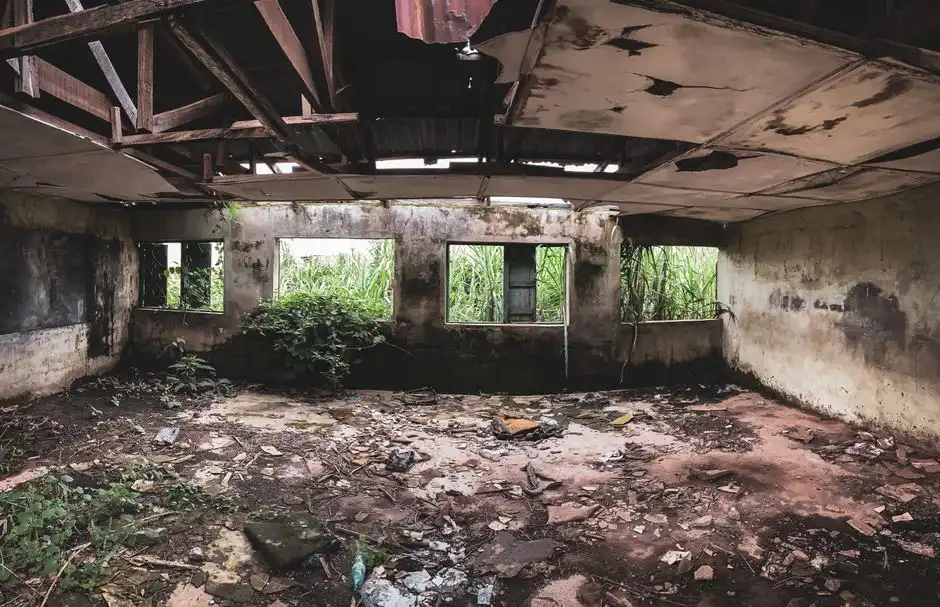
The first signs of hidden water damage in a Show low home are a musty odor that won't clear, paint that bubbles or peels without reason, and a water bill that climbs while your usage stays flat. Those three clues show up long before a ceiling sags or a floor feels spongy. Hidden water damage is moisture trapped inside walls, under floors, or beneath a slab that you cannot see and often cannot smell until mold has already started. We're going to walk through the specific warnings we look for on calls across the White Mountains, how to check a few of them yourself, and when it's time to bring in a pro.
Why Hidden Water Damage Is Common in Show low Homes
Show low sits at about 6,300 feet, and that elevation drives everything. We get hard freezes from roughly late October into April, and the temperature swings between a 60-degree afternoon and a 20-degree night are brutal on plumbing. Water expands when it freezes, and a copper supply line or a plastic PEX fitting that survives one winter may split on the next. That split doesn't always announce itself with a burst and a flood. Often it's a pinhole that drips inside a wall cavity for weeks.
Our housing stock matters too. Plenty of homes around Show low, Lakeside, and the surrounding communities were built in the 1970s and 1980s with galvanized steel supply lines. Galvanized pipe corrodes from the inside out. By the time you see rust-colored water, the pipe wall may be paper-thin and weeping into the framing. Newer construction isn't immune either. We see failed supply lines behind washing machines, leaking ice maker lines, and shower pan failures in homes less than fifteen years old.
Then there's the monsoon. From July through September, afternoon storms can drop an inch of rain in under an hour. That water finds every gap in flashing, window seals, and roof underlayment. It soaks into wall cavities and sits there. If you've ever dealt with a roof leak after a monsoon, you know how fast a small intrusion turns into stained drywall and a smell you can't place. For homeowners who want the full picture of what we handle, our water damage restoration in Show low services cover everything from extraction to structural drying.
What Are the First Signs of Hidden Water Damage in a Show low Home?
The earliest signs of hidden water damage in a Show low home are almost always sensory before they're visual. You smell something damp and earthy. You hear a faint drip when the house is quiet. You notice a baseboard that's slightly cooler than the wall above it. Here's what we tell homeowners to watch for.
- Musty, earthy odor that lingers in one room, a closet, or under a cabinet. That smell is mold and mildew feeding on wet drywall, insulation, or wood.
- Paint or wallpaper that bubbles, peels, or blisters on a wall or ceiling. Moisture is pushing from behind.
- Discolored patches - yellow, brown, or copper-colored rings on ceilings and walls. Even a faint outline means water has been sitting there.
- Soft or spongy spots in flooring, especially near toilets, tubs, dishwashers, and water heaters.
- A water bill that jumps 10% or more with no change in how many people are living in the house.
- Running toilet or dripping faucet you've been ignoring. A single running toilet can waste 200 gallons a day.
One of these alone might be nothing. Two or three together almost always means moisture is trapped somewhere it shouldn't be. We've walked into homes in Show low where the only complaint was a smell in the hallway, and we found saturated subfloor under a bathroom tile that looked perfectly fine from above.
How Do I Know If Water Is Leaking Behind My Walls in Show low?
You know water is leaking behind your walls in Show low when the drywall feels cool or soft to the touch, the baseboard separates from the wall, or you see a faint stain spreading from a corner or seam. Here's how to check without tearing anything open.
- Press the wall. Run your palm along the lower two feet of any wall that shares a bathroom, kitchen, or laundry room. A healthy wall is firm and room-temperature. A leaking wall feels cool, damp, or slightly soft.
- Check the baseboards. Look for gaps where the baseboard meets the floor, or paint that's cracking along the caulk line. Water wicks up and pushes the trim away.
- Smell the outlets. Sounds odd, but a musty odor coming from an electrical outlet on an interior wall is a strong signal. The wall cavity is venting moisture through the box.
- Watch the water meter. Turn off every fixture in the house, then check the meter. If the dial is still moving, you have a leak somewhere in the system.
- Look at the ceiling below. If a bathroom sits above a hallway or closet, check that ceiling for faint rings or a texture that looks different from the rest.
If you find one of these, don't wait. A slow leak behind a wall can saturate insulation and framing in a week. Once wood stays wet past 48 hours, mold colonization begins. We handle water damage cleanup Show low homeowners call us for every week, and the difference between a two-day dry-out and a full reconstruction often comes down to how fast someone picks up the phone.
Warning Signs of a Slab Leak in Show low
The warning signs of a slab leak in Show low are a hot spot on the floor, the sound of running water when nothing is on, and cracks in tile or drywall that appear suddenly. Slab leaks are the hardest to spot because the pipe is buried under concrete. We see them most often in homes built before 1990 with copper lines running through the slab.
Here's what to watch for:
- A warm spot on the floor. If you have a hot-water line under the slab, a leak will heat the concrete. Bare feet find it before instruments do.
- The sound of water running when every faucet, appliance, and toilet is off. Put your ear to the floor near a bathroom or kitchen.
- Unexplained cracks in tile, grout, or drywall that appear over a few weeks. Moisture under the slab can shift the foundation slightly.
- Damp carpet or flooring that never fully dries, even with fans running.
- A water bill that doubles without explanation. A slab leak can lose thousands of gallons a month.
Slab leaks don't fix themselves, and they don't stay small. We use acoustic listening equipment and thermal imaging to pinpoint the break before we cut anything. If the line has already caused burst pipe water damage repair Show low residents need, we handle the repair and the drying in one visit.
Hidden Water Damage Under Floors in Show low
Hidden water damage under floors in Show low usually starts at a fixture, not in the middle of a room. The dishwasher, refrigerator ice maker, washing machine, and toilet supply lines are the four most common culprits we find. Each one can drip for months without showing anything on the surface.
What to look for:
- Flooring that feels soft, spongy, or uneven near an appliance or bathroom.
- Tile that pops loose or grout that crumbles. The thinset has lost its bond because the subfloor is wet.
- Laminate or vinyl that cups or peels at the seams. Water wicks up from below.
- A musty smell that's strongest near the floor. Get on your hands and knees and sniff near the base of the dishwasher or fridge.
- Visible mold along the toe kick or where the floor meets the wall.
We pull the appliance, cut back the wet flooring, and dry the subfloor before we replace anything. If mold has already taken hold, we bring in mold remediation Show low equipment and containment to clear it safely. Skipping that step is how a small leak turns into a health problem and a much bigger repair bill.
Common Mistakes Homeowners Make With Hidden Leaks
The biggest mistake we see is waiting for visible damage before calling anyone. By the time a ceiling sags or a floor gives way, the moisture has been there for weeks. Here are the others.
- Assuming a small stain is old. If you can't remember when it appeared, it's new enough to investigate.
- Running a fan and calling it fixed. A box fan moves air. It doesn't dry a wall cavity or a subfloor. Trapped moisture stays trapped.
- Painting over the stain. Kilz and paint hide the evidence, not the water. The leak continues behind the fresh coat.
- Ignoring a musty smell because no one in the house has allergies. Mold doesn't need a reaction to cause structural damage.
- Shutting off the water and doing nothing else. Stopping the source is step one. Drying the structure is step two, and it's the step most people skip.
We also see homeowners try to dry things out with a shop vac and a dehumidifier from the hardware store. Those tools help with surface moisture. They don't reach inside a wall or under a slab. Professional drying uses calibrated air movers and refrigerant or desiccant dehumidifiers sized to the cubic footage of the affected area.
When to Call a Professional
Call a professional when you've found two or more of the signs above, when the water source is behind a wall or under a slab, or when the affected area is larger than a few square feet. If you smell mold, see visible mold, or the moisture has been present for more than 48 hours, don't try to handle it yourself.
Our team at Dry Crew Pros handles the whole job. We find the leak, stop it, extract standing water, dry the structure, and verify with moisture meters that everything is back to normal before we close up. We work with your insurance adjuster and document everything with photos and moisture readings. If you're in Water damage restoration in Lakeside or anywhere in the White Mountains, we can be on-site the same day in most cases.
Frequently Asked Questions
What are the first signs of hidden water damage in a Show low home?
A musty odor, paint that bubbles or peels, and a water bill that rises 10% or more without explanation. These show up before visible stains or soft floors. If you notice two or more together, have the area checked within 48 hours.
How do I know if water is leaking behind my walls in Show low?
Press the lower wall for cool or soft spots, check baseboards for gaps or cracked caulk, and smell outlets for mustiness. Turn off all fixtures and watch your water meter - if it still moves, you have a leak. A pro with thermal imaging can confirm it without demolition.
Can hidden water damage cause mold in Show low homes?
Yes. Mold can begin colonizing wet drywall, insulation, and wood within 24 to 48 hours. In Show low's dry climate, mold grows slower than in humid regions, but it still thrives inside wall cavities where moisture stays trapped. Visible mold usually means the leak has been active for weeks.
Does homeowners insurance cover hidden water damage in Show low?
Most policies cover sudden and accidental water damage, like a burst pipe, but exclude long-term seepage or neglect. Hidden leaks are often disputed because the insurer may argue you should have caught it sooner. Document everything and call a restoration pro who works with adjusters.
How much does it cost to fix hidden water damage in Show low?
Typical 2026 pricing in this area runs $1,200 to $3,500 for a contained leak with drying and minor repairs. Slab leaks or damage spanning multiple rooms can run $5,000 to $12,000 or more. Early detection is the single biggest factor in keeping the cost down.
Get Help With Water Damage Restoration in Show low
If you've spotted any of these signs, don't wait for the damage to get worse. Our team finds the source, dries the structure, and handles repairs so you can get back to normal. Call Dry Crew Pros at (555)123-45678 for same-day service across Show low, Lakeside, and Snowflake.