For homes
We handle water in houses, apartments, and rentals across Show low. You get a walk-through, a drying plan, and daily readings until the structure is dry.
- Burst supply lines
- Flooded basements
- Appliance overflows
When water is standing in your hallway at 2 a.m., you need flood cleanup in Show low that starts now, not Monday. Dry Crew Pros pulls the water, dries the structure, and documents everything for your claim. We handle flooded basements, burst pipes, sewage backups, and storm water intrusion across Show low and Navajo County, Arizona. One call and we are on the way.
 Map moisture firstExtract standing waterDry to readings
Every flood cleanup job in Show low includes the core work: emergency response, water extraction, structural drying, moisture monitoring, and documentation for your insurance claim. What changes job to job is how much demolition is needed and how long drying takes. Here is what is standard on our scopes.
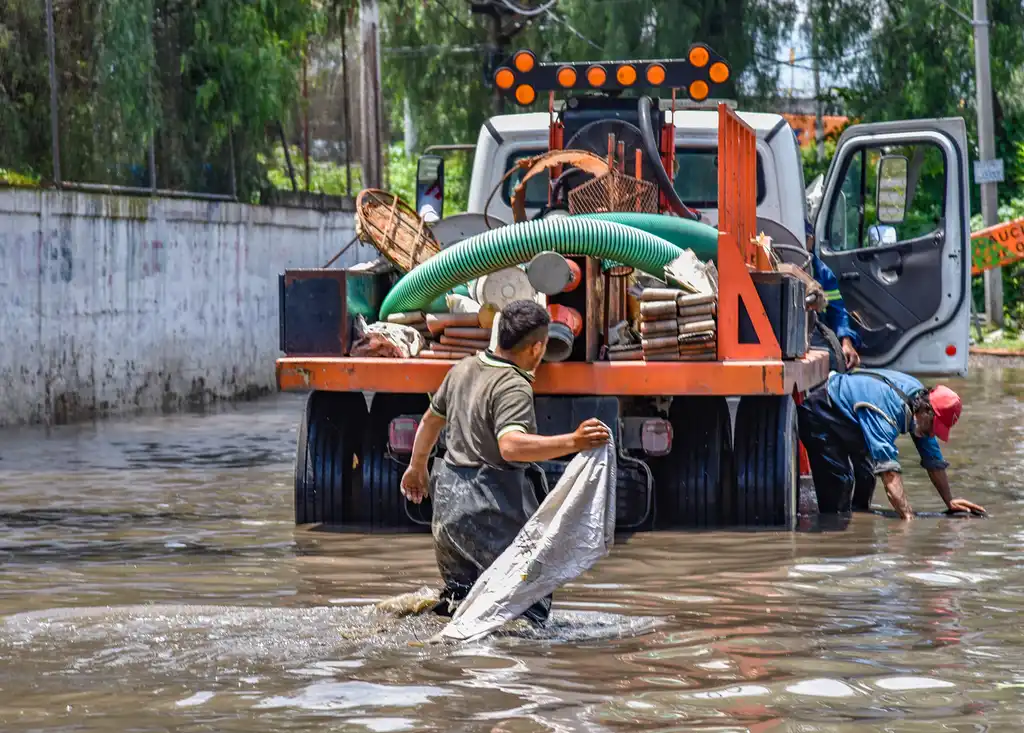
Truck-mounted extraction pulls standing water from carpet, hardwood, tile, and concrete. We use a water extraction vacuum on the surface and weighted extraction on carpet to pull water from the pad and subfloor beneath.
We place air movers and dehumidifiers sized to the affected cubic footage, then reposition them as drying progresses. Drying mats go down on hardwood flooring to pull moisture out without cupping the boards.
A technician checks every affected area with a moisture meter and hygrometer each day and logs the readings. You get the numbers, and we do not pull equipment until they meet the dry standard for that material.
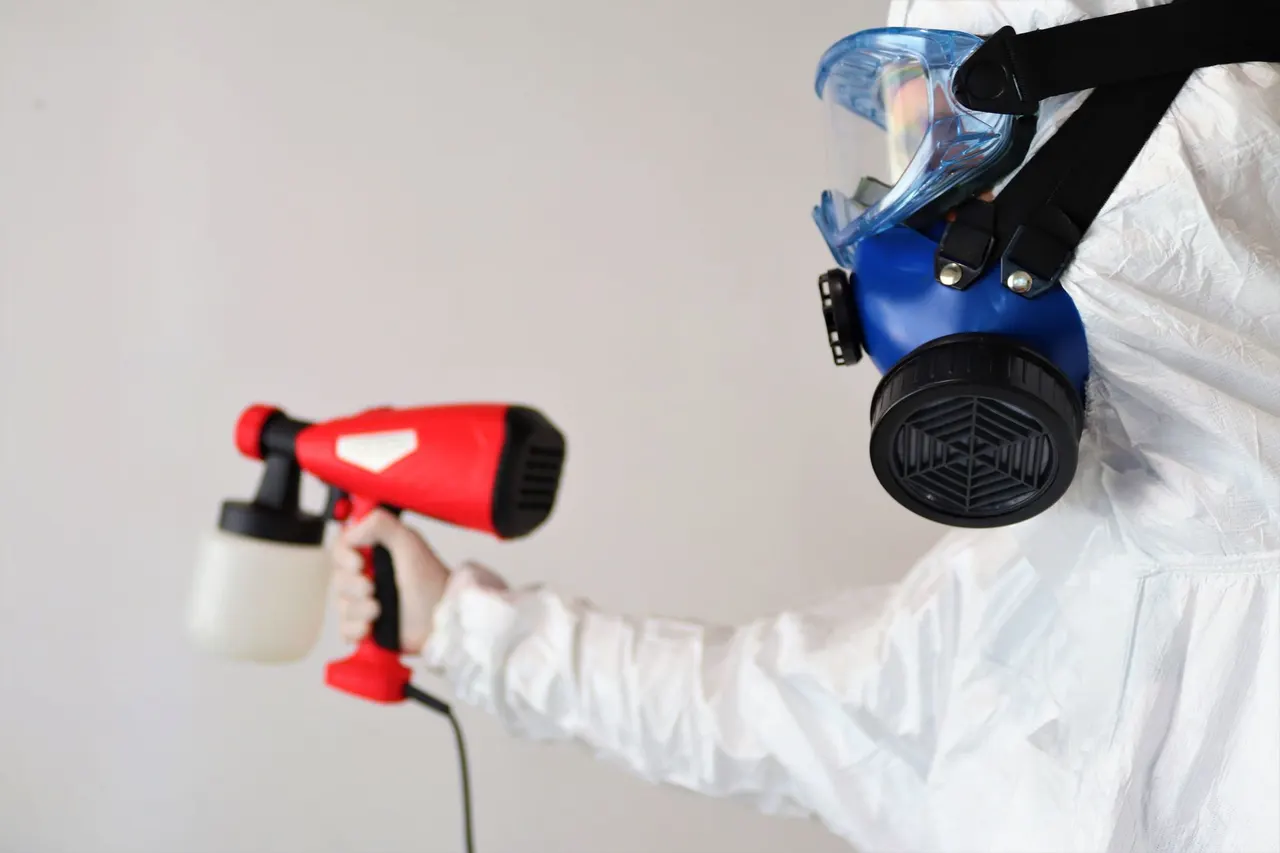
After extraction we apply an antimicrobial solution to affected framing, baseboards, and wall cavities. It is a preventive step that buys you time and stops mold growth from starting in the first 48 hours.
Photos, moisture maps, and an Xactimate scope go into a report you can send straight to your carrier. We document affected materials by square footage so nothing gets left out of the claim.
Before we leave, we re-check every reading against the dry standard and photograph the results. You get a completion report showing the structure is dry, which matters if you sell the home or file a future claim.
The approach is the same for a home and a business. What changes is the access, the schedule and who needs the paperwork.
We handle water in houses, apartments, and rentals across Show low. You get a walk-through, a drying plan, and daily readings until the structure is dry.
We work with property managers and business owners on water losses that affect operations. We schedule around your hours and document the loss for your carrier.
A plain-language look at what Flood Cleanup involves and when it is needed.
See how it worksFlood cleanup in Show low is the process of removing standing water, extracting saturated materials, and drying a building back to its pre-loss moisture content before mold takes hold. It is not a shop vac and a box fan. We start with a moisture meter and a thermal imaging camera to map how far the water traveled, then pull it with truck-mounted extraction equipment. From there we set air movers and dehumidifiers, check readings daily with a hygrometer, and only close the job when the numbers say dry.
Most of our Show low calls come from the same handful of failures: a burst pipe behind a cabinet, a slab leak you never saw, a roof leak after monsoon rain, or an appliance overflow that soaked the carpet padding overnight. Water wicks into drywall, baseboards, and plywood subfloor faster than most people expect. If you are searching for flood cleanup in Show low near me while water is still spreading, call us at (555)123-45678 and we will walk you through shutting off the source before we arrive.
Water comes out fast, but drying is a measured process that ends when the readings say dry.
You should know exactly what happens from the first phone call to the final reading. Here is the five-step process we run on every flood cleanup job in Show low, whether it is a small appliance overflow or a whole-floor storm water intrusion.
Call (555)123-45678 and we start triage on the phone: where the water is coming from, whether it is still running, and whether the power is safe. We tell you how to shut off the supply line or gas if needed, and we give you a real arrival window. No call center, no runaround.
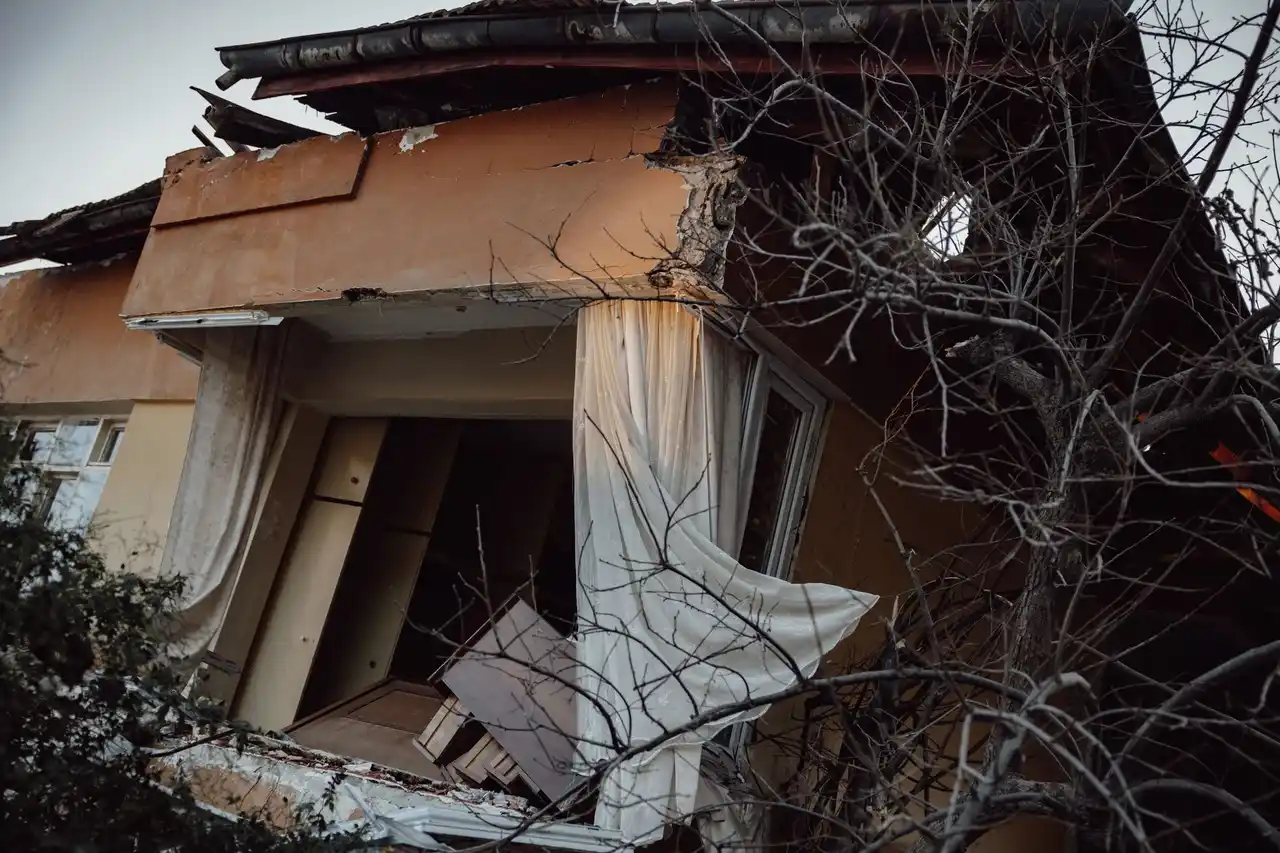
On arrival we walk the space with you, then map moisture with a moisture meter, thermal imaging camera, and boroscope to check inside wall cavities. This takes 30 to 60 minutes on a typical home and tells us exactly how far the water traveled before we move a single piece of furniture.
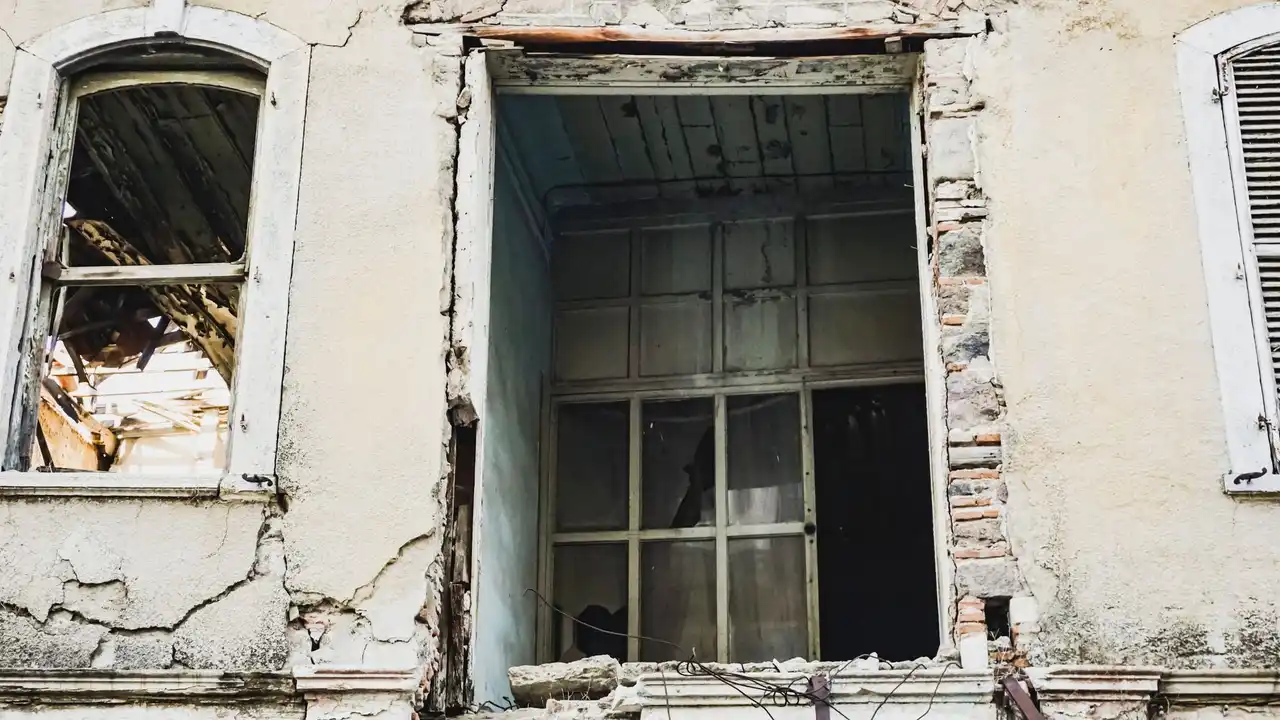
We pull standing water with a water extraction vacuum, then remove materials that cannot be saved, like saturated carpet padding and swollen baseboards. Salvageable hardwood flooring and drywall get dried in place when the readings say they can be. Most extractions run two to four hours.
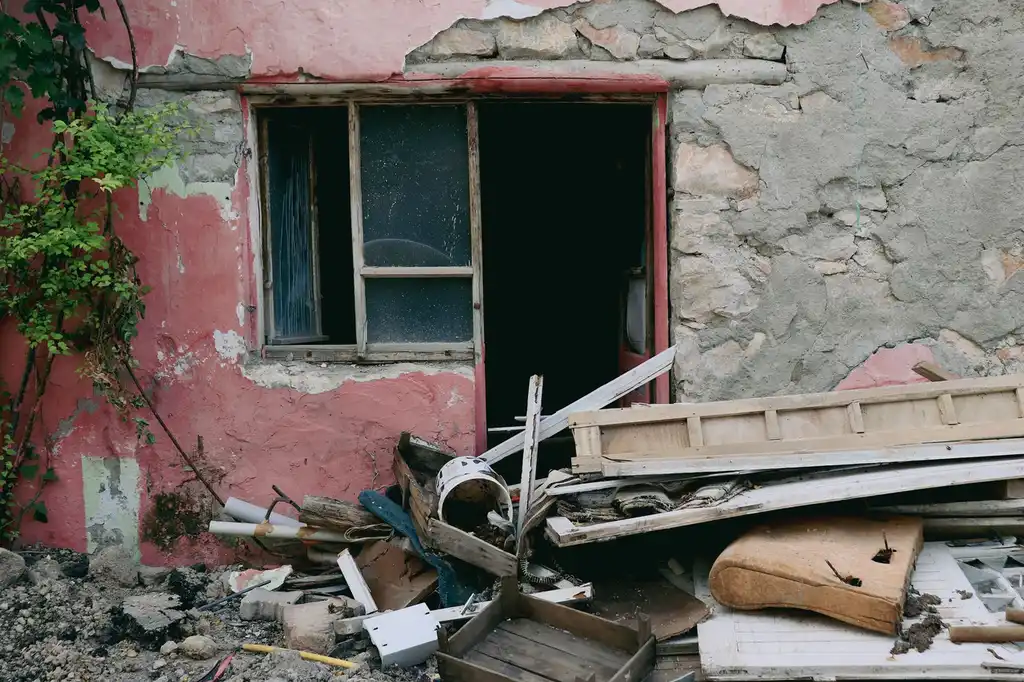
We set air movers and dehumidifiers sized to the cubic footage of the affected area, then check readings every 24 hours. A typical Show low job dries in three to five days. You get a daily update and a clear answer on when equipment comes out.
Before we pull the last dehumidifier, we compare every reading against the dry standard for that material and document it with photos. You get a completion report you can hand straight to your adjuster. If anything is still wet, the equipment stays and we keep going.
Move across a circle, or focus it and press Enter, for an illustrative thermal view of the photograph.
Measures moisture content in drywall, wood, and concrete, and tracks relative humidity in the air so we know when drying is actually complete.
Finds hidden water behind walls and under floors by reading temperature differences, so we do not miss a wet cavity that looks dry on the surface.
Lets us look inside wall cavities and under cabinets without cutting open drywall, confirming whether framing is wet before we decide on demolition.
High-velocity air movers evaporate moisture from surfaces and push it into the air where dehumidifiers can capture it.
Pulls moisture out of the air and holds the space at a low grain per pound reading so drying moves forward instead of stalling.
Thermal views are illustrative, generated from the photographs.
Removes hundreds of gallons per hour from carpet and hard surfaces, cutting drying time and limiting how far water wicks.
We follow the IICRC S500 standard for water damage restoration, which sets the dry standards, equipment sizing, and monitoring intervals for each material class. It is the benchmark adjusters recognize.
Our scopes are written in Xactimate, the estimating platform most carriers use. Line items match the pricing your adjuster already works with, which reduces back-and-forth and speeds approval.
When water gets inside a wall, we dry the cavity with directed airflow instead of cutting out drywall. That saves the wall, the paint, and the cost of a rebuild.
After extraction and before drying, we apply an antimicrobial solution to affected framing and wall cavities to stop mold growth from starting during the drying window.
A water heater in the garage let go overnight and there is an inch of water across the concrete and into the hallway carpet.
We extract the standing water, pull the soaked carpet padding, and set drying equipment on the concrete and into the hallway. A moisture meter confirms the slab is dry before we pull anything.
Outcome: Water gone the same day, carpet dried and re-stretched, and a documented scope for the water heater replacement claim.
Monsoon rain pushed water under a sliding door and soaked the living room carpet and baseboards.
Our team extracts the carpet, removes swollen baseboards, and dries the wall cavity with cavity drying equipment. We check the exterior door threshold for the entry point and note it in the report.
Outcome: Carpet saved, baseboards replaced, and readings dry in four days instead of a full floor replacement.
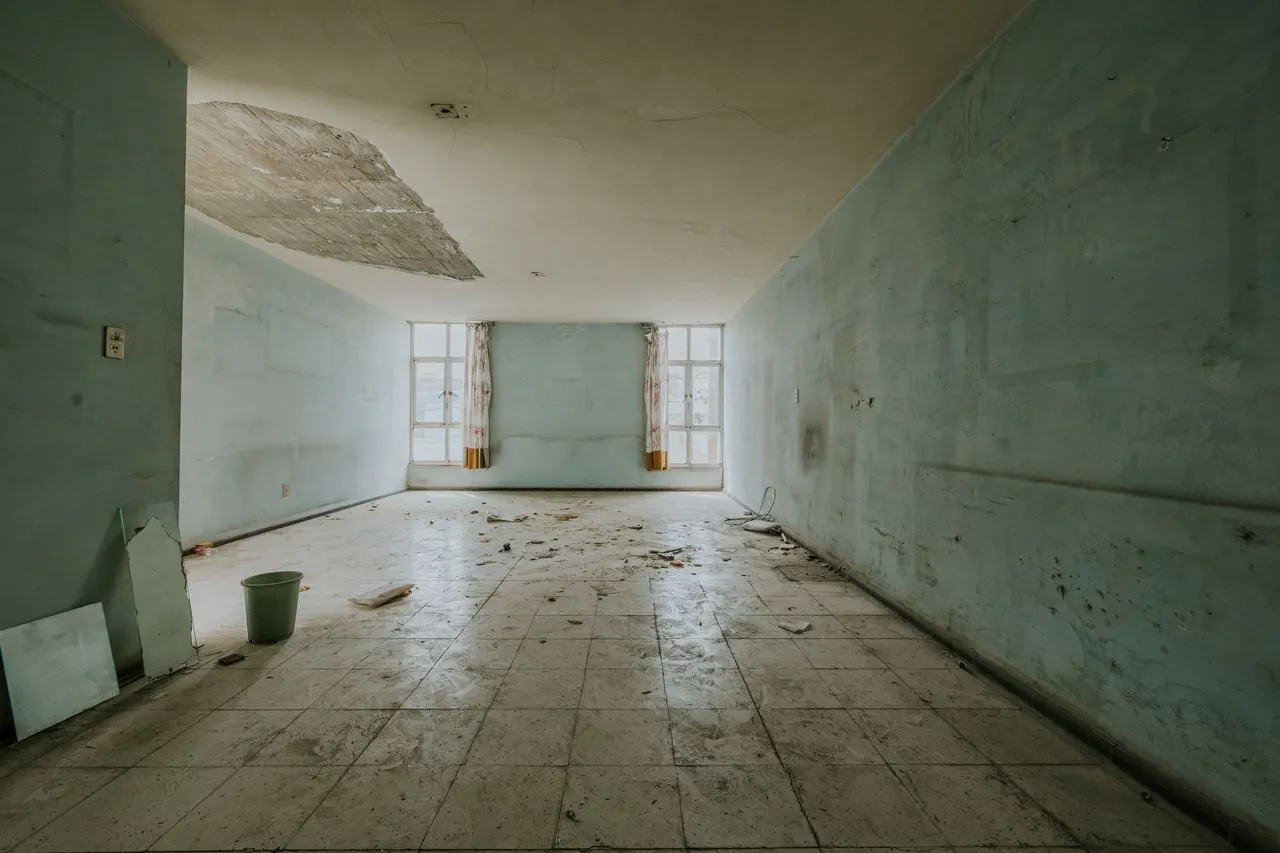
A slab leak under the kitchen floor went unnoticed for a week and now the hardwood is cupping.
We map the moisture with a thermal imaging camera, place drying mats on the hardwood, and run dehumidifiers to pull moisture from the boards and subfloor. We coordinate with a plumber to fix the slab leak.
Outcome: Hardwood dried in place and saved, avoiding a full floor tear-out and the cost that comes with it.
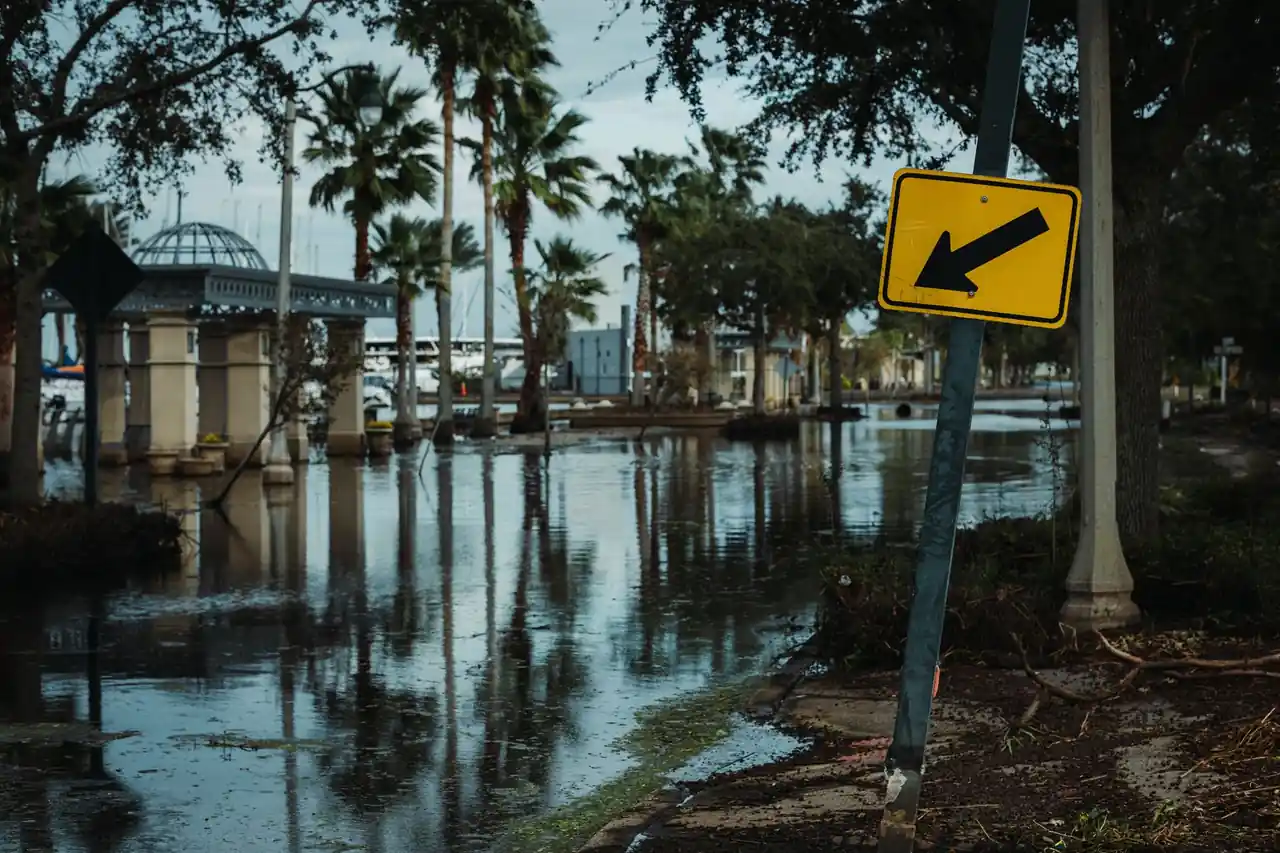
A washing machine supply line failed while the family was out of town for the weekend.
We handle the flooded basement water extraction in Show low, remove saturated drywall and insulation, and dry the framing. Photos and moisture maps go into the claim file the same day.
Outcome: Structure dried to standard in five days, with a documented scope the adjuster approved without a second visit.
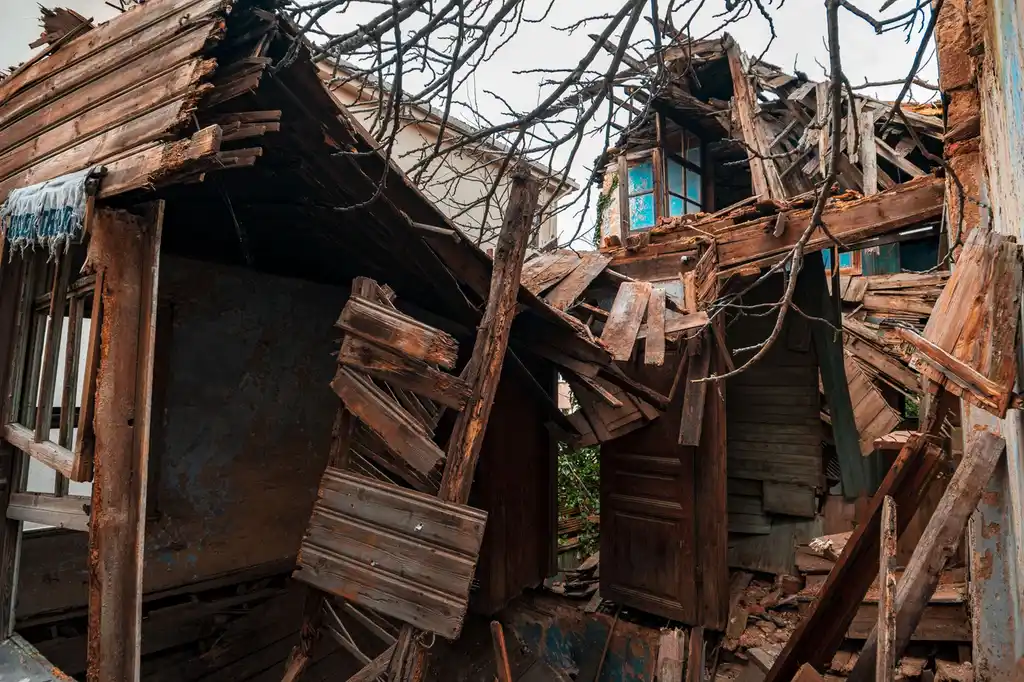
Show low sits at about 6,300 feet in the White Mountains, and that elevation changes how water damage plays out here. Winter freezes hit hard, and burst pipe calls spike when temperatures drop into the teens overnight. Summer monsoon storms drop heavy rain in short windows, and roof leaks and storm water intrusion follow within days. Much of the housing stock is slab-on-grade, so water spreads across a single level fast and has nowhere to drain. Older cabins around the area often have crawl spaces that hold moisture long after the visible water is gone.
Before: A supply line under the sink failed overnight and put an inch of water across the kitchen tile and into the hallway carpet. The cabinet toe kick was soaked and the carpet padding was saturated.
After: We extracted the standing water, pulled the wet padding, and set air movers and a dehumidifier. Four days of readings later, the tile, subfloor, and carpet were dry to standard. The homeowner replaced only the padding, not the carpet.
Check supply lines under sinks twice a year and replace braided lines every five years.
Before: A roof leak during an August storm soaked attic insulation and stained the ceiling drywall in a rental unit. The tenant noticed the smell before the stain showed up.
After: We removed the wet insulation, dried the ceiling framing with directed airflow, and documented the affected area with photos and moisture maps. The ceiling was dry in three days and the repair scope went to the carrier the same week.
Have the roof inspected each spring before monsoon season. Small flashing failures are the most common source of these leaks.
Before: A pipe in an unheated crawl space split during a January freeze and ran for hours before anyone noticed. Water pooled under the floor and soaked the plywood subfloor.
After: We extracted the standing water, set cavity drying equipment under the floor, and ran dehumidifiers for five days. The subfloor dried in place and the pipe was repaired and insulated before we left.
Insulate exposed pipes in crawl spaces and leave cabinet doors open during hard freezes.
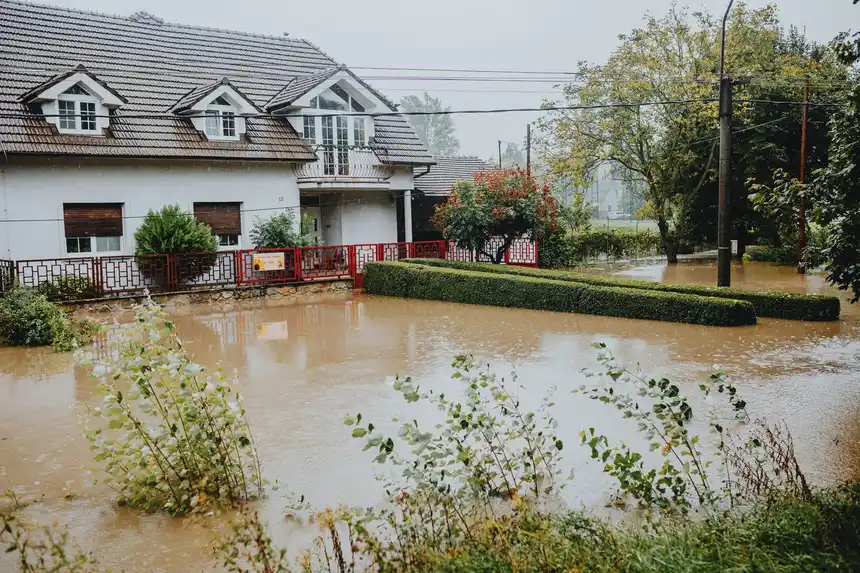
Water finds the path of least resistance, and that path is usually through your floors, walls, and insulation. Here are the flood problems we get called for most often around Show low, and what happens if they sit.
A dry structure, documented readings, and a claim file that holds up.
Our truck-mounted extraction units pull hundreds of gallons an hour out of carpet, pad, and subfloor. On a typical Show low flooded basement cleanup, we have standing water gone the same day you call, which cuts drying time and stops moisture from climbing the walls.
We do not guess. Every job gets daily moisture meter and hygrometer readings, logged against the dry standard for your materials. You see the numbers drop day by day, and we do not pull equipment until the structure is actually dry, not just dry to the touch.
We photograph affected materials, sketch the affected area, and write our scope in Xactimate, the same estimating platform most carriers use. That means fewer back-and-forth questions on your flood damage restoration Show low claim and a faster path to approval.
We apply an antimicrobial solution to affected framing and wall cavities after extraction. Combined with fast structural drying, that is what keeps black mold growth from turning a two-day cleanup into a two-week remediation project.
What a written scope covers and what shapes it. Prices are set by the business after the first look.
Included
Depends on
Clear records you can keep and share.
Daily readings for every affected area
Before, during, and after documentation
Itemized affected materials and quantities
Final readings against dry standard
The category of water in your home decides what can be dried and what has to be removed.
Clean water from a supply line or rain
Gray water with some contamination
Black water from sewage or ground flooding
A list like this tells people straight away whether you cover their street. Not listed? Call and ask: it only takes a minute.
A small appliance overflow with carpet extraction often lands near the low end. A flooded basement with sewage backup and drywall removal sits at the top. We give you the number before work starts.
Most homeowners policies cover sudden and accidental water damage, like a burst pipe or appliance failure, but not rising groundwater, which needs a separate flood policy. We document the loss with photos, moisture readings, and an Xactimate scope so your adjuster has what they need. We can also talk through the claim process with you directly.
Extraction usually takes two to four hours. Structural drying runs three to five days for most homes, and longer if water reached the subfloor or wall cavities. We check readings every 24 hours and give you a realistic completion date after the first inspection, not a guess made over the phone.
Sometimes. Carpet can often be dried and saved if the water was clean and we get to it within 24 to 48 hours, but the padding almost always comes out. Drywall can be dried in place if the water did not wick above the baseboard line. Category 3 water, like sewage backup, means those materials get removed.
Other services from the same team.
Water spreads while you wait, and mold follows within 48 hours. Call Dry Crew Pros at (555)123-45678 and we will dispatch a crew with extraction and drying equipment. We serve Show low, Lakeside, Snowflake, and the rest of Navajo County, Arizona.
Call us any time, day or night, for water damage restoration in Show low. We answer the phone, ask what happened, and get a crew moving. If you prefer to write, send us the details and we will get back to you quickly.