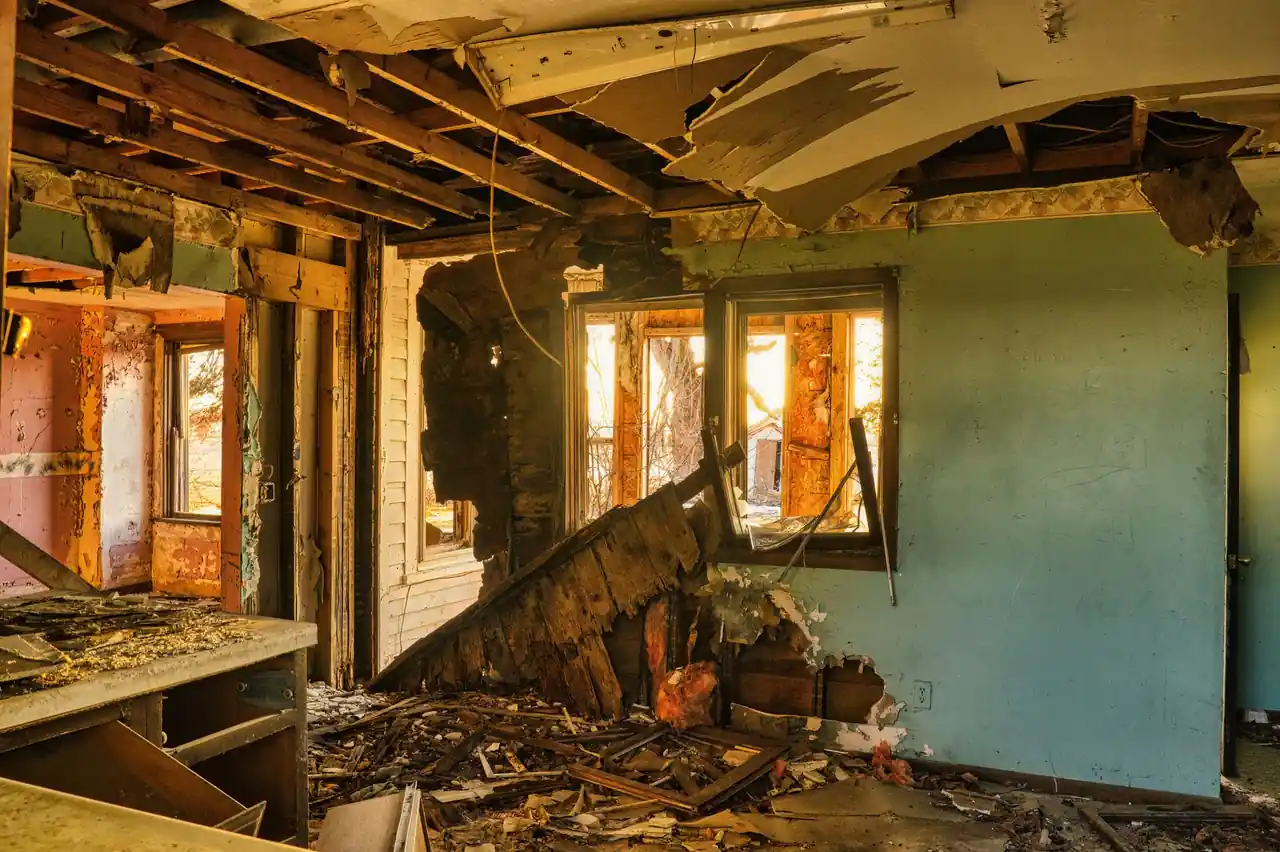
For homes
A burst line in your house is a plumbing problem and a drying problem at the same time. We handle both on one visit so nothing sits wet.
- Frozen line behind a wall
- Slab leak under flooring
- Hose bib split after freeze
When a pipe lets go in your Show low home, every minute puts more water into drywall, insulation and subfloor. We handle burst pipe repair in Show low start to finish: shut the water down, cut out the failed section, rebuild the line and dry the structure with commercial air movers and dehumidifiers. One crew, one call, no runaround.
 Shutoff firstExtraction same visitMoisture logged daily
Every job is different, but a standard burst pipe repair in Show low covers the emergency response, the pipe itself, and the drying that follows. Here is what we handle on a typical call, and what we price separately when the damage goes beyond the line.
We locate and close the main supply, confirm the line is depressurized, and check for any secondary leaks the break may have caused. If your shutoff valve is seized, we can replace it while we are there so the next emergency is a five-second job.
Thermal imaging camera and moisture meter trace where the water actually went, not just where it came out. On slab lines we use an inspection camera to confirm the break point before we open anything, which keeps the demo footprint small.
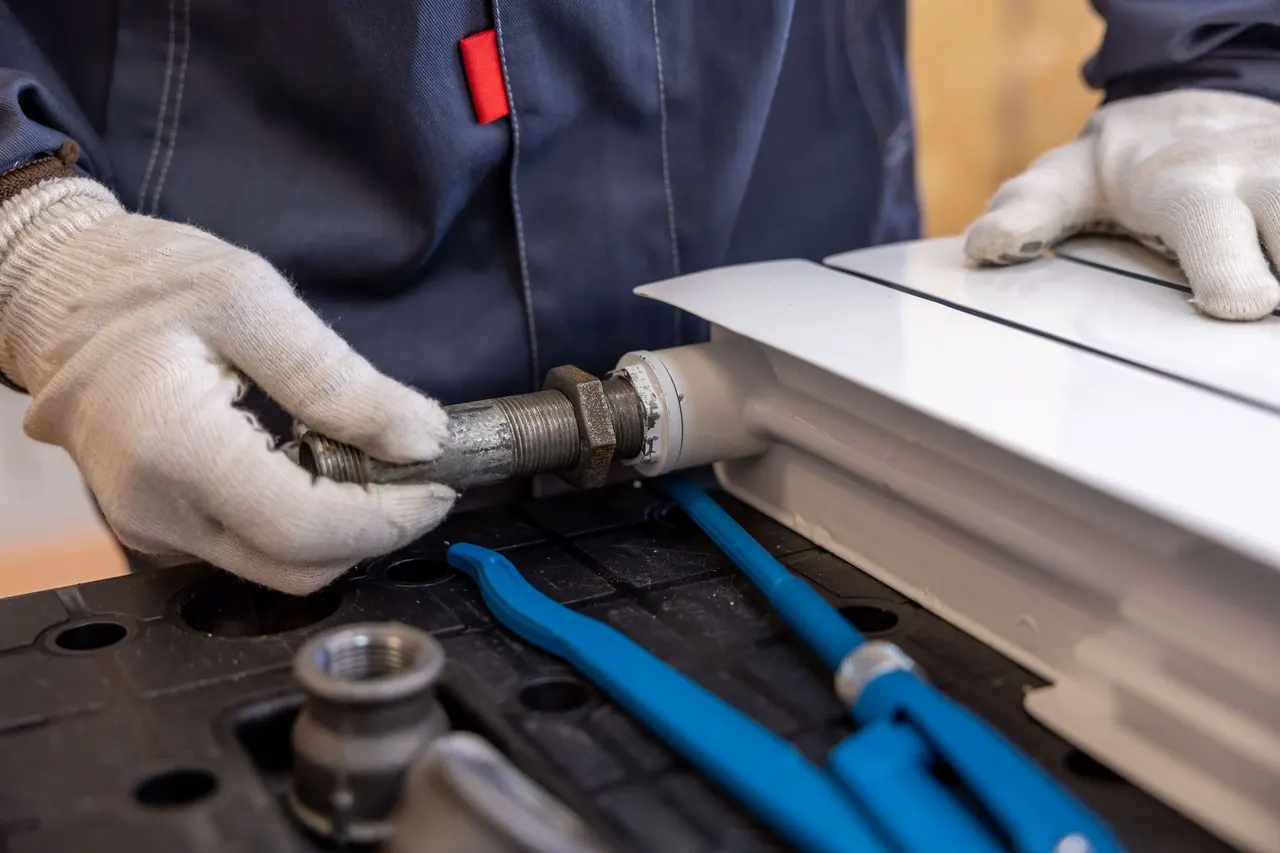
We cut out the failed section and rebuild it in copper or PVC to match the existing line. Joints are soldered or glued, then the line is pressure-tested before the water goes back on. No patch jobs that fail again in six months.
Standing water comes out with a water extraction vacuum. We set Dri-Eaz air movers and a Phoenix dehumidifier, check readings daily with a hygrometer, and treat affected framing with antimicrobial solution before we close anything up.
Photos of the break, moisture readings before and after, and a written scope in Xactimate. You get a file you can hand straight to your adjuster, and we are available to answer their questions if they call.
The approach is the same for a home and a business. What changes is the access, the schedule and who needs the paperwork.
A burst line in your house is a plumbing problem and a drying problem at the same time. We handle both on one visit so nothing sits wet.
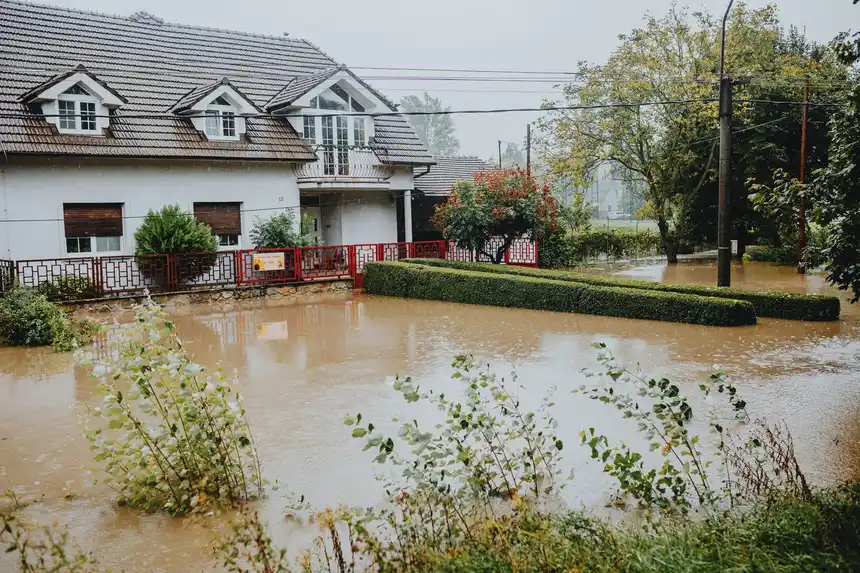
A burst line in a commercial building can shut down operations and ruin inventory. We work around your hours and document everything for your carrier.
A plain-language look at what Burst Pipe Repair involves and when it is needed.
See how it worksBurst pipe repair in Show low is the emergency trade of stopping an active water line failure, replacing the failed section of pipe and drying the structure it soaked. We cut out the split copper or cracked PVC, sweat or glue in a new section, pressure-test the line, then pull standing water with a water extraction vacuum and set Dri-Eaz air movers and dehumidifiers to dry the cavity. A moisture meter and thermal imaging camera tell us exactly where the water traveled behind the drywall.
Most calls we run here start the same way: a supply line behind a vanity lets go overnight, a hose bib splits after a hard freeze, or a slab line finally gives out under hardwood flooring. Water wicks into carpet padding, baseboards and plywood subfloor within hours, and hidden wall moisture turns into black mold growth in as little as 48 to 72 hours. That is why we treat emergency broken pipe repair in Show low as both a plumbing job and a drying job.
A burst pipe is two jobs: stop the water and dry what it soaked.
Five steps, from the first call to a dry, tested line. You will know what is happening at each stage and what it costs before we start cutting.
You call, we ask three questions: where is the water, is the main shut off, and is anyone without heat or power. We walk you through shutting the supply valve if you have not already. A crew is dispatched with extraction equipment loaded, usually arriving within 60 to 90 minutes inside Show low.
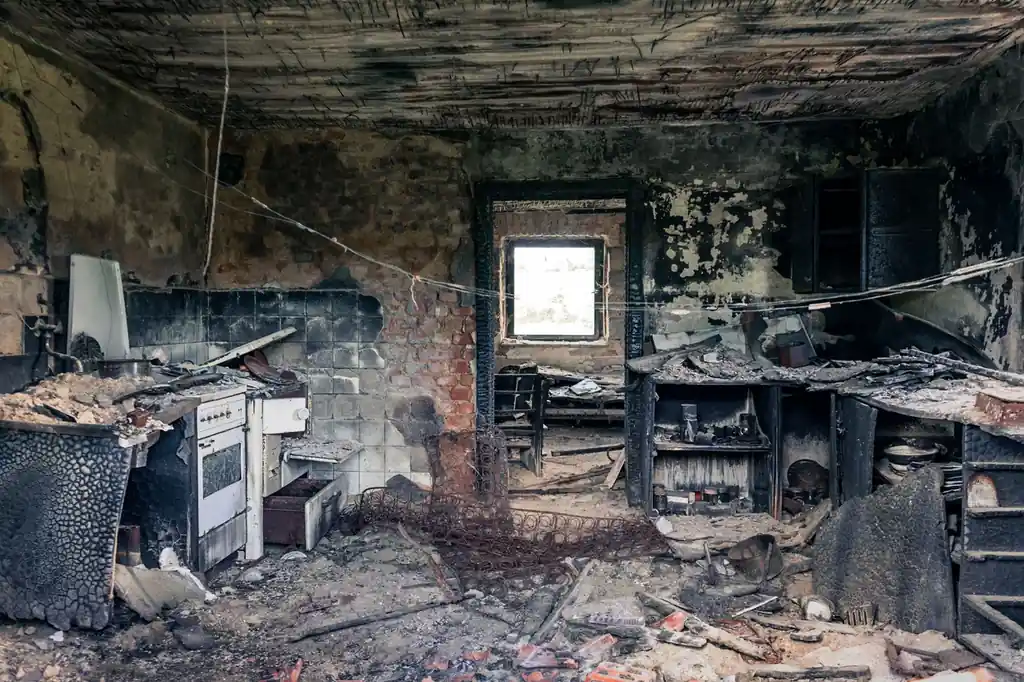
We confirm the main is closed, then trace the break with a thermal imaging camera and moisture meter. An inspection camera or boroscope goes into wall cavities where we cannot see. You get a plain explanation of what failed, what is wet, and what the repair involves before any demo starts.
Standing water comes out first with a water extraction vacuum. We pull saturated carpet padding, check baseboards for wicking and set Dri-Eaz air movers and Phoenix dehumidifiers to start drying the cavity. This stage usually runs two to four hours on a typical residential loss.
We cut out the failed section and rebuild it in copper or PVC to match the existing line. Joints are soldered or glued, then the line is pressure-tested before the water goes back on. Most residential repairs take one to three hours once the wall is open.
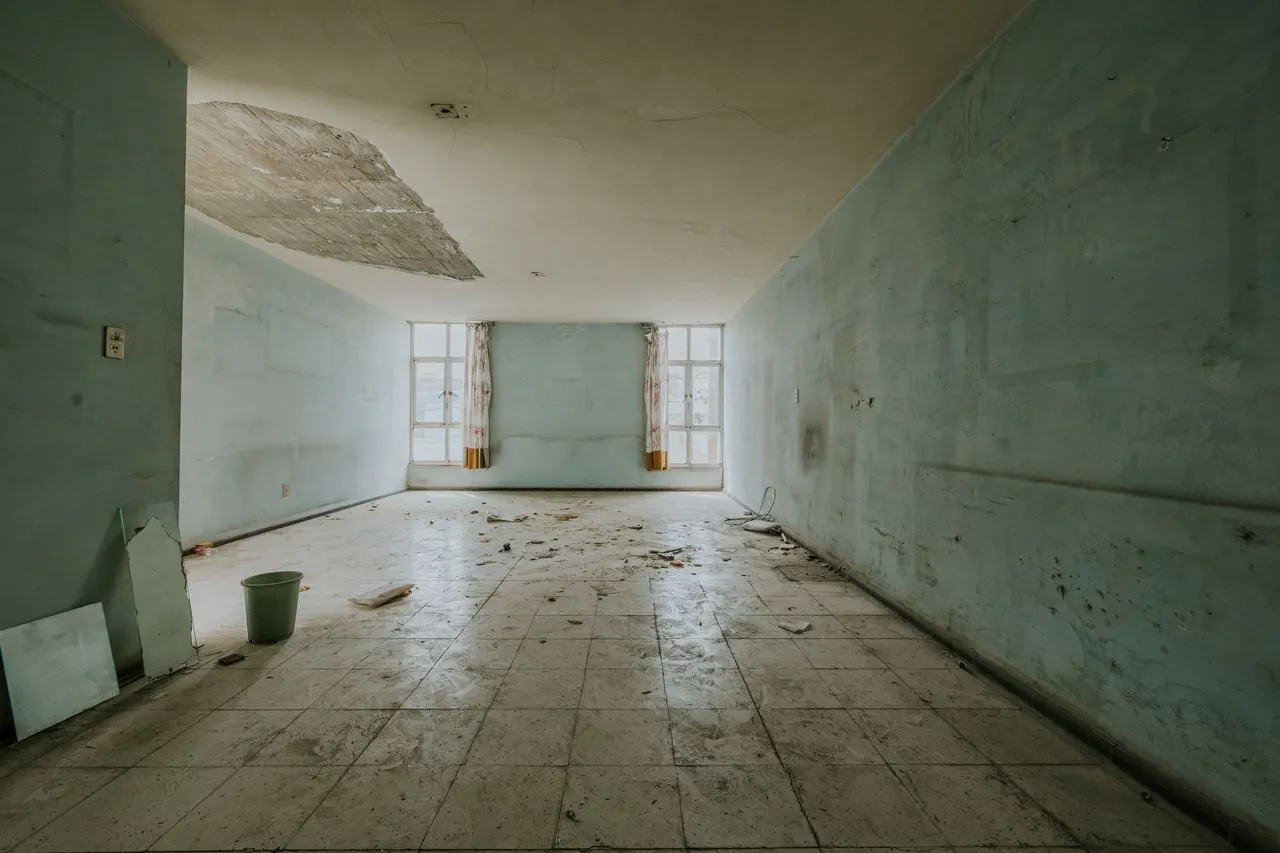
Air movers and dehumidifiers keep running until readings match a dry standard, usually two to four days. We check daily with a hygrometer, treat affected framing with antimicrobial solution, and hand you a moisture log showing the dry-down. Then we close up and you get your house back.
Move across a circle, or focus it and press Enter, for an illustrative thermal view of the photograph.
Finds temperature differences behind drywall and under flooring to locate the break and map how far the water traveled without opening everything up.
Reads moisture content in drywall, framing and subfloor, and tracks the dry-down day by day so we know when the structure is actually dry.
Move air across wet surfaces and pull moisture out of the air. This is what dries a wall cavity in two to four days instead of letting it sit.
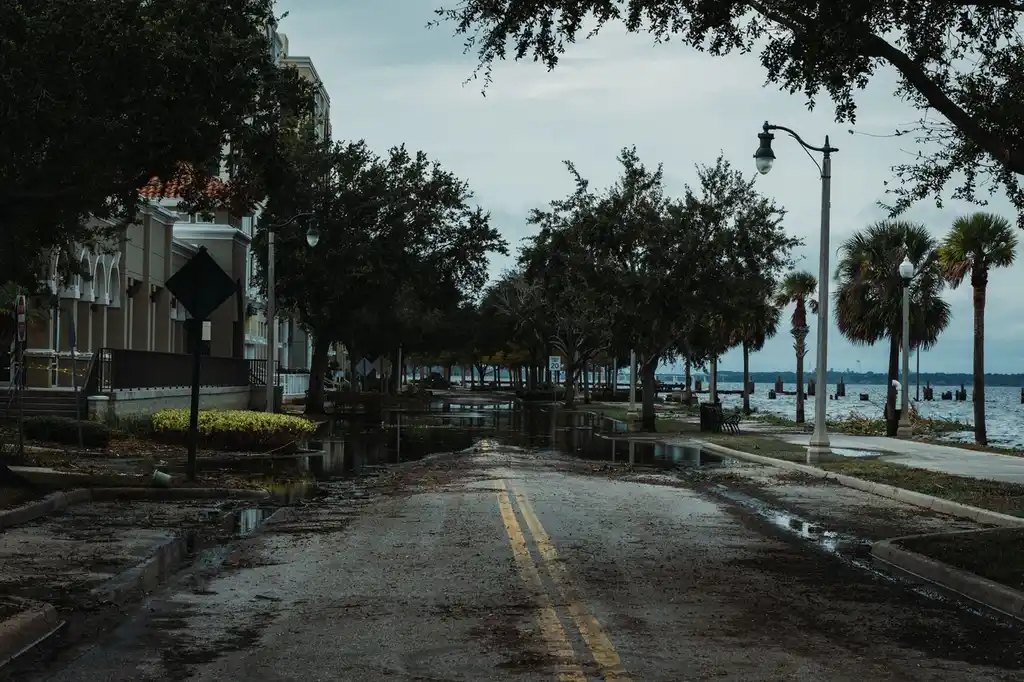
Pulls standing water out of carpet, padding and hard floors fast. Getting the bulk water out early is what saves flooring from a full replacement.
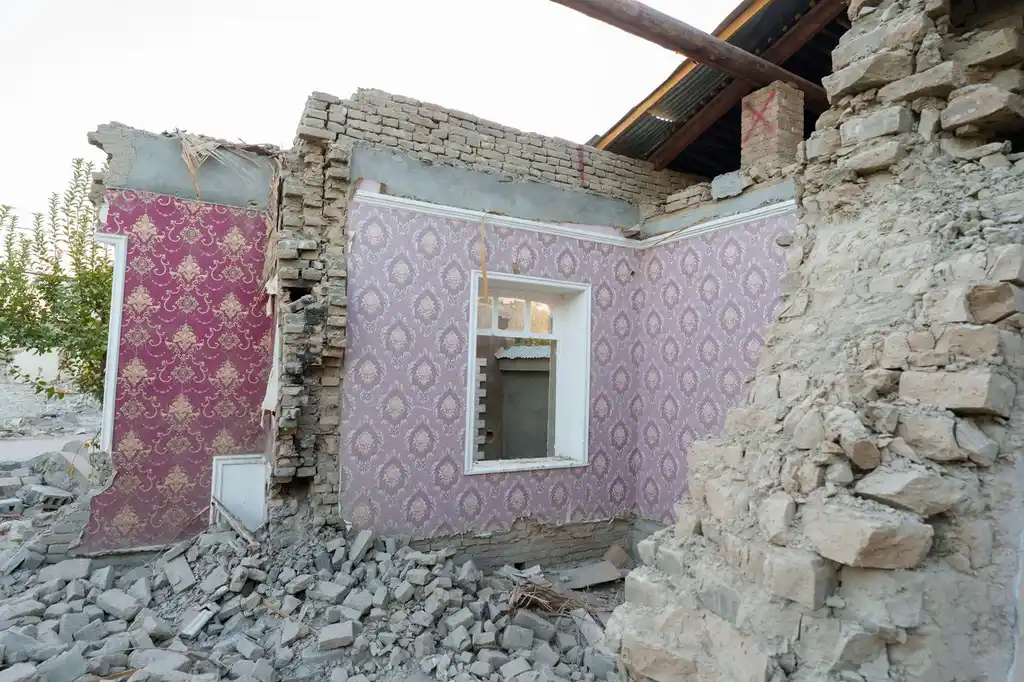
Lets us see inside wall cavities and under slabs to confirm the break point before we cut, which keeps the demo footprint small.
Thermal views are illustrative, generated from the photographs.
Cutting, soldering and fitting equipment for copper and PVC repairs. Reliable tools mean the repair is done right the first time.
We dry to a written standard, not by feel. That means documented moisture readings, a defined dry goal, and a log that shows the structure actually reached it. It is also what insurance adjusters expect to see in a claim file.
We build the repair and dry-out scope in Xactimate, the estimating platform most carriers use. Your adjuster gets a file in a format they recognize, which speeds up the claim and cuts down on back-and-forth.
Any framing or cavity that got wet gets treated with antimicrobial solution before it is closed up. It does not replace drying, but it adds a layer of protection against mold growth during the dry-down window.
Every repaired line is pressure-tested before the water goes back on. If a joint weeps, we find it now, not after the drywall is back up and painted.
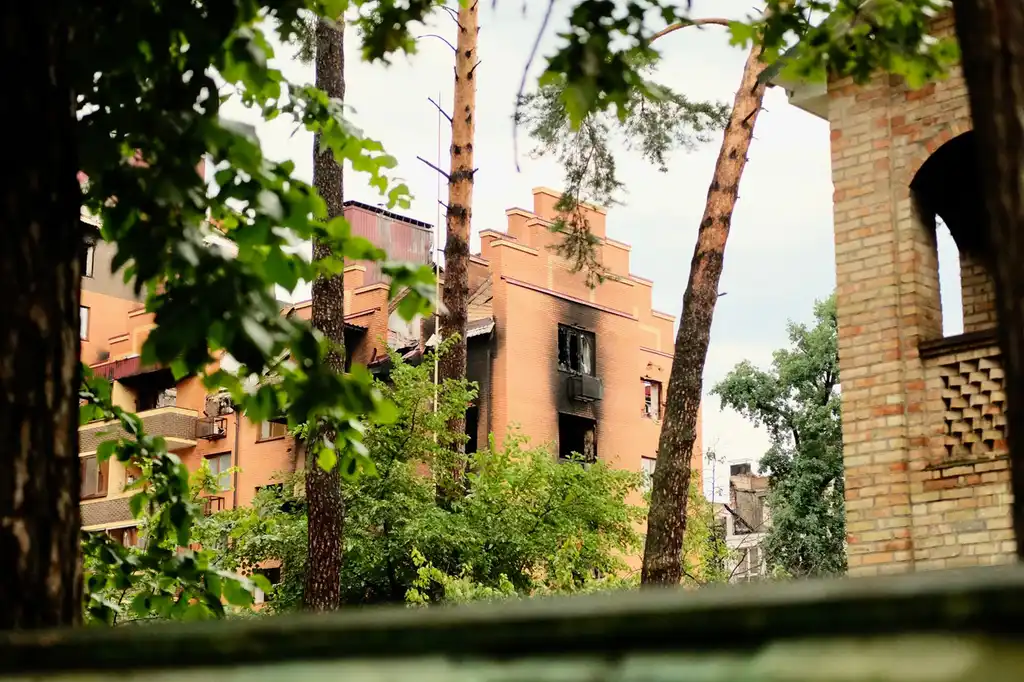
You wake up at 2 a.m. to the sound of running water inside a wall and a wet spot spreading across the ceiling.
Call us immediately. We walk you through shutting the main valve, then dispatch a crew with extraction equipment. We find the break, stop the water, and start drying the ceiling cavity the same night.
Outcome: Water is stopped within the hour and the dry-out starts before the ceiling collapses. You avoid a full ceiling replacement and a mold problem.
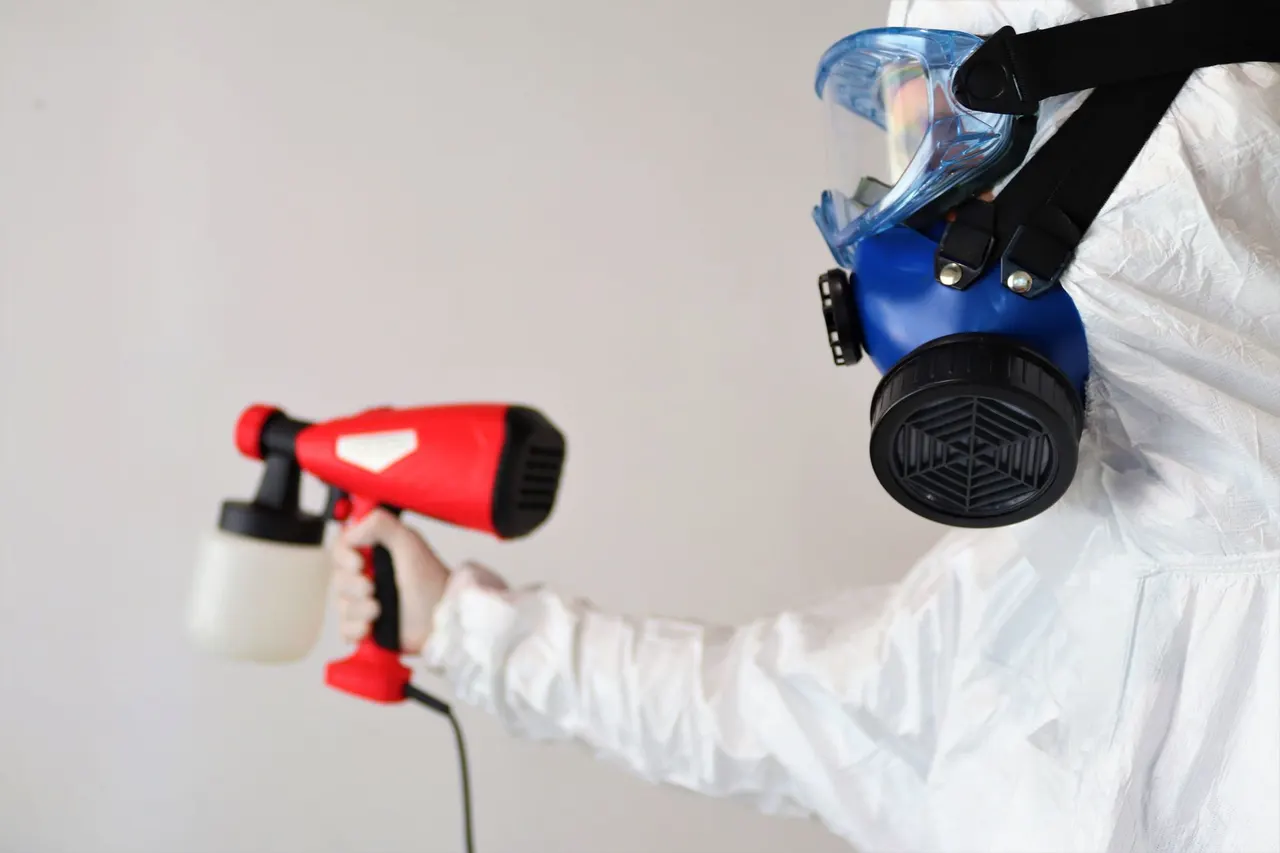
You come home from a winter trip to find a burst line has been spraying into the laundry room for days.
We extract standing water, pull saturated carpet padding, and check the wall cavity with a moisture meter and thermal camera. Then we repair the line and run a full dry-out with daily readings.
Outcome: The structure dries to a documented standard, mold is prevented, and you have a clean insurance file with photos and moisture logs.
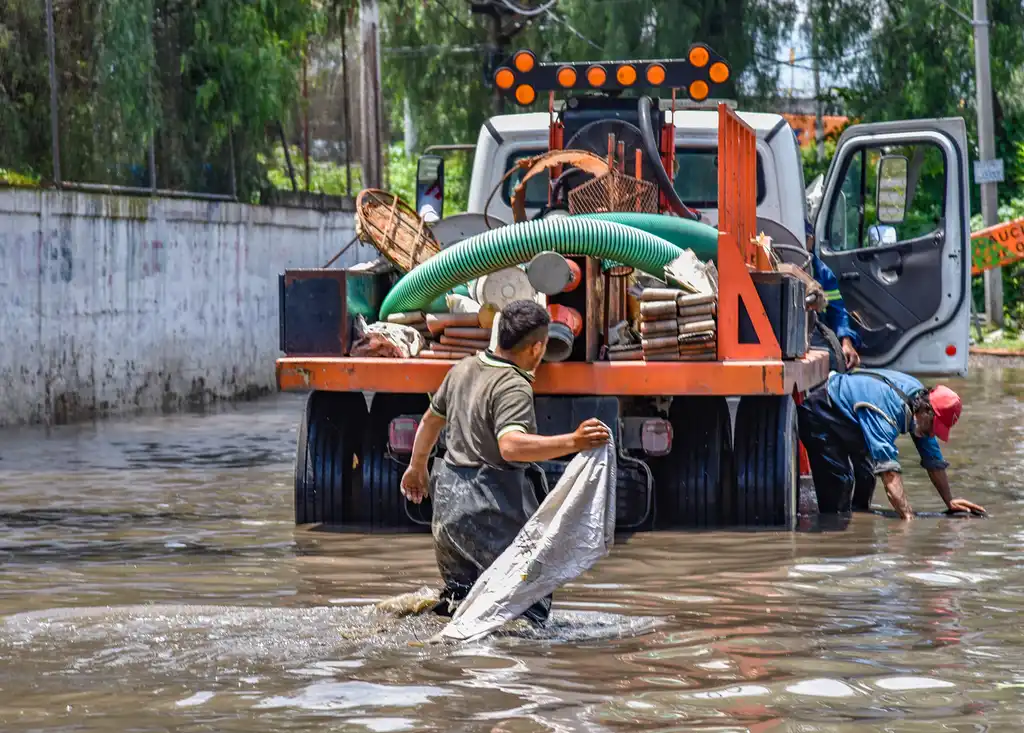
Your water bill jumped 40 percent and you can hear water running when every fixture is off.
That is a slab leak until proven otherwise. We trace it with thermal imaging and an inspection camera, open the slab at the smallest footprint, repair the line, and dry the surrounding area.
Outcome: The leak stops, the bill drops back to normal, and the repair footprint is small enough that the flooring patch is minimal.
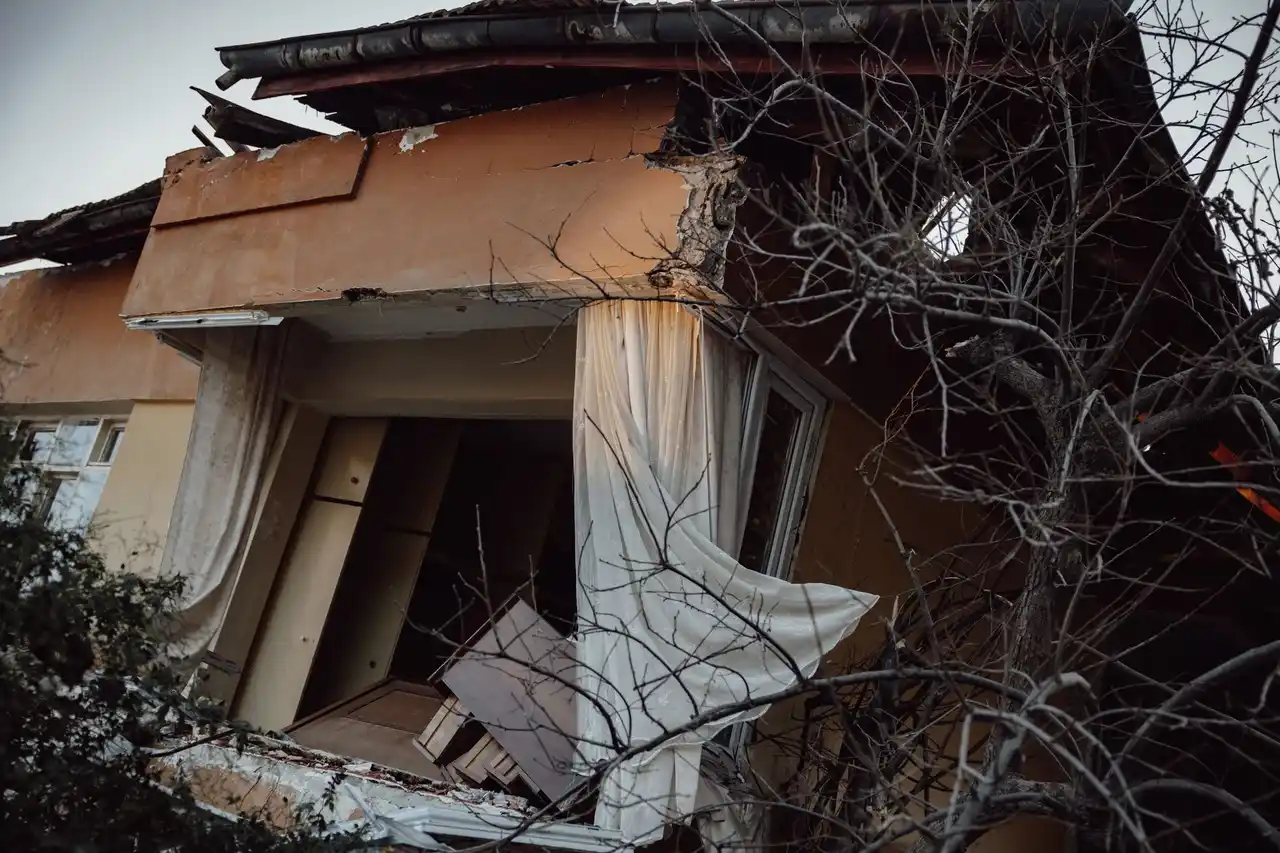
A pipe breaks in your rental unit and the tenant calls you at work.
We handle it directly. You get a call with the diagnosis and price, the tenant gets a crew on site, and we document everything for your records and your insurance carrier.
Outcome: The tenant is taken care of, the unit is dried and repaired, and you have a written scope and photos for your file.
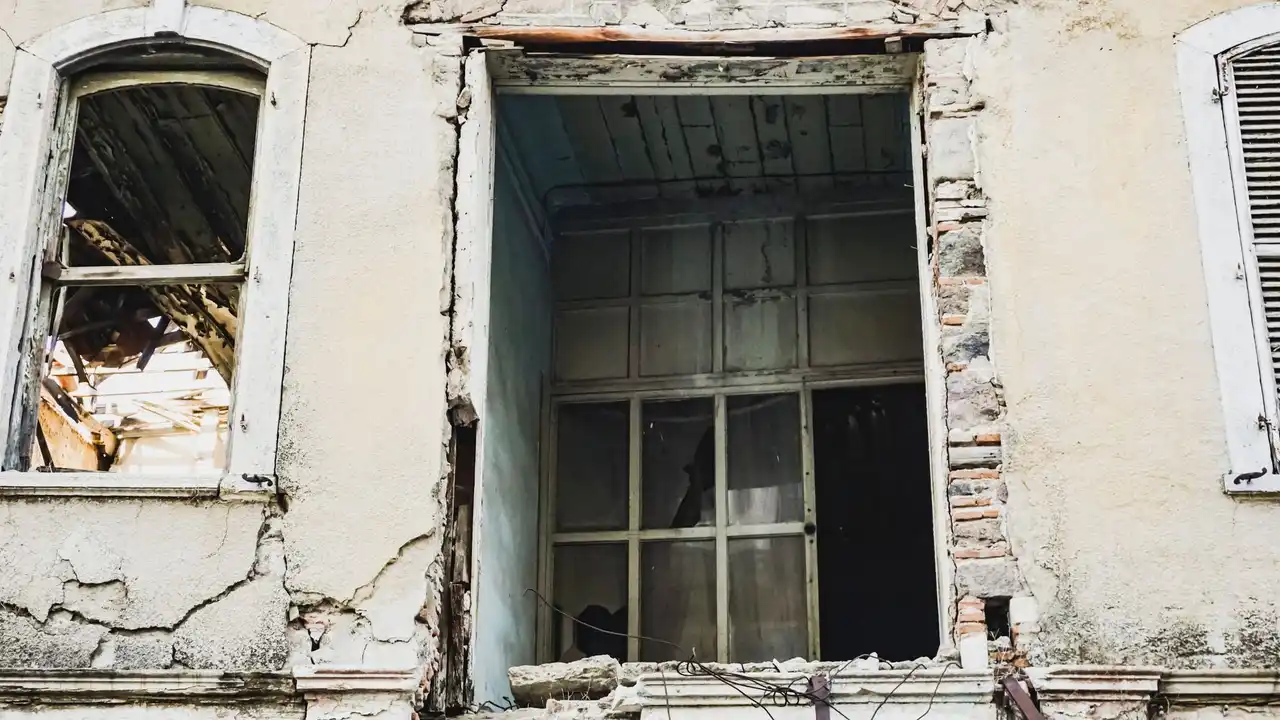
Show low sits above 6,000 feet, which means hard freezes from November through March and a real risk of split copper and cracked PVC every winter. The housing stock here is a mix of older homes with original copper and newer builds with PEX, and each fails differently. Older copper gets pinhole leaks and freeze splits. PEX handles freezing better but fails at fittings.
We see slab leaks in the neighborhoods built on expansive soil, and we see hose bib breaks after the first hard freeze every year. If you are searching for emergency broken pipe repair Show low open now, we are based here, not driving up from Phoenix. We work the 85901 ZIP daily and know which streets have the older plumbing.
When a line breaks, we shut it down, repair it, and dry the structure to a documented standard, usually in two to four days.
Before: A supply line split during a January freeze and sprayed into the laundry room wall for several hours overnight. Carpet padding was saturated, drywall was soft to the touch, and moisture readings in the framing were above 25 percent.
After: We cut out the split copper, soldered in a new section, and pressure-tested the line. Extraction pulled the standing water, and air movers and a dehumidifier ran for three days. Final readings came back under 12 percent and the wall was closed up.
We insulated the run that froze and recommended leaving cabinet doors open under sinks during hard freezes.
Before: A homeowner noticed cupping hardwood boards and a water bill up 40 percent. Thermal imaging confirmed a slab leak under the living room floor. About 120 square feet of hardwood and subfloor were affected.
After: We opened the slab at a two-foot footprint, repaired the line, and dried the surrounding structure over four days. The affected hardwood was dried in place and re-finished. The water bill dropped back to normal the next cycle.
We recommended a pressure test on the rest of the slab lines and a moisture check every six months. Catching a slow slab leak early keeps the repair footprint small.
Before: An exterior hose bib cracked on the first hard freeze in November. Water ran down the foundation wall and saturated the rim joist and sill plate. The homeowner found it when the water bill spiked and a wet spot appeared in the basement.
After: We replaced the hose bib and the damaged section of supply line, then dried the rim joist and sill plate over three days. Moisture readings dropped from 28 percent to under 13 percent. The framing was treated with antimicrobial solution before closing.
We installed a frost-free hose bib and recommended disconnecting hoses before the first freeze each fall. That alone prevents most exterior line breaks.
A burst line is rarely just a plumbing problem. Here are the situations we run into most often in Show low, and what happens if they get ignored.
Water stopped, line repaired, structure dried to a documented standard.
We locate the shutoff, kill the supply and start extraction within the first hour on site. Standing water in carpet padding and plywood subfloor starts damaging the structure immediately, so getting it out early is what saves flooring, baseboards and drywall from a full tear-out.
One crew handles the pipe and the moisture. We replace the failed section, then run air movers and a dehumidifier until a hygrometer reads dry. That means no waiting two days for a separate restoration company to show up while the wall cavity stays wet.
We photograph the break, log moisture readings and build the scope in Xactimate, the same estimating format most carriers use. You get a clean file to hand your adjuster instead of a handwritten invoice and a phone photo of a wet floor.
Show low sits above 6,000 feet, so we see split copper and cracked PVC every winter. We know which lines in older homes fail first, and we insulate or reroute them while we are already in the wall so you are not calling us back in January.
What a written scope covers and what shapes it. Prices are set by the business after the first look.
Included
Depends on
Clear records you can keep and share.
Images of the break and affected areas
Daily readings before and after drying
Repair and dry-out scope for your file
Final readings showing the structure reached dry standard
A burst pipe creates a plumbing failure and a moisture problem. Both have to be handled, and they are not the same trade.
Fixing the failed section of the water line
Removing standing water from the structure
Drying the cavities and framing the water reached
A list like this tells people straight away whether you cover their street. Not listed? Call and ask: it only takes a minute.
A simple accessible copper repair sits near the low end. Slab access, second-story lines, or a repair that also needs drywall opened and replaced pushes toward the top. If water reached carpet, padding or subfloor, dry-out adds to the total, and we price that separately so you can see both numbers.
Dry Crew Pros at (555)123-45678 takes burst pipe calls for Show low and the surrounding Navajo County area. Shut your main water valve first, then call. We walk you through the shutoff if you cannot find it and dispatch a crew with extraction equipment already loaded.
Most homeowners policies cover sudden and accidental pipe breaks, including the repair and the resulting water damage. Wear-and-tear or a line that has been leaking slowly for months is usually excluded. We photograph the break, log moisture readings and build the scope in Xactimate so your adjuster can process the claim quickly. You pay your deductible; we document the rest.
Shut the main water valve immediately, then open the lowest faucet in the house to drain the lines. Kill power to any room with standing water at the breaker. Move furniture and rugs off the wet area, and do not run a shop vac on a line that is still spraying. Once the water is off, call us. Extraction within the first few hours is what keeps a small leak from becoming a full flooring replacement.
Other services from the same team.
Water is still moving. Call Dry Crew Pros at (555)123-45678 and we will walk you through the shutoff while a crew loads up. We serve Show low, Lakeside, Snowflake and the rest of Navajo County with same-day emergency response.
Call us any time, day or night, for water damage restoration in Show low. We answer the phone, ask what happened, and get a crew moving. If you prefer to write, send us the details and we will get back to you quickly.