For Homes
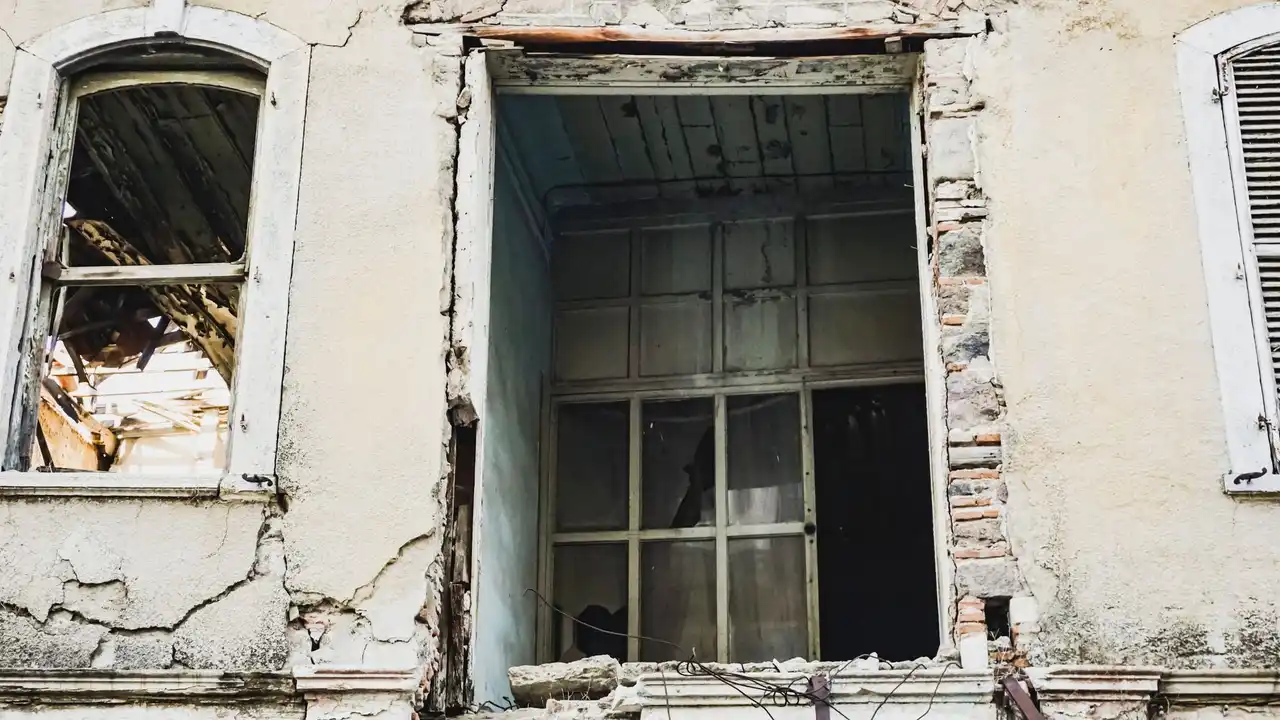
We handle water damage in houses, cabins, and rentals across Show low. You get a walk-through, readings you can see, and a plan before we start.
- Burst pipe under a sink
- Water heater leak in a closet
- Monsoon water under a door
Water Damage Restoration in Show low starts the moment you call Dry Crew Pros. We pull standing water, dry the structure, and document everything for your claim. Whether a burst pipe soaked your kitchen or a roof leak crept into the ceiling, our crew handles water damage cleanup in Show low for homes and businesses across Navajo County. One call, and we get moving.
 Find the sourceExtract standing waterDry and log
Every water damage job is different, but most include the same core work. Here is what we handle on a standard loss, and what we add on when the situation calls for it. You get a written scope before we start, so you know what is covered.
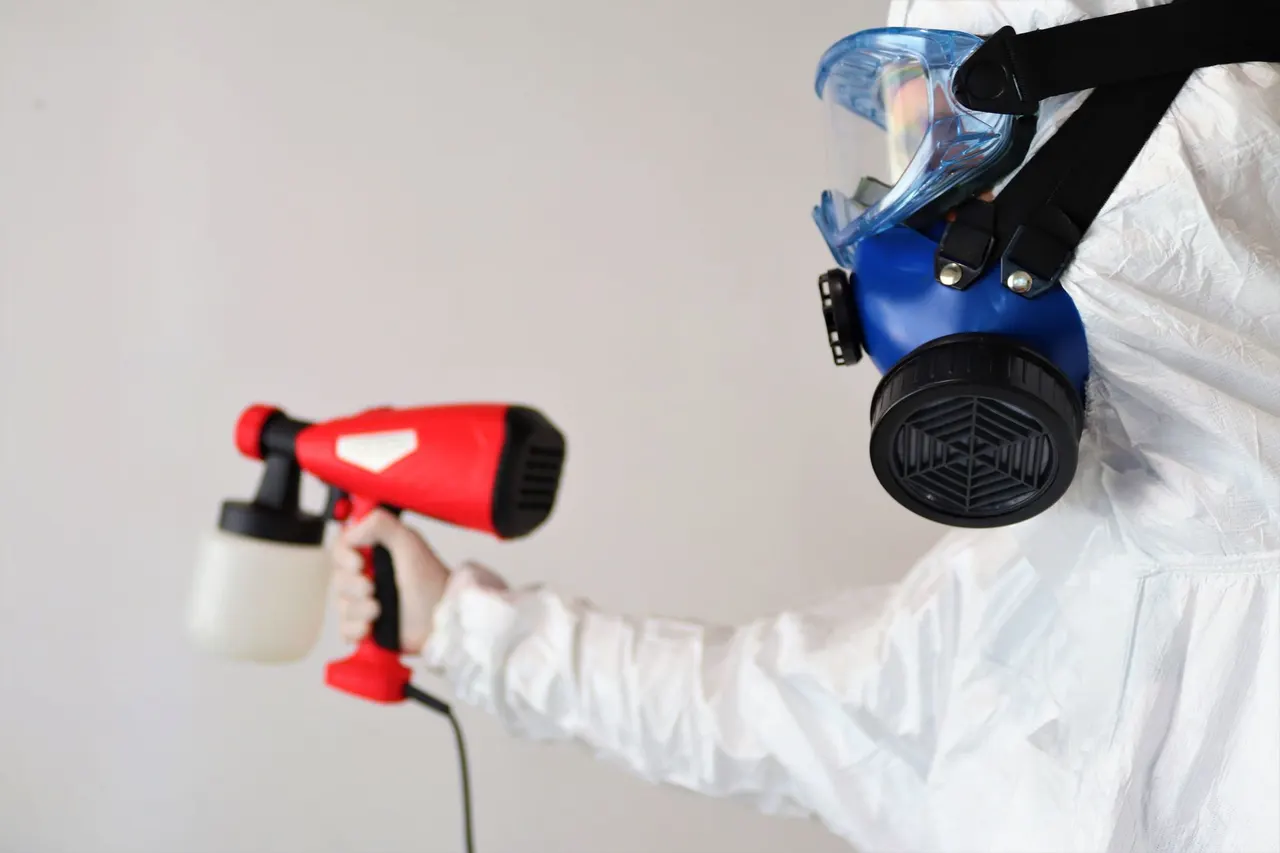
We pull standing water with a water extraction vacuum and remove saturated carpet padding, baseboards, and drywall that cannot be dried in place. This is the first step on every job and usually takes two to four hours.
We size air movers and dehumidifiers to the cubic footage of each affected room and set them to run continuously. Every 24 hours we return to check readings with a hygrometer and adjust the setup.
We use a moisture meter, thermal imaging camera, and infrared thermometer to find hidden wall moisture behind drywall and under flooring. Every reading is logged and photographed for your insurance claim.
We apply antimicrobial solution to affected framing, subfloor, and wall cavities to stop mold growth before it starts. On sewage backup jobs, we follow the higher containment and disposal standard.
If the water carried odor, we run an ozone generator after drying is complete. This handles lingering smells from sewage backup or long-standing moisture that has started to turn.
Once everything is dry, we reinstall drywall, baseboards, and flooring, or coordinate with your preferred contractor. You get a final walkthrough and a moisture report before we close the job.
The approach is the same for a home and a business. What changes is the access, the schedule and who needs the paperwork.
We handle water damage in houses, cabins, and rentals across Show low. You get a walk-through, readings you can see, and a plan before we start.
We work with property managers and business owners on water losses that affect tenants and operations. We document everything and coordinate with your carrier.
A plain-language look at what Water Damage Restoration involves and when it is needed.
See how it worksWater Damage Restoration in Show low is the process of extracting standing water, drying wet materials, and returning a building to its pre-loss condition. It is not just shop-vac work. We use a moisture meter and thermal imaging camera to map where water traveled behind drywall, then set air movers and dehumidifiers to pull that moisture out before mold takes hold. Every step is measured, logged, and compared against dry standard readings.
Show low sits at 6,300 feet in Navajo County, and that changes the job. Winter pipe freezes, monsoon storm water intrusion, and slab leaks under older homes all show up on our call board. If you need emergency water damage restoration in Show low, we treat the first 24 to 48 hours as the window that decides whether you replace carpet or just dry it. That is why we answer the phone and roll trucks.
Water damage gets worse by the hour. Fast extraction and measured drying save materials and money.
Five steps, start to finish. You will know what is happening, what it costs, and when we are coming back.
You call, we ask what happened and where the water is coming from. We walk you through shutting off the supply valve or breaker if needed. A tech arrives, walks the space with you, and finds the source using a moisture meter and infrared thermometer. You get a clear plan before we start.
We pull standing water with a water extraction vacuum, then remove carpet padding, baseboards, and any drywall that is too saturated to dry. Saturated insulation comes out too. This usually takes two to four hours on a typical room, longer on a flooded basement.
We set air movers and dehumidifiers sized to the cubic footage of each room. Every 24 hours we return, take readings with a hygrometer and moisture meter, and adjust equipment. Most Show low jobs dry in three to five days depending on material and how long the water sat.
Once framing and subfloor are dry, we apply antimicrobial solution to affected cavities and check hidden spaces with a boroscope and inspection camera. If there is a sewage backup, we follow the higher containment and disposal standard. Ozone generator treatment handles lingering odors.
We reinstall drywall, baseboards, and flooring, or hand off to your preferred contractor if you want. You get a final moisture report, photo documentation, and a walkthrough. We do not call the job done until you have walked it with us and signed off.
Move across a circle, or focus it and press Enter, for an illustrative thermal view of the photograph.
Pin and pinless readings to find hidden wall moisture behind drywall and under flooring. We log every reading before, during, and after drying.
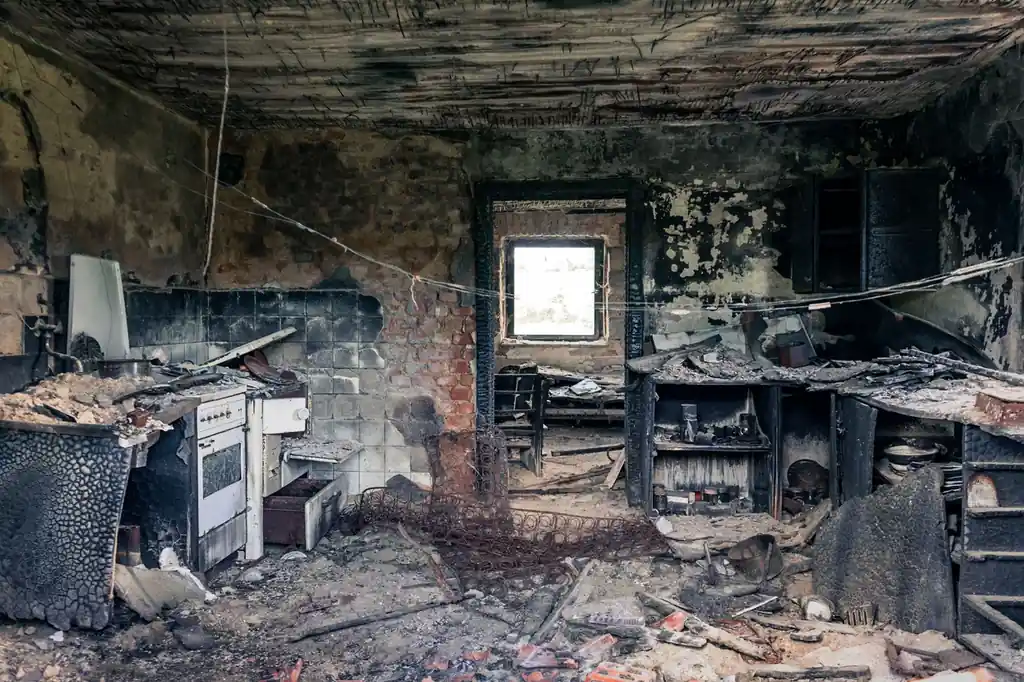
Maps temperature differences to reveal where water traveled behind walls and ceilings without cutting into them first.
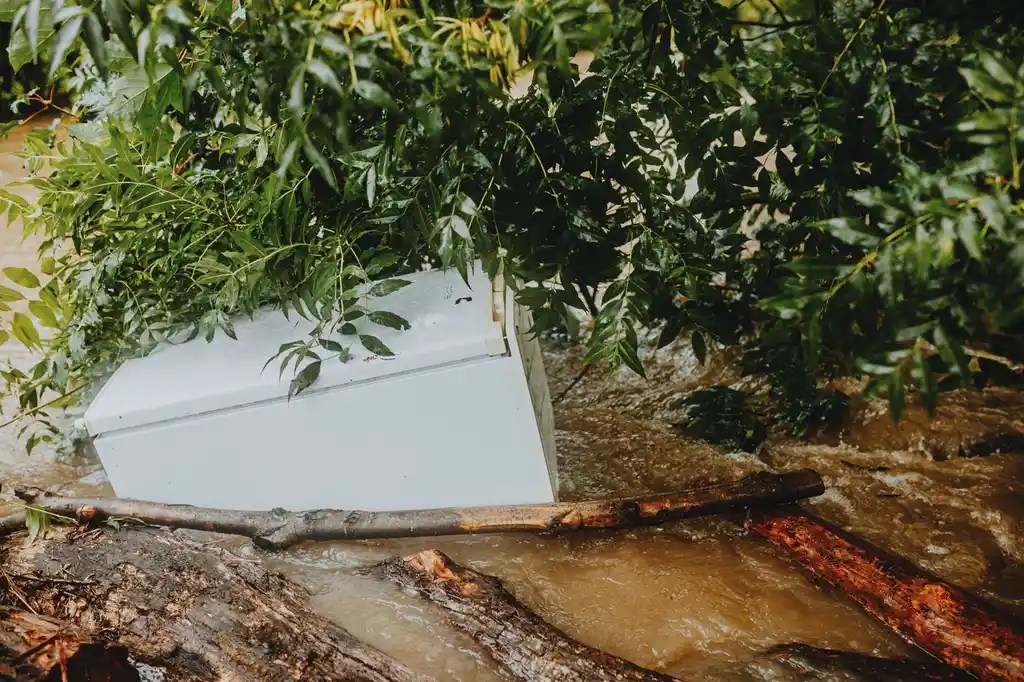
Pulls hundreds of gallons of standing water fast from carpet, hard flooring, and low spots before drying equipment goes down.
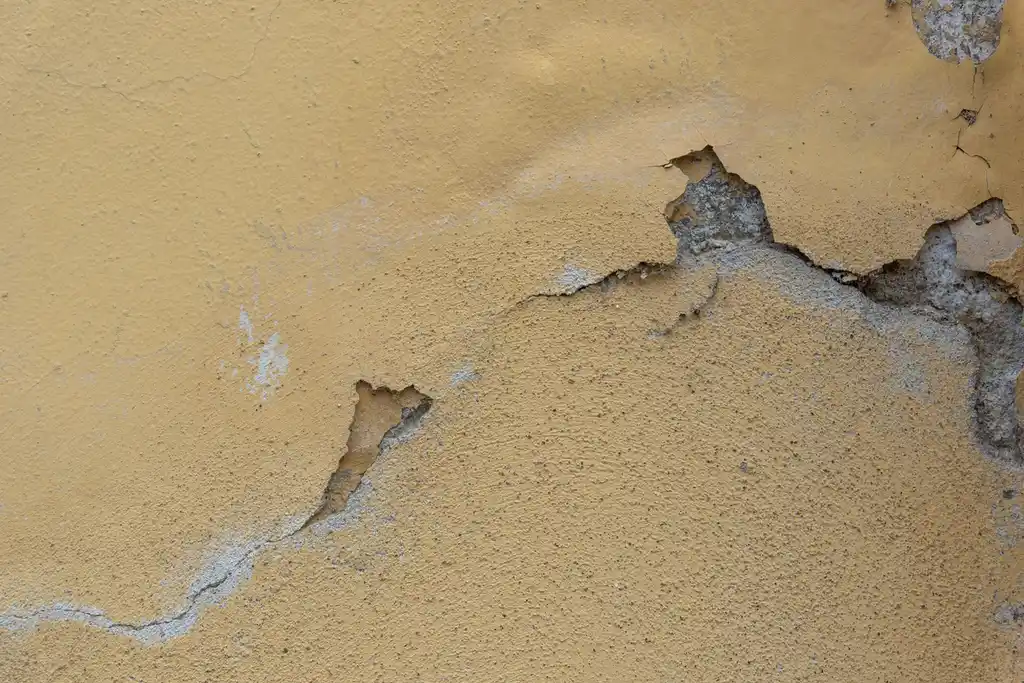
Sized to the cubic footage of each room to pull moisture out of materials and the air. We check readings every 24 hours and adjust.
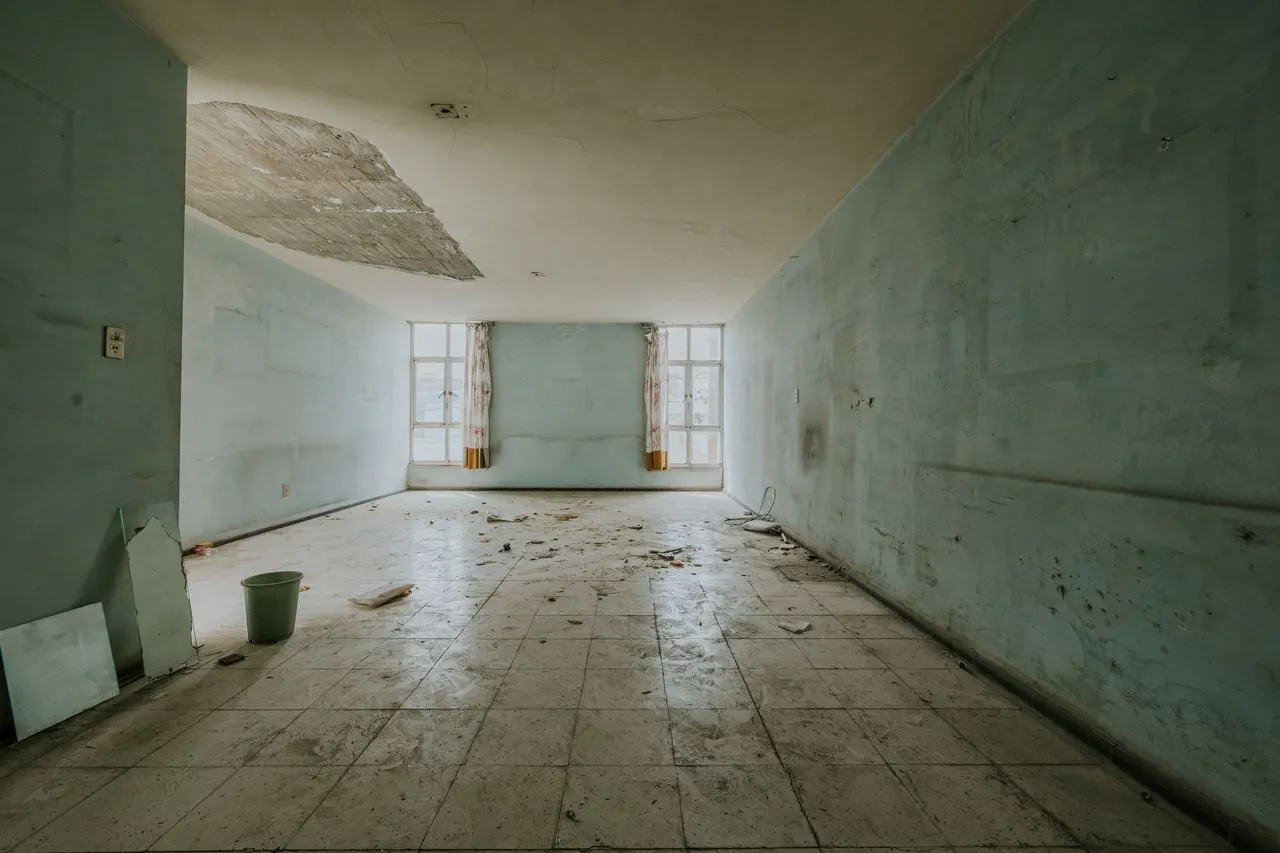
Lets us look inside wall cavities and under subfloors without tearing everything open. We confirm no hidden moisture remains before closing up.
Thermal views are illustrative, generated from the photographs.
Runs after drying is complete to eliminate lingering odors from sewage backup or long-standing moisture.
The industry standard for water damage restoration. It defines water categories, drying goals, and documentation requirements. We follow it on every job so your dry standard is measurable, not a guess.
This is how we dry in three to five days instead of leaving equipment for a week.
We build the loss scope in Xactimate, the same software most adjusters use. That means line items match what your carrier expects, which speeds up approval and reduces back-and-forth.
We apply antimicrobial solution to affected framing and cavities after extraction. On category 3 water like sewage backup, we follow the higher containment and disposal standard before treatment.
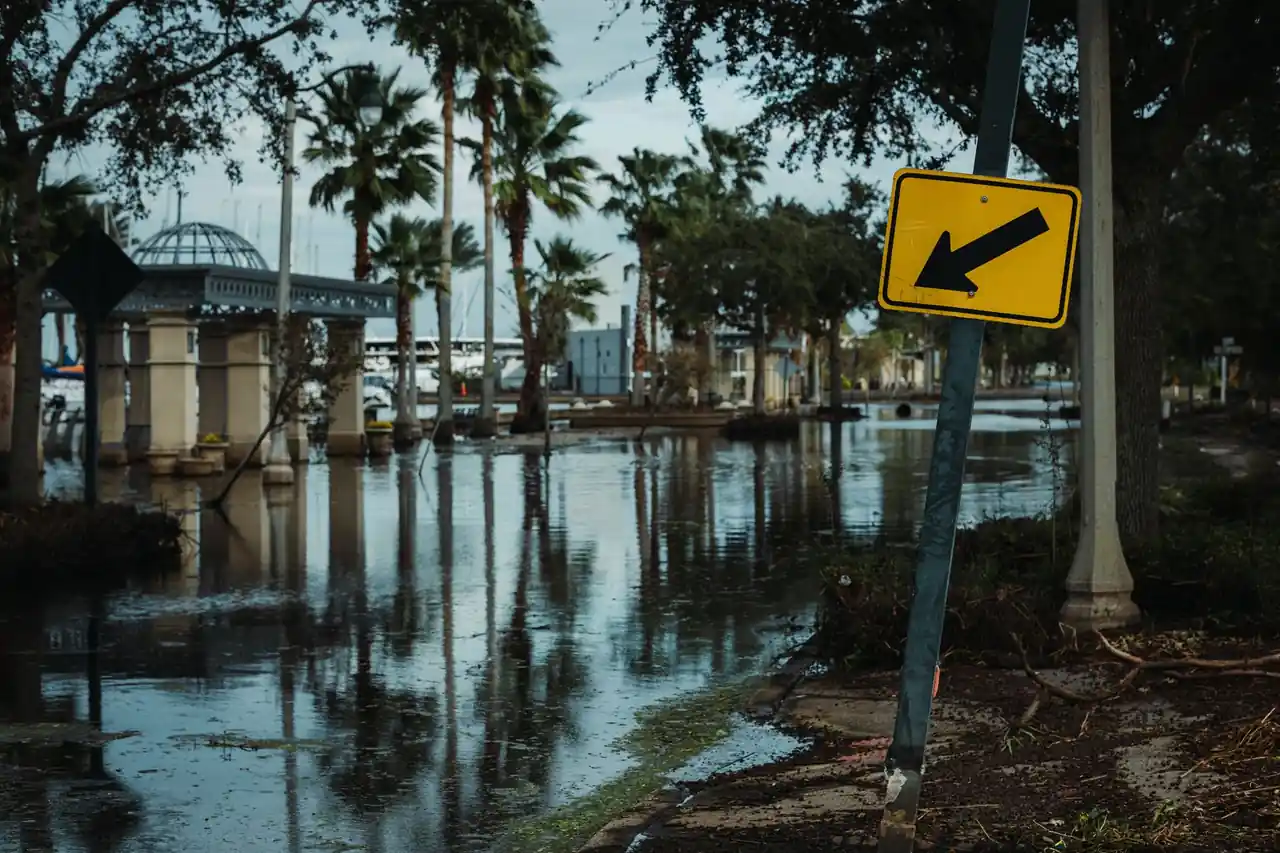
A pipe freezes and bursts in a Show low home during a January cold snap while you are away for the weekend.
We shut off the water, extract what has pooled, and dry the structure. We check every room with a moisture meter because water travels farther than you think under flooring.
Outcome: You come home to a dry house, a documented claim, and a repaired pipe instead of a mold problem.
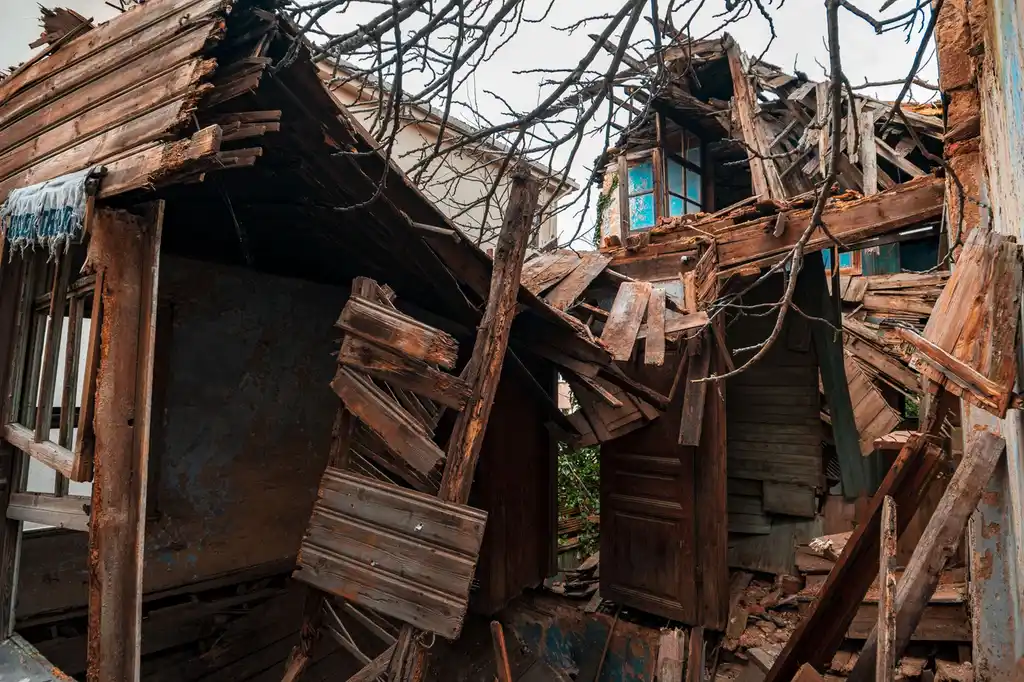
Monsoon rain pushes water under a back door and floods your family room carpet and pad.
We pull the saturated carpet padding, extract the water, and set drying equipment. We also check the door threshold and recommend a fix so it does not happen next storm.
Outcome: Carpet is dry in three to four days, no mold, and the door is sealed against the next monsoon.
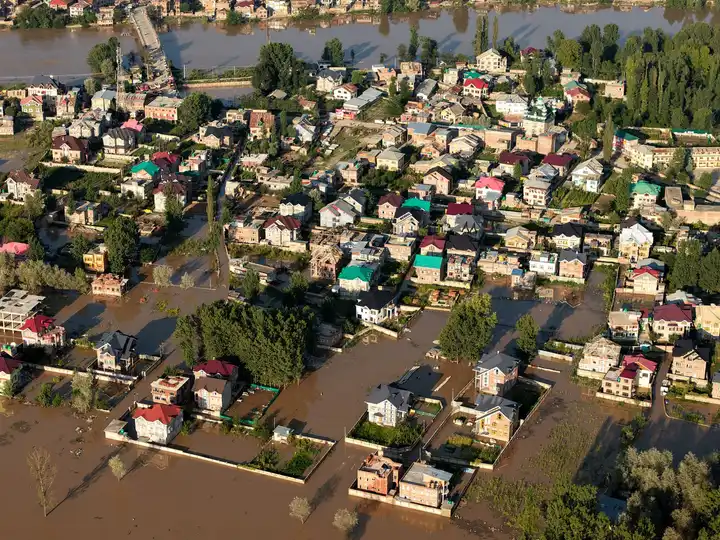
Your water heater fails overnight and soaks the hallway, closet, and part of a bedroom.
We extract the water, remove wet baseboards and carpet padding, and dry the subfloor. We document the loss in Xactimate and bill your carrier directly where allowed.
Outcome: The unit is dry and back in service within a week, with the claim paperwork already submitted.
A slow slab leak under your kitchen tile has been raising your water bill for two months.
We locate the leak, isolate the affected area, and dry the slab and surrounding flooring. If the hardwood has cupped, we pull it and dry the subfloor before reinstalling.
Outcome: The leak is fixed, the floor is dry, and you stop paying for water you are not using.
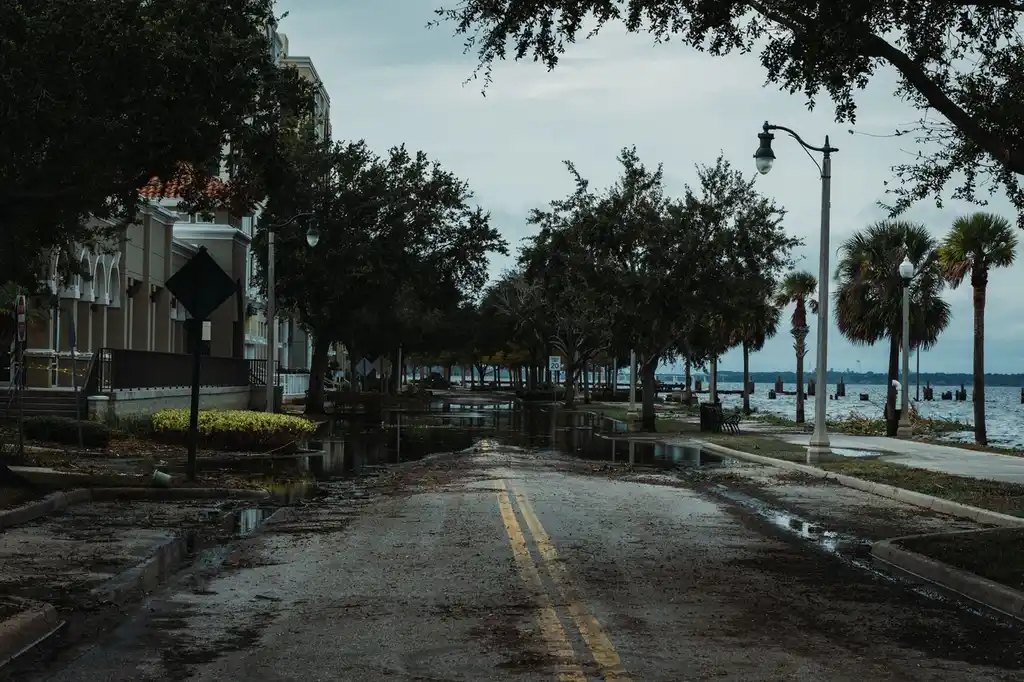
A toilet supply line breaks in a Snowflake rental and floods the bathroom and hallway.
We extract the water, remove saturated materials, and dry the space. We photograph everything and send the scope to the property owner and adjuster.
Outcome: The tenant is back in the unit in under a week and the owner has a clean claim record.
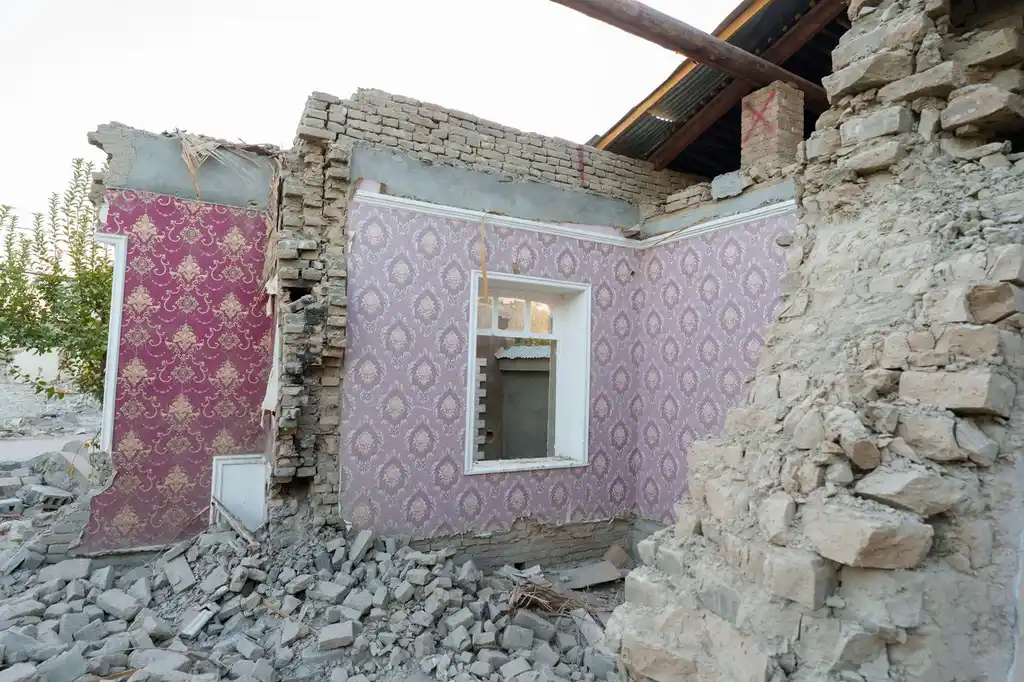
Show low sits at 6,300 feet in Navajo County, and the climate drives the calls we get. Winter pipe freezes are our biggest season, usually December through February, when overnight temps drop into the teens. Monsoon season from July through September brings storm water intrusion and roof leaks. The housing stock matters too.
Older homes around downtown Show low often have copper piping that is past its service life, and some have crawlspaces that hold moisture longer than a slab. We check with a moisture meter and thermal imaging camera before we assume anything. We also cover Lakeside and Snowflake, so if you are searching for water damage cleanup and structural drying in Show low, we are likely already in the area.
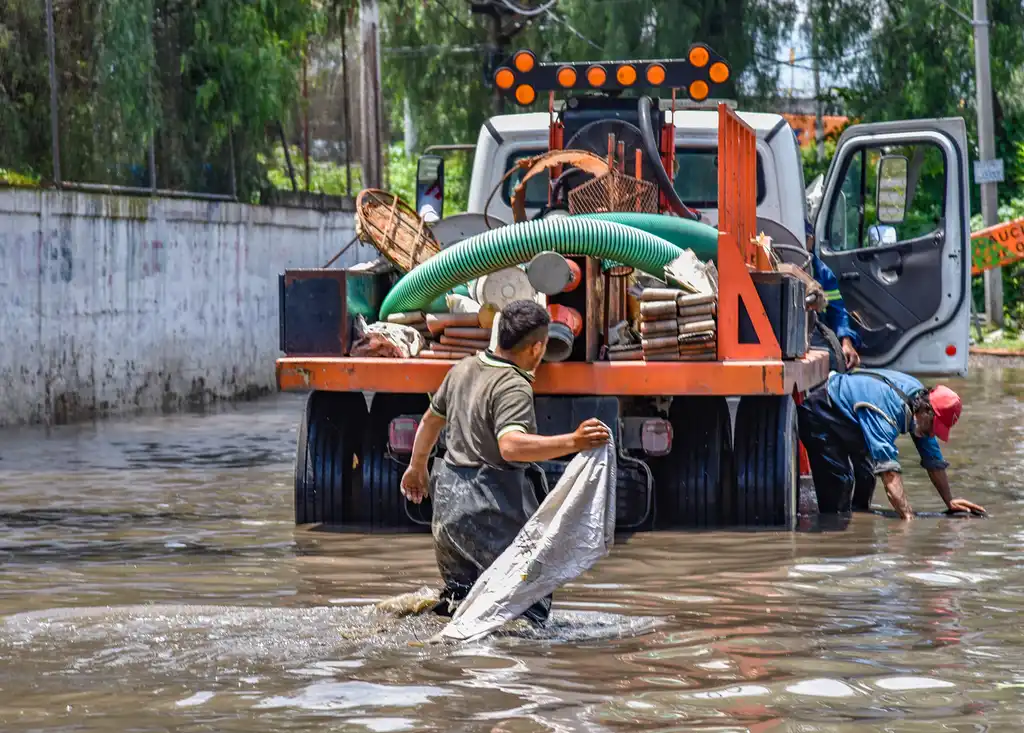
Before: A supply line under the kitchen sink burst overnight in January. Water spread across the kitchen floor, soaked the baseboards, and wicked into the drywall behind the cabinets. The homeowner found it at 6 a.m. with standing water an inch deep.
After: We extracted 40 gallons, removed saturated baseboards and two feet of drywall, and dried the space in four days. Moisture readings returned to dry standard. We repaired the pipe and reinstalled drywall and baseboards.
Keep cabinet doors open under sinks during cold snaps so warm air reaches the pipes. Insulate exterior wall piping before winter.
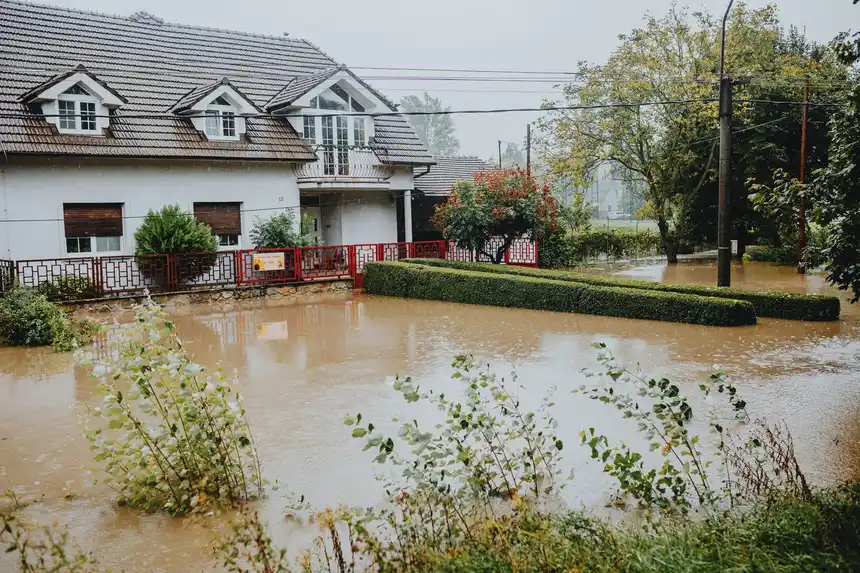
Before: Monsoon rain pushed water under a back door and flooded the family room carpet and pad. The cabin had been empty for two weeks, so the water sat and the carpet started to smell. Mold was beginning to form on the baseboards.
After: We pulled the carpet and pad, extracted the water, and treated the baseboards with antimicrobial solution. Drying took five days. We reinstalled new carpet and pad and sealed the door threshold to prevent a repeat.
Check the door threshold seal each spring before monsoon season. Clear gutters and make sure runoff flows away from the foundation.
Before: A 12-year-old water heater failed and soaked the hallway, closet, and part of a bedroom in a Snowflake rental. The tenant called the property manager, who called us. Carpet padding was saturated and the subfloor was wet.
After: We extracted the water, removed wet padding and baseboards, and dried the subfloor in three days. We documented the loss in Xactimate and billed the owner's carrier directly. The tenant was back in the unit in under a week.
Flush the water heater annually and replace the anode rod every three to five years. Check the pan and drain line for leaks.
Most water damage calls come down to a handful of sources. Here is what we see most often in Show low and how we handle each one.
Fast extraction, measured drying, and documentation that holds up.
Standing water wicks into baseboards and plywood subfloor within hours. Our water extraction vacuum pulls hundreds of gallons fast, then we check with a moisture meter to confirm we got it all. Most Show low calls get water out the same day.
We photograph every affected room, log moisture readings, and build a line-item scope in Xactimate that adjusters recognize. That means fewer back-and-forth emails and a cleaner claim. Professional water damage cleanup Show low with insurance billing is how we work every job.
We set Dri-Eaz and Phoenix Restoration Equipment air movers and dehumidifiers, then check readings daily. You get a drying log that shows exactly when each room hit dry standard. No guessing, no leaving equipment for a week and hoping.
Black mold growth can start in 24 to 48 hours on wet drywall and insulation. We apply antimicrobial solution to affected framing and cavities, and we remove saturated materials that cannot be saved. Catching it early saves you a mold remediation bill later.
What a written scope covers and what shapes it. Prices are set by the business after the first look.
Included
Depends on
Clear records you can keep and share.
Daily readings before, during, and after drying
Room-by-room documentation for your claim
Xactimate line items for your adjuster
Dry standard confirmation and walkthrough sign-off
The category of water determines how much material has to come out and how we treat the space.
Clean water from a supply line
Gray water from an appliance
Sewage or storm water
A list like this tells people straight away whether you cover their street. Not listed? Call and ask: it only takes a minute.
A single-room extraction and dry-out often lands near the low end. A flooded basement with sewage backup and drywall removal pushes higher. We scope the job in Xactimate so you see line items before work starts.
Extraction and material removal usually take two to four hours. Structural drying takes three to five days on most Show low jobs, sometimes longer for hardwood flooring or a flooded basement. We check readings every 24 hours and tell you when each room hits dry standard. You are not guessing when it will be done.
Most homeowner policies cover sudden and accidental water damage, like a burst pipe or appliance overflow. Slow leaks and foundation seepage are often excluded. We document the loss with photos, moisture logs, and an Xactimate scope, then bill your carrier directly where allowed. Call your adjuster early, and we will work with them on the paperwork.
Sometimes yes, sometimes no. If the water sat less than 24 to 48 hours and the boards have not cupped or buckled, we can often dry them in place with air movers and dehumidifiers and save the floor. If cupping is severe or the subfloor is saturated, we pull the boards, dry the plywood subfloor, and reinstall. We check with a moisture meter before deciding.
Other services from the same team.
Every hour you wait, water wicks deeper into your walls and subfloor. Call Dry Crew Pros and we will get a crew moving to your address. We answer the phone, we show up, and we tell you straight what the job needs.
Call us any time, day or night, for water damage restoration in Show low. We answer the phone, ask what happened, and get a crew moving. If you prefer to write, send us the details and we will get back to you quickly.