For homes
We board up, pull the burned materials, and dry the framing before anything gets rebuilt. You get a written schedule and a project lead you can text.
- Kitchen and grease fires
- Chimney and wood stove smoke
- Garage and electrical fires
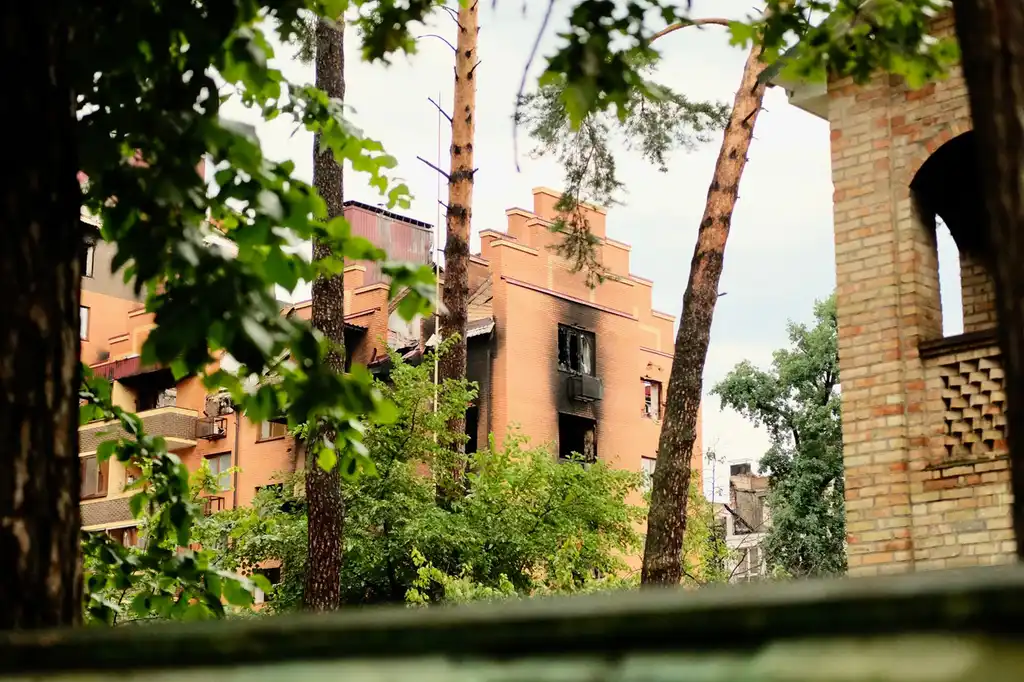
When a kitchen fire or chimney flare-up leaves soot on every surface, our fire damage restoration in Show low crew handles the board-up, debris haul-out, smoke odor removal and structural repairs under one roof. We serve homeowners and landlords across Navajo County, work directly with your insurance adjuster, and document every room with photos before a single item leaves the property.
 Board-up same daySoot and odor removalInsurance documentation
Our standard fire damage restoration scope covers emergency board-up, debris removal, soot and smoke cleaning, odor neutralization, structural drying and the rebuild of damaged rooms. We list everything in writing before work starts, so you know what is covered and what your policy handles separately. Add-ons like contents cleaning or duct cleaning get quoted up front, never tacked on later.
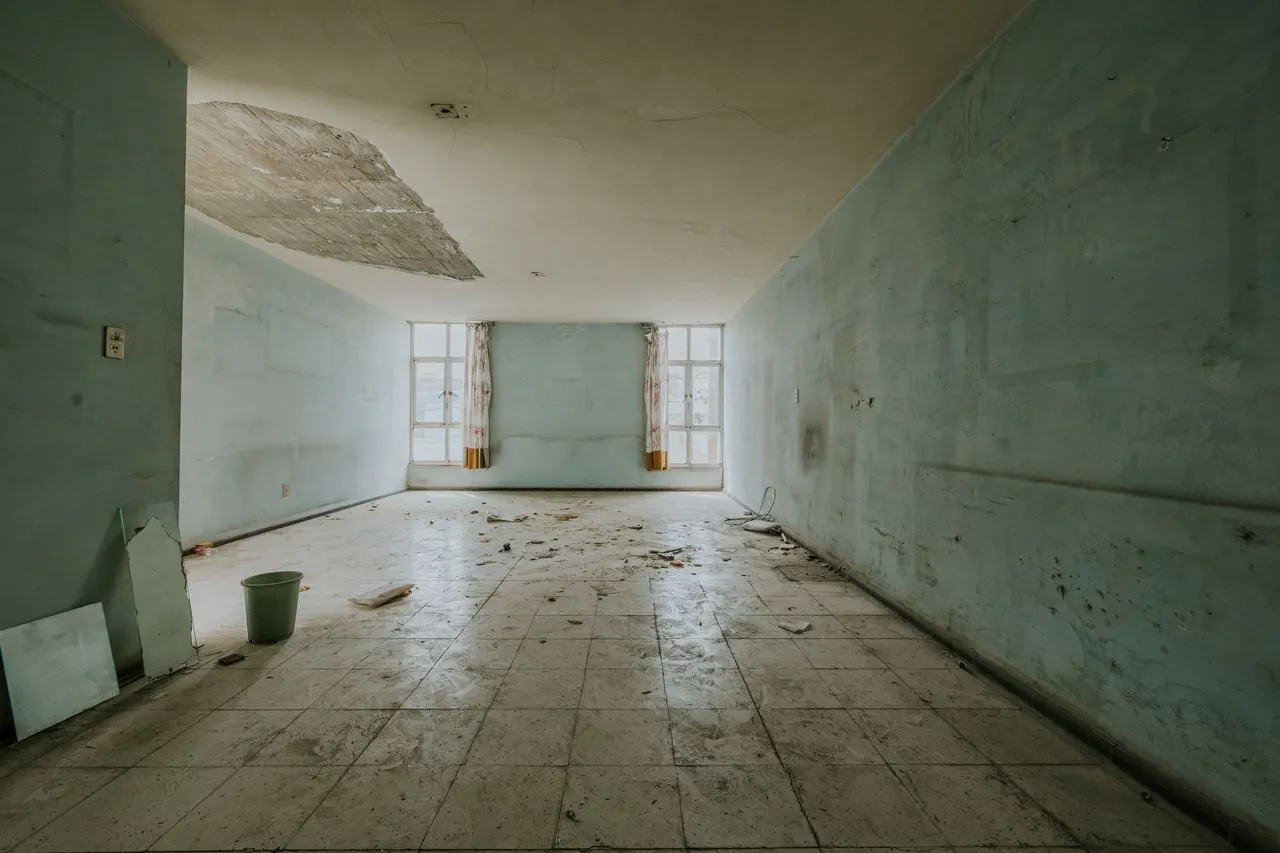
Plywood over broken windows and doors, tarps over roof openings, and temporary fencing where needed. We secure the structure the same day we arrive so weather and trespassers stay out while the claim is processed.
Charred drywall, insulation, carpet padding, baseboards and plywood subfloor come out and go to the dumpster. We protect unaffected rooms with plastic sheeting and zip walls so soot dust does not spread through the rest of the house.
HEPA vacuuming, chemical sponge wiping and antimicrobial treatment on every surface that smoke touched, including ceilings, light fixtures and cabinet interiors. We use a moisture meter and hygrometer to confirm the space is dry before we close anything up.
Ozone generators, thermal foggers or hydroxyl units run in sealed rooms to break down smoke odor at the molecular level. We follow with a vapor barrier on exposed stud bays so the framing does not release odor months later when the weather changes.
If suppression water reached the subfloor or wall cavities, Dri-Eaz air movers and dehumidifiers run until readings match a dry standard. This usually takes 2 to 4 days and prevents black mold growth behind the new drywall.
New drywall, insulation, baseboards, paint and flooring installed by the same crew that did the cleanup. We match existing texture and trim as closely as the original materials allow, and we walk the house with you before we call the job done.
The approach is the same for a home and a business. What changes is the access, the schedule and who needs the paperwork.
We board up, pull the burned materials, and dry the framing before anything gets rebuilt. You get a written schedule and a project lead you can text.
We secure the building, document the loss for your carrier, and phase the cleanup so you can reopen part of the space. After-hours scheduling keeps the work off your busiest hours.
A plain-language look at what Fire Damage Restoration involves and when it is needed.
See how it worksFire damage restoration in Show low is the process of securing a burned structure, removing soot, char and contaminated materials, neutralizing smoke odor, and rebuilding the rooms that fire, heat or water from the hoses damaged. It starts with an inspection using a thermal imaging camera and boroscope to find heat pockets inside wall cavities, then moves to extraction, demolition of unsalvageable drywall and insulation, and drying with Dri-Eaz air movers and dehumidifiers before any rebuild begins.
In Show low, most calls come from three places: a grease fire on the stove, a wood stove or chimney flue that cracked during a cold snap, and electrical faults in older wiring. Winter here drops below freezing at night, so a fire that starts at 2 a.m. often leaves water from suppression frozen in the baseboards by morning. That is why we treat every job as both a fire and a water loss, and why our smoke and fire damage restoration Show low crews carry extraction gear on the same truck as the ozone generator.
Fire cleanup is two jobs: removing what burned and drying what the hoses soaked.
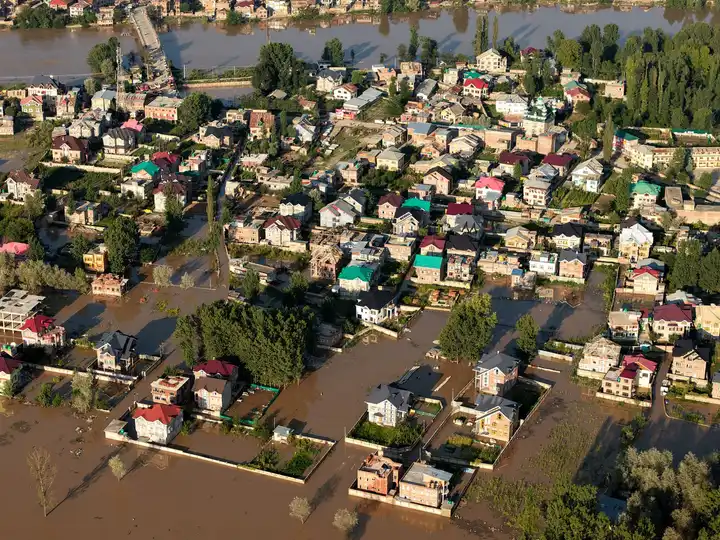
Every job follows the same five steps, whether it is a single-room kitchen fire or a full attic burn. You get a written schedule on day one and a named project lead you can text.
You call, we roll. A technician arrives, walks the structure with you, and identifies what is safe to enter. We board windows and doors, tarp the roof if needed, and shut off gas or power where the fire marshal has not already done it. This visit usually takes 60 to 90 minutes.
We use a thermal imaging camera, moisture meter and boroscope to map heat damage inside walls and check for hidden water from suppression. Every reading gets logged. Within 24 hours you get a written scope listing what comes out, what gets cleaned, and what gets rebuilt.
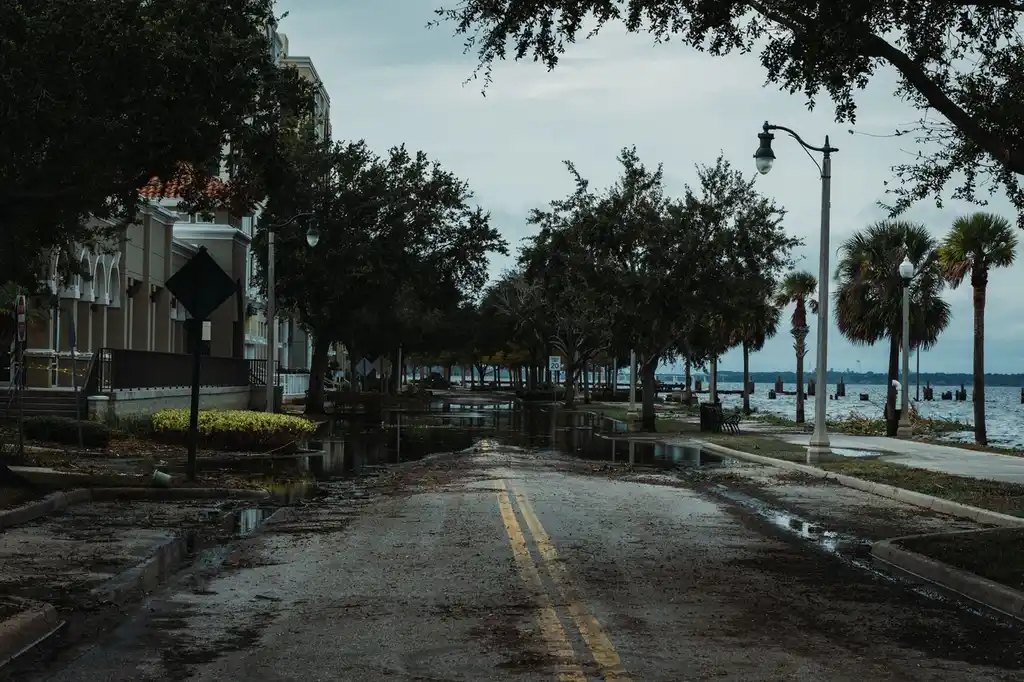
Charred drywall, insulation, carpet padding and baseboards come out and go to the dumpster. We protect the rooms that were not burned with plastic sheeting and zip walls so soot dust does not migrate through the rest of the house. This phase runs 1 to 3 days on a typical Show low home.
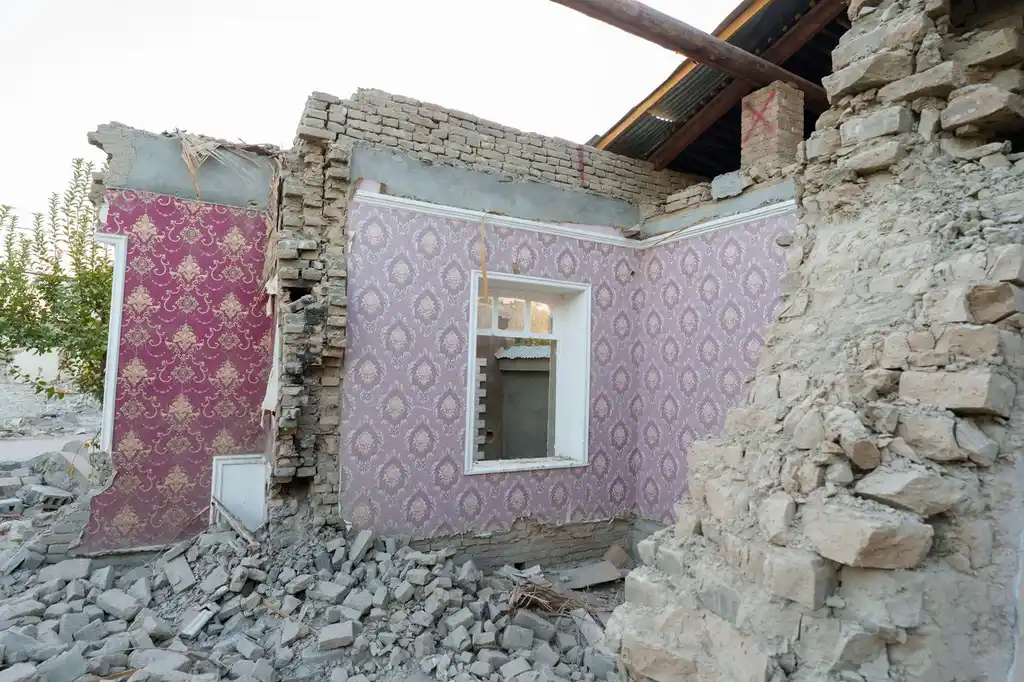
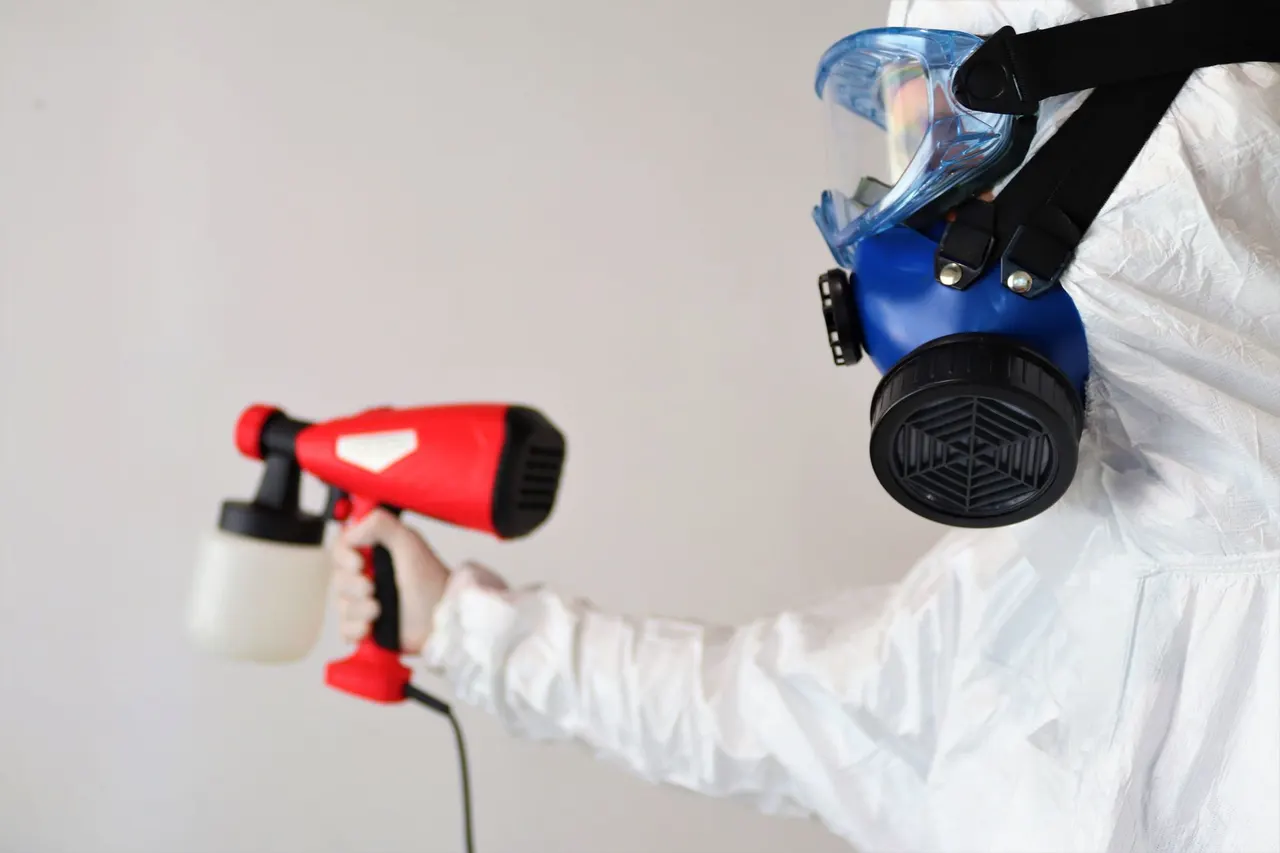
We HEPA-vacuum every surface, wipe with antimicrobial solution, and run ozone generators and thermal foggers to neutralize smoke odor in the framing. If suppression water reached the subfloor, Dri-Eaz air movers and dehumidifiers run until the moisture meter reads dry, usually 2 to 4 days.
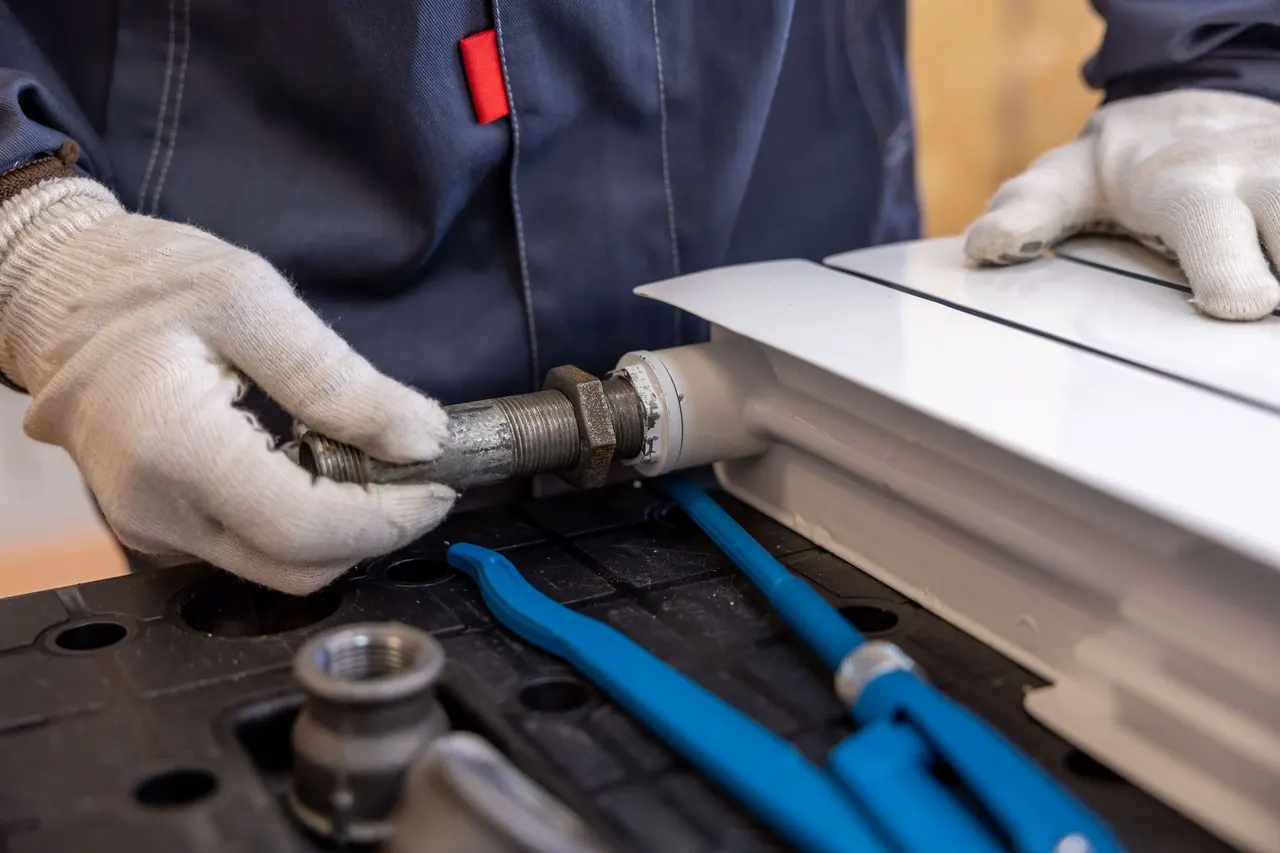
New drywall, insulation, baseboards, paint and flooring go back in. We match existing texture and trim as close as the original materials allow. On the last day we walk the house with you room by room, hand over the photo documentation, and leave the property broom-clean.
Move across a circle, or focus it and press Enter, for an illustrative thermal view of the photograph.

Finds heat pockets inside wall cavities and ceiling assemblies after the flames are out, so we do not miss a smoldering stud behind drywall.
Lets us look inside closed wall cavities and ductwork without tearing everything open, which keeps demolition scoped to what actually burned.
Measures water content in drywall, subfloor and framing and tracks drying progress day by day until the structure hits the dry standard.
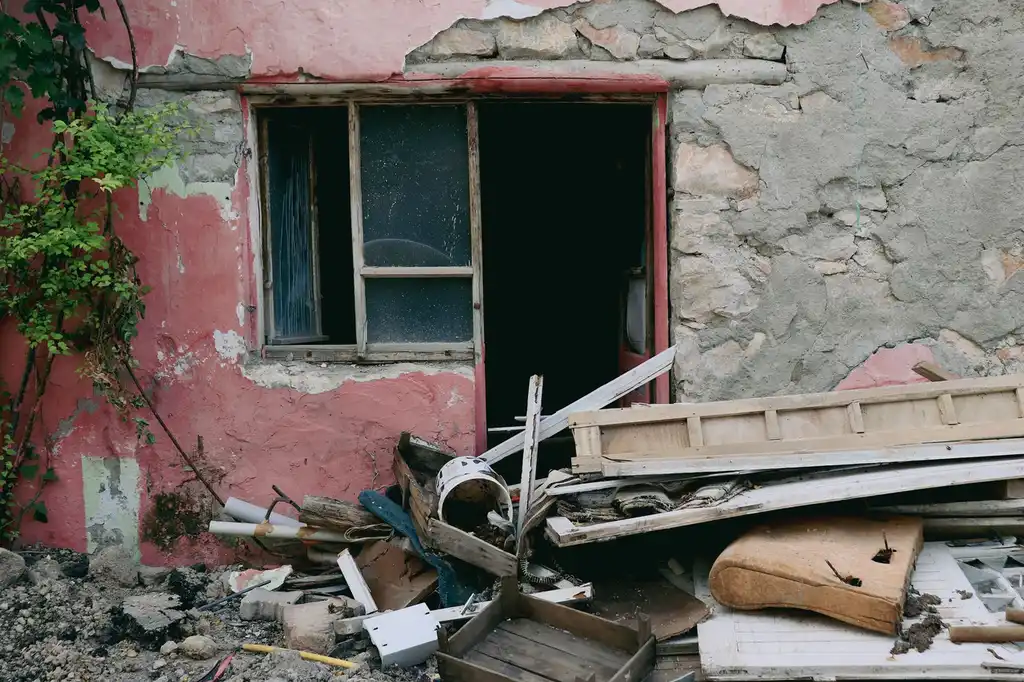
Pull moisture out of subfloor, framing and insulation after fire hoses soak a room. We run them until readings confirm the structure is dry.
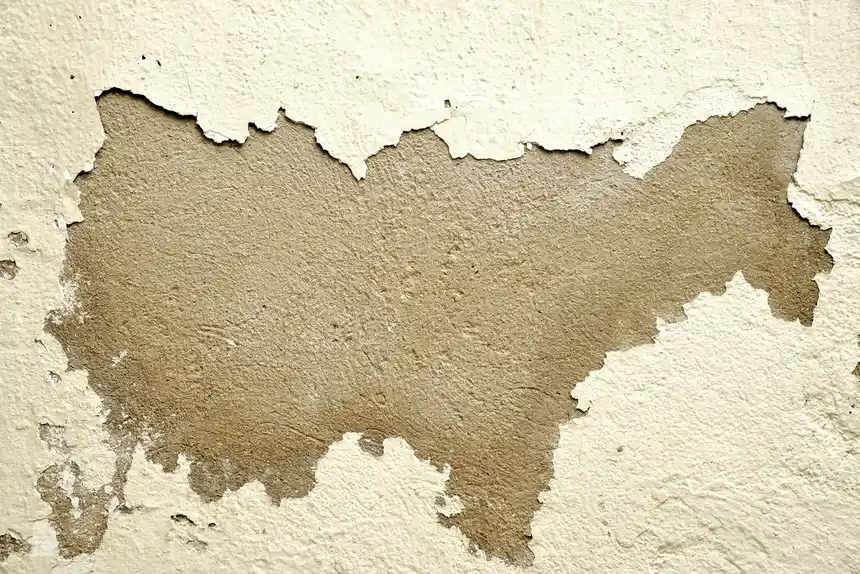
Neutralizes smoke odor at the molecular level in sealed rooms. Different smoke types need different dwell times, so we match the method to what burned.
Thermal views are illustrative, generated from the photographs.
Captures fine soot particles instead of pushing them back into the air. Used on every surface before wet wiping so we do not smear soot into the drywall.
Writes the claim in the same format most Arizona adjusters use, which speeds up approvals and reduces denied line items.
The industry standard for fire and smoke restoration. It guides how we classify the loss, what gets cleaned versus removed, and how we verify odor neutralization before the rebuild starts.
Applies whenever suppression water soaks the structure. It sets the drying targets, equipment ratios and documentation we follow so the framing is dry before new drywall goes up.
Required on pre-1978 homes, which is most of the older housing stock around Show low. We contain the work area, control dust, and dispose of painted materials properly during demolition.
Ozone and foggers only work after the burned materials are gone. We pull charred insulation, carpet padding and subfloor first, then treat the framing, which is why our odor results hold up.
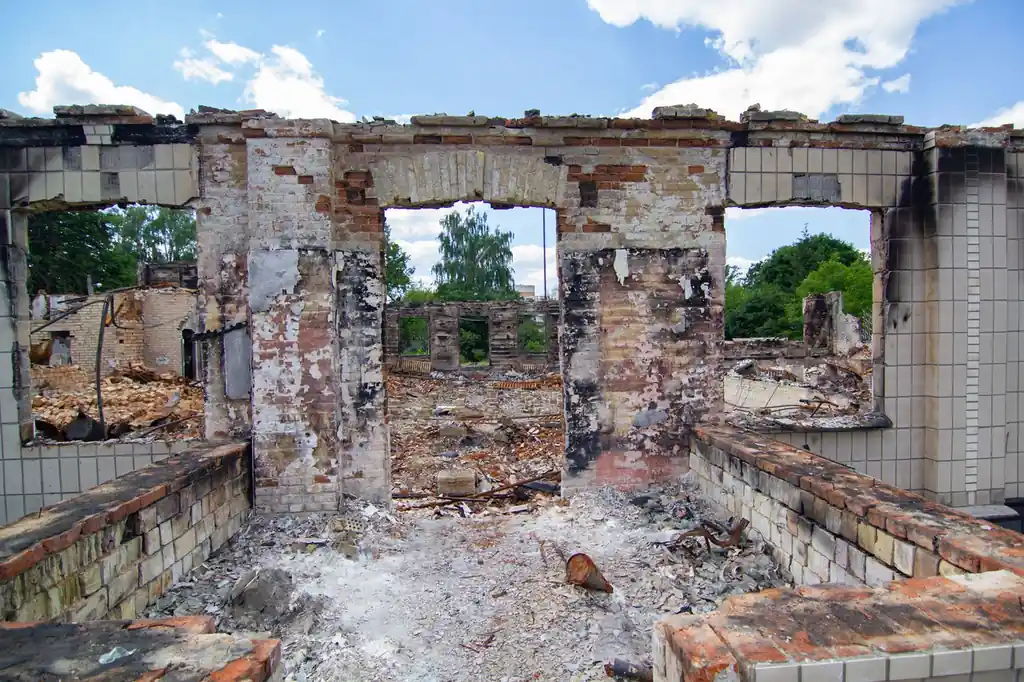
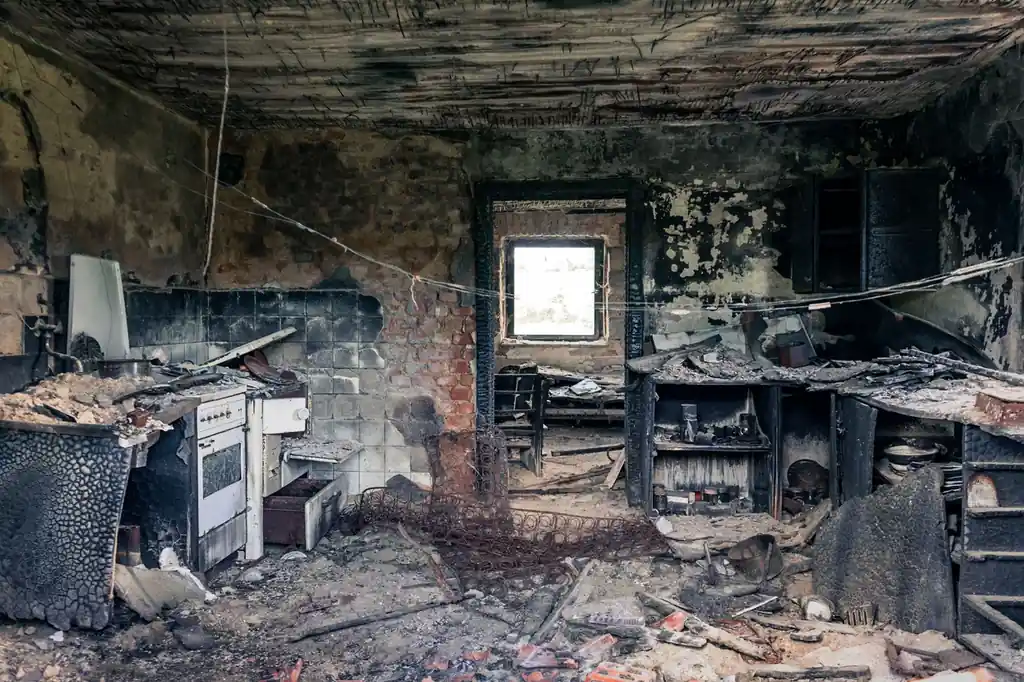
A kitchen grease fire that scorched the cabinets and sent smoke through the whole house.
We board up if windows broke, pull the charred cabinets and drywall, HEPA-vacuum the soot off every surface, and run ozone in the living areas. Grease smoke leaves a sticky residue that needs a different cleaner than wood smoke.
Outcome: Kitchen rebuilt, smoke odor gone from bedrooms and closets, and the claim documented for the adjuster. Most kitchen fires finish in 3 to 5 weeks.
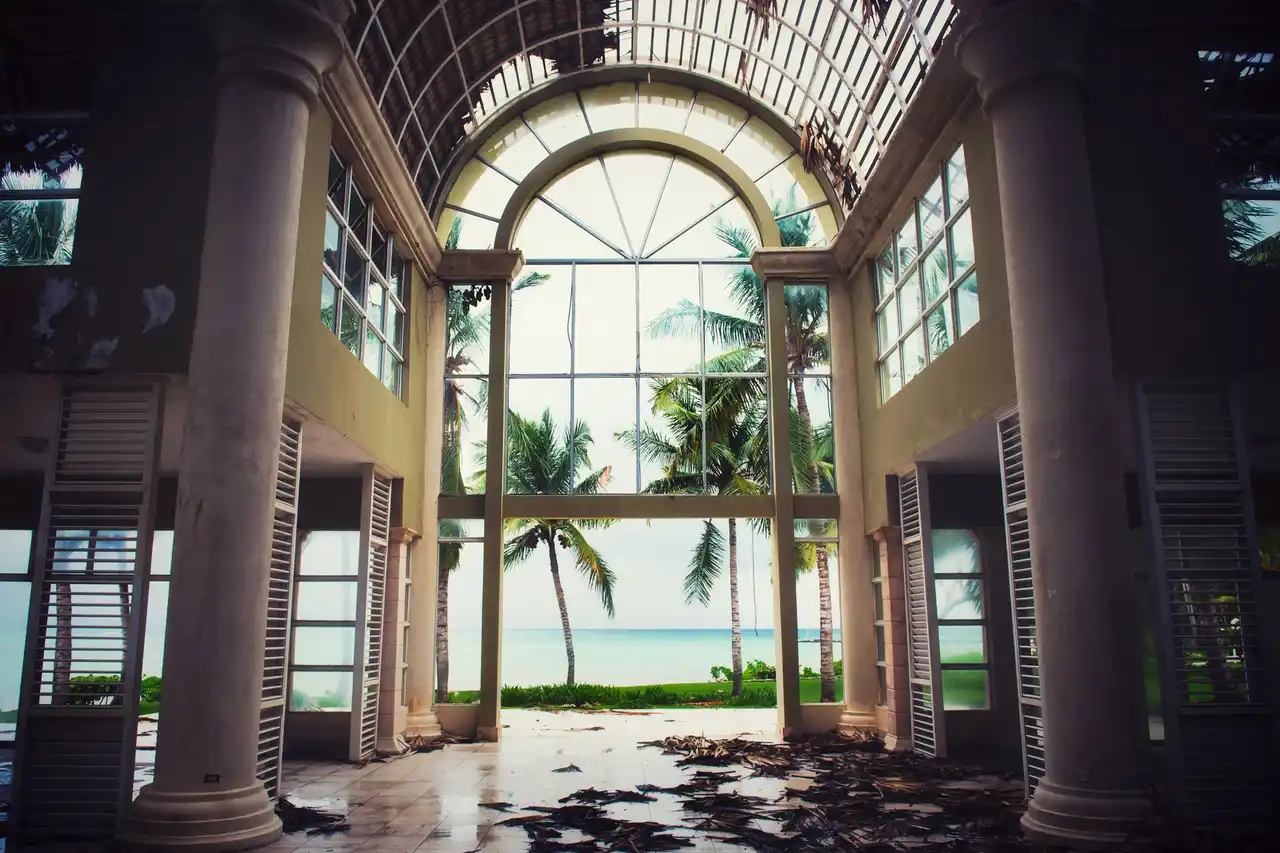
A chimney or wood stove flue that cracked during a January cold snap and pushed smoke into the attic.
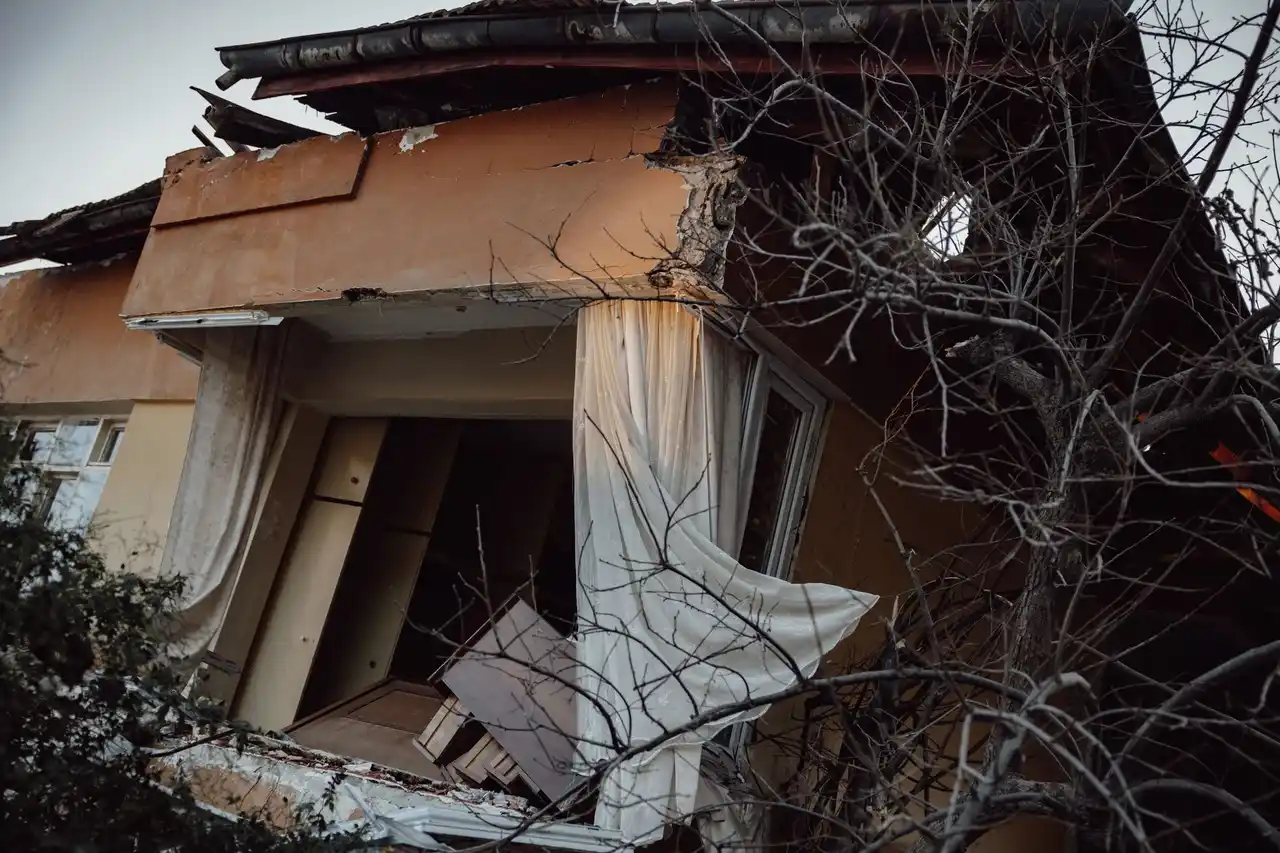
We inspect the attic with a boroscope and thermal camera, remove charred insulation, treat the framing with antimicrobial solution, and rebuild the affected roof deck and drywall. Board-up happens the same day if the roof opened up.
Outcome: Attic sealed and insulated, smoke odor neutralized, and the roof watertight before the next snow. Typical timeline is 2 to 4 weeks.
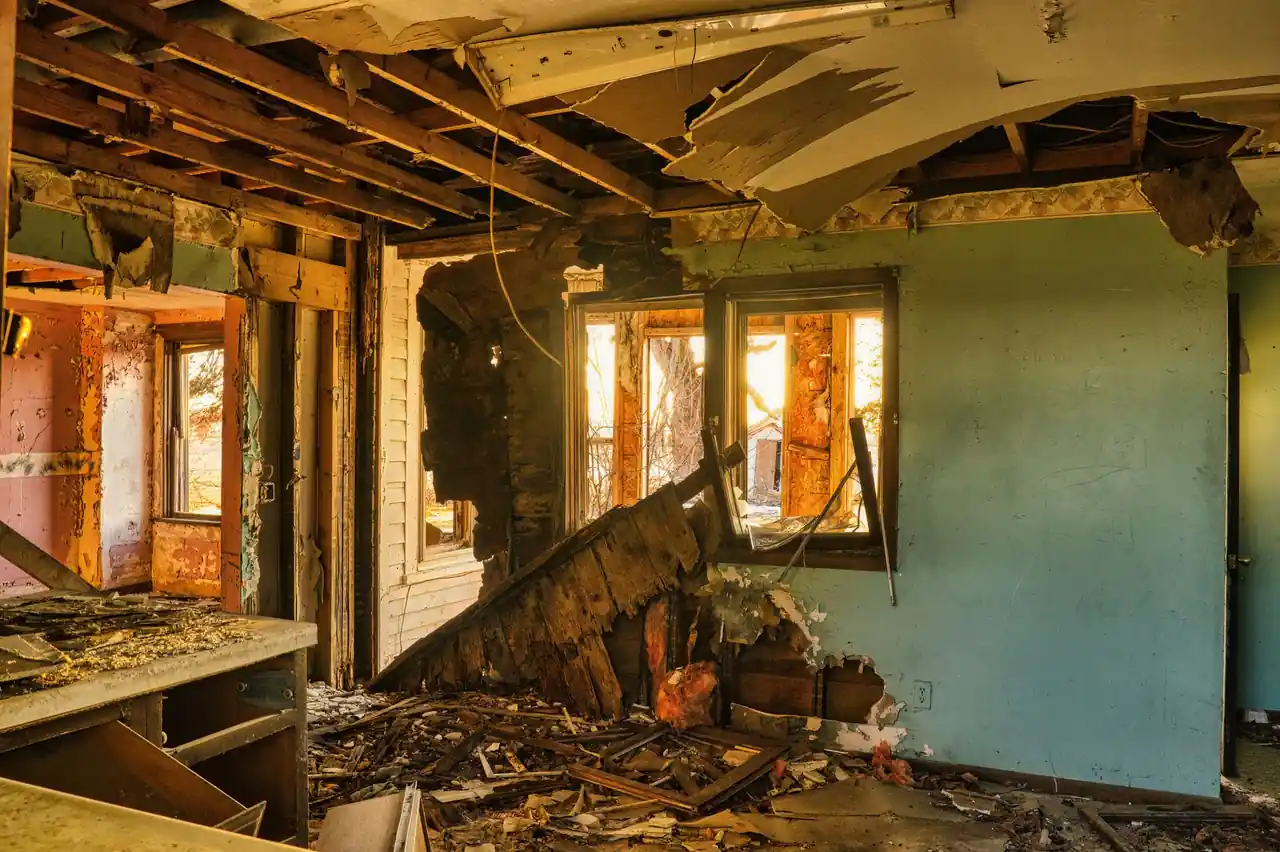
An electrical fire in an older Show low home with pre-1978 wiring and lead paint on the walls.
We follow EPA Lead-Safe practices during demolition, contain the work area with plastic, and dispose of painted materials properly. Soot cleaning, odor treatment and rebuild all happen under the same containment plan.
Outcome: Safe demolition, no lead dust spread through the house, and a rebuilt room that passes a final walk-through. Most jobs run 4 to 6 weeks.
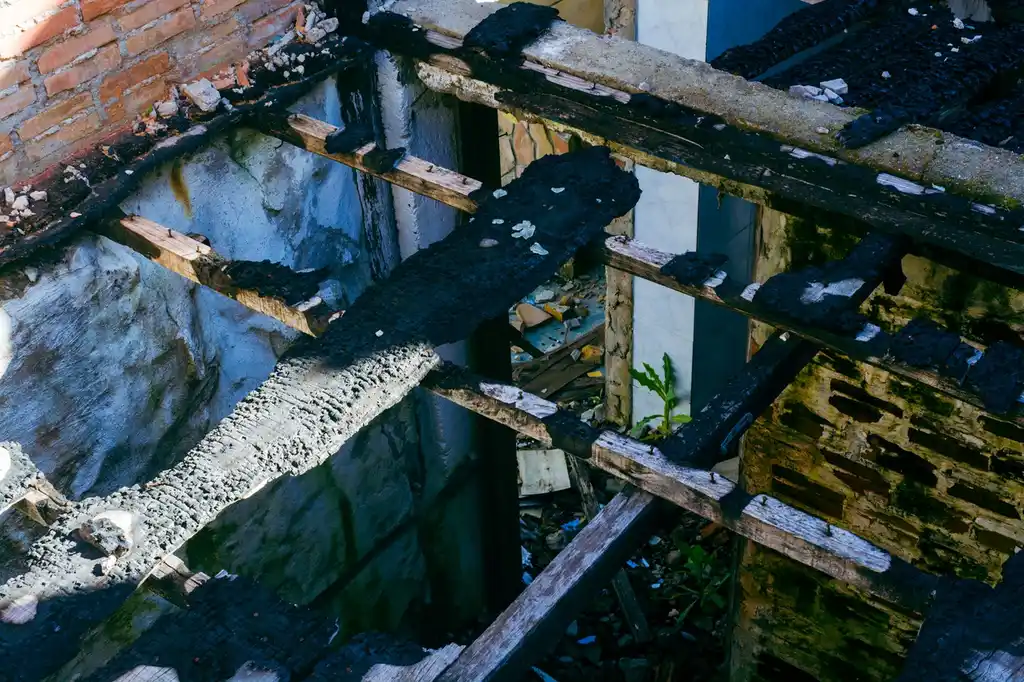
A garage fire that melted the electrical panel and smoked out the bedrooms above it.
We secure the garage opening, pull the burned shelving and drywall, and run ozone in the living space.
Outcome: Garage rebuilt, bedrooms deodorized, and the electrical system brought up to code. Most garage fires finish in 3 to 5 weeks.
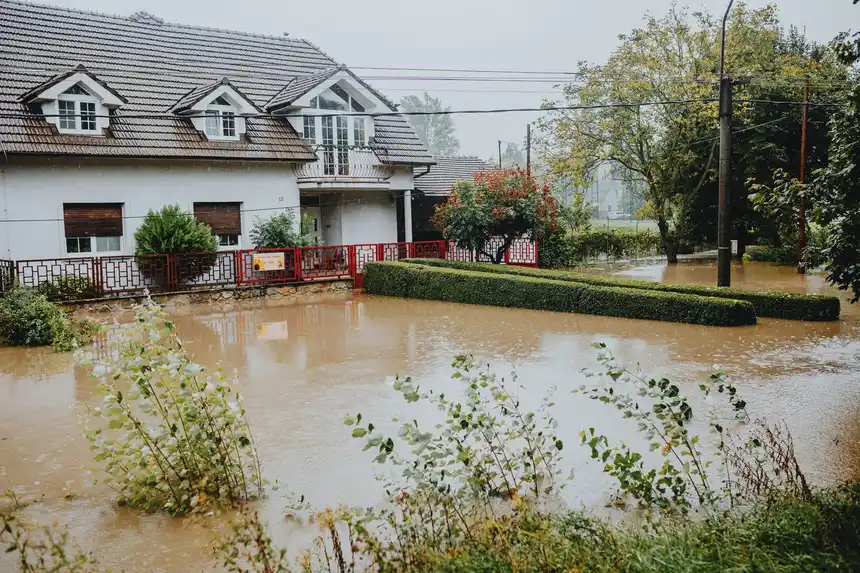
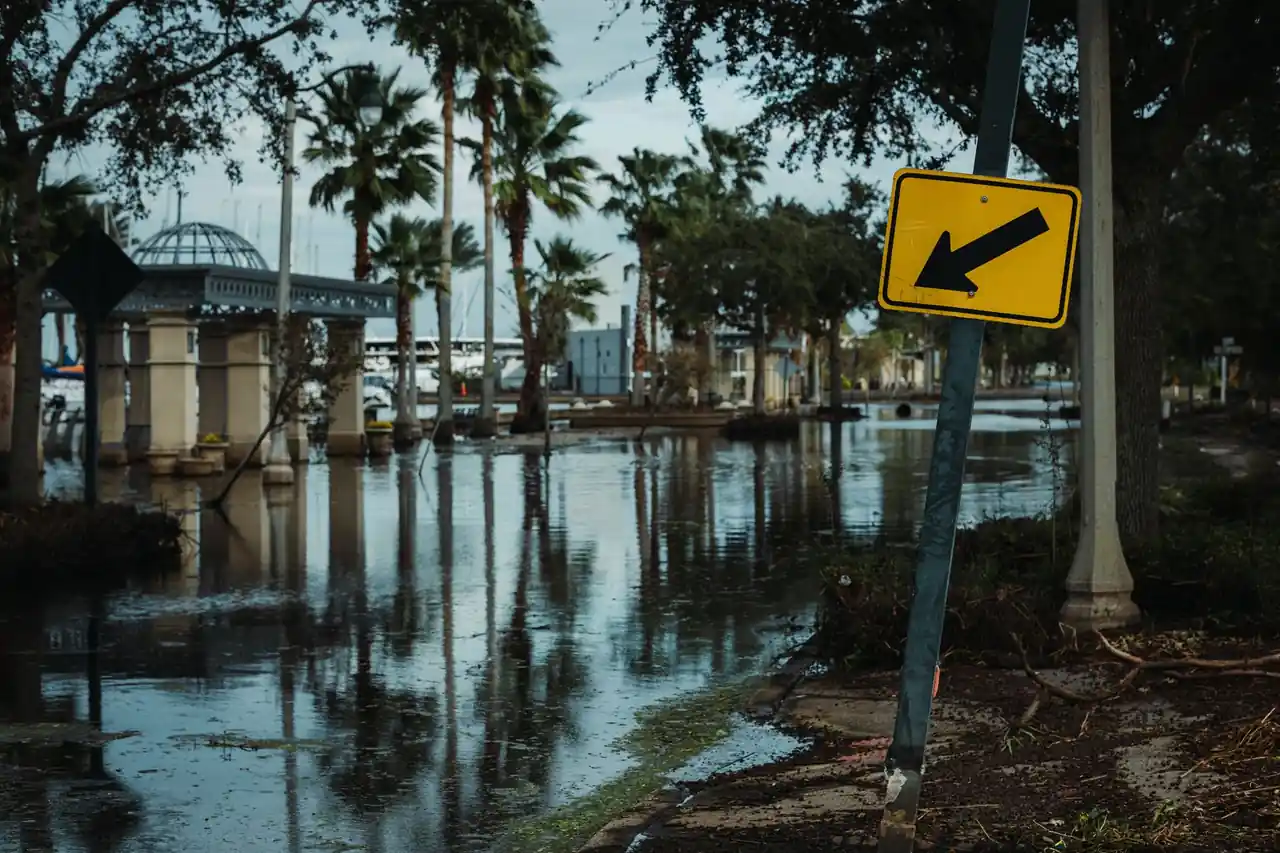
Show low sits at about 6,300 feet in Navajo County, and that elevation changes how fire losses play out. Winter nights drop below freezing, so water left in baseboards and subfloor after a fire can freeze before we arrive, which means we treat almost every winter job as a fire and water loss at the same time.
Summer monsoon storms push rain through roof openings within hours of a fire, so board-up and tarping happen on the first visit, not the second. The housing stock matters too: a lot of homes around Show low were built before 1978, so EPA Lead-Safe practices apply during demolition, and many have wood stoves or fireplaces that see heavy use from October through March.
If you are searching for emergency fire damage repair near me Show low, call and we will confirm coverage and dispatch a crew. We also handle board up and fire damage restoration Show low with insurance claims, meaning we photograph the loss, write the Xactimate scope, and talk to your adjuster directly so you are not stuck in the middle.
Before: A grease fire scorched the upper cabinets and sent sticky soot through the living room and two bedrooms. The homeowner had wiped some surfaces, which smeared the residue into the drywall. Suppression water had soaked the subfloor near the sink.
After: We pulled the charred cabinets and drywall, HEPA-vacuumed and wet-wiped every surface, ran ozone for two days, and dried the subfloor to a 12 percent moisture reading. New cabinets, drywall and paint went in. The job closed out in 4 weeks.
Keep a lid within reach on the stove, and have the range hood filter cleaned every 6 months. Check the subfloor near the sink once a year for soft spots.
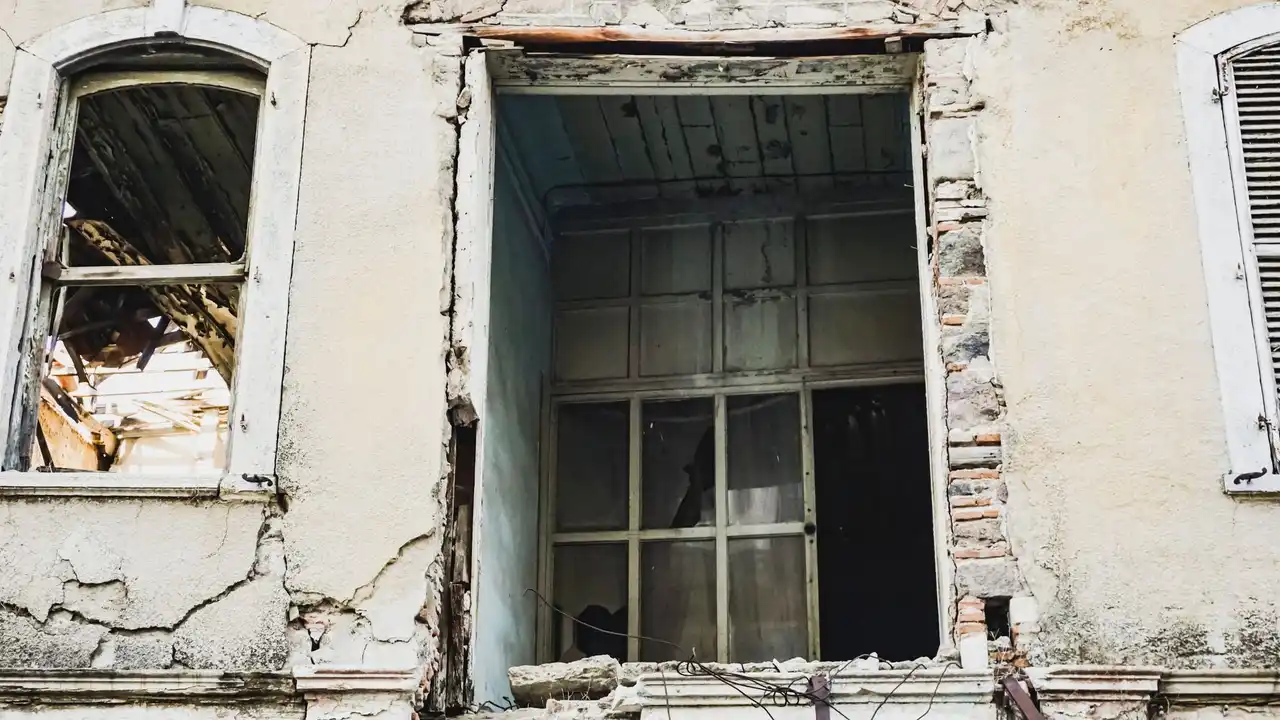
Before: A cracked flue pushed smoke into the attic of a rental property in January. Charred insulation sat against the roof deck, and overnight temperatures had frozen water from the suppression line inside the wall cavity.
After: We boarded the roof opening, removed charred insulation and drywall, treated the framing with antimicrobial solution, and ran Dri-Eaz dehumidifiers for 3 days. The roof deck and attic walls were rebuilt and the unit was back on the rental market in 5 weeks.
Have the chimney swept every fall before the first burn, and keep a moisture meter reading on the attic framing after any roof work.
Before: An electrical fire in the garage melted the panel and pushed smoke through the bedrooms above it. Soot coated the closet shelving and settled into the carpet padding. The home was built in 1974, so lead paint was present on the trim.
After: We contained the work area under EPA Lead-Safe practices, pulled the burned shelving and drywall, and ran ozone in the bedrooms. The job finished in 6 weeks.
Have the panel inspected every 5 years, and replace carpet padding in any room that has taken smoke. Keep a working smoke detector on every level of the home.
Fire damage rarely stays where the flames were. Soot travels through ductwork, smoke odor settles into insulation, and water from the hoses starts feeding mold within two days. Here is what we fix on a typical Show low fire loss.
A secured, dry, odor-free home ready for the rebuild.
We secure broken windows, doors and roof openings with plywood and tarps the same day we arrive, usually within 2 to 4 hours of your call. That stops rain, snow and trespassers from turning a fire loss into a water loss or a theft claim on top of everything else.
Surface wiping alone never kills smoke smell. We run ozone generators and thermal foggers after demolition, then seal every stud bay with an antimicrobial solution and vapor barrier. Homeowners in Show low who had a fire two winters ago still tell us the closets smell like new drywall.
We write our estimates in Xactimate, the same software most Arizona adjusters use, and photograph every affected room before and after. That means fewer back-and-forth emails, fewer denied line items, and a check that actually covers the rebuild instead of just the cleanup.
Drywall, insulation, baseboards, paint and flooring all get handled by the same crew that did the cleanup. You do not chase a separate general contractor, and you do not pay two mobilization fees. Most Show low rebuilds finish in 3 to 6 weeks after the cleanup is signed off.
What a written scope covers and what shapes it. Prices are set by the business after the first look.
Included
Depends on
Clear records you can keep and share.
Every room before and after
Daily readings until dry
Line-by-line cleanup and rebuild
Room-by-room sign-off
What burned decides how we clean it. Grease, wood and plastic smoke each leave a different residue.
Sticky residue from kitchen fires
Dry, powdery residue from stoves
Oily residue from electrical fires
A list like this tells people straight away whether you cover their street. Not listed? Call and ask: it only takes a minute.
The biggest cost drivers are how far smoke traveled, whether suppression water reached the subfloor, and how much drywall and insulation has to come out. We give you a written scope before any work starts.
Yes, most homeowner policies in Arizona cover fire damage repair, smoke cleanup, board-up and additional living expenses while your home is unlivable. We bill the carrier directly, write the estimate in Xactimate, and document every room with photos so the adjuster can approve the scope without a second visit. You typically pay only your deductible.
Board-up happens the same day. Debris removal and demolition usually take 1 to 3 days, cleaning and deodorizing 2 to 4 days, and drying another 2 to 4 days if suppression water got into the framing. Full rebuilds on a typical Show low home finish in 3 to 6 weeks, depending on material lead times and how fast the claim is approved.
Yes, but only if the source is removed first. Charred insulation, carpet padding and plywood subfloor hold smoke odor and have to come out. After that we HEPA-vacuum, wipe with antimicrobial solution, and run ozone generators or thermal foggers in the sealed rooms. Sealing stud bays with a vapor barrier locks in anything the framing absorbed.
Other services from the same team.
One call gets a crew rolling with plywood, tarps and drying gear. We board up, document the loss for your adjuster, and start cleanup the same day.
Call us any time, day or night, for water damage restoration in Show low. We answer the phone, ask what happened, and get a crew moving. If you prefer to write, send us the details and we will get back to you quickly.