For homes and rentals
Mold in a home usually traces to a leak you did not see. We find the source, remove the growth, and dry the structure so it does not return.
- Bathroom ceiling mold
- Crawlspace joist growth
- Mold after a burst pipe
Mold removal in Show low starts with finding the water, not just scrubbing the stain. We inspect with moisture meters and thermal imaging, contain the affected area, remove damaged drywall and insulation, then treat and dry the structure. If you have spotted black mold growth after a roof leak, burst pipe or flooded basement, call Dry Crew Pros at (555)123-45678.
 Moisture mappingContainment setupAir quality testing
Every job starts with a written scope, and the scope lists exactly what is covered. Standard mold removal includes inspection, containment, removal of affected materials, antimicrobial treatment, drying and a final moisture report. Repairs like new drywall, paint and flooring are quoted separately so you can see the cost of each phase.
We use a moisture meter, thermal imaging camera and boroscope to find the source and map how far the moisture has traveled. You get photos and readings for every affected area, not just the spot you can see.
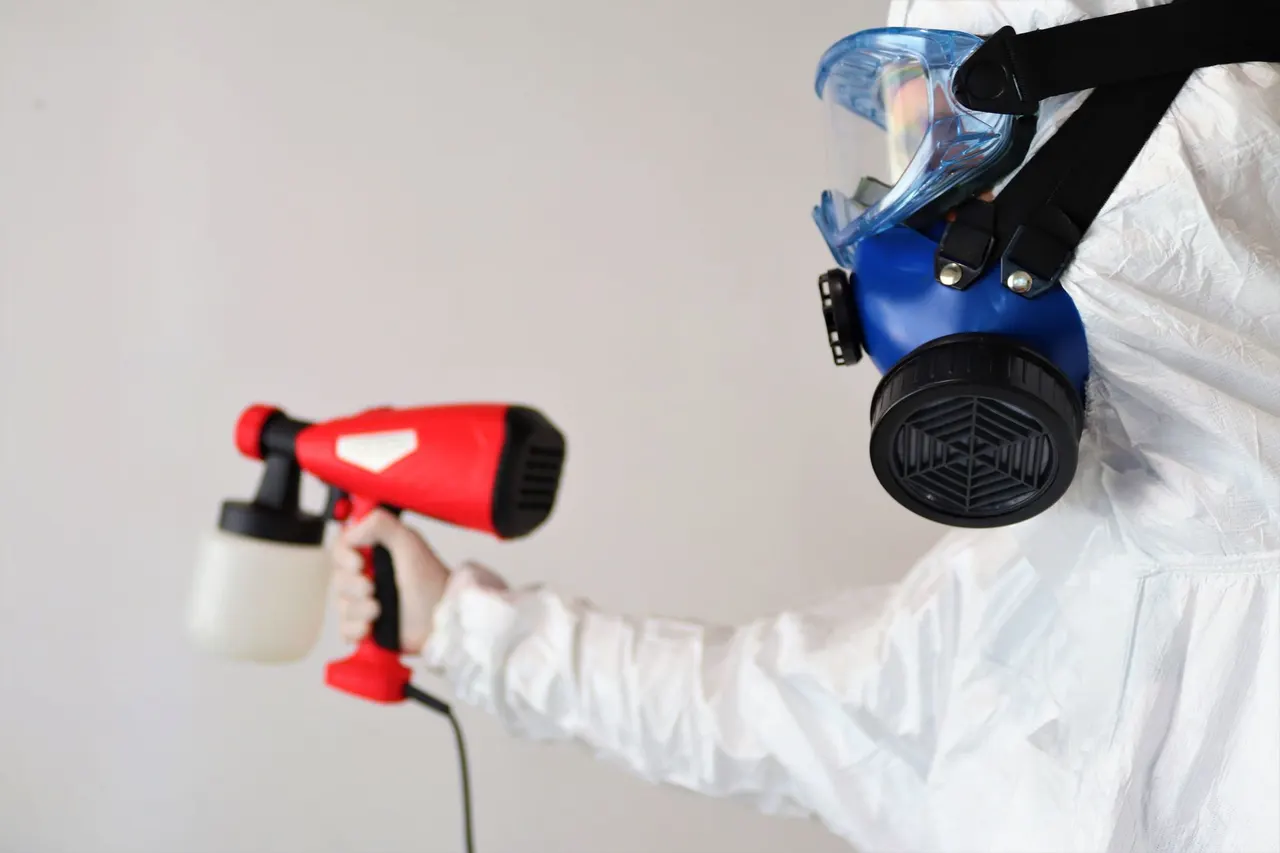
6-mil poly barriers and negative air pressure keep spores out of clean rooms. We protect flooring and furniture, and seal HVAC vents in the work zone so the rest of the house stays unaffected during removal.
Mold-damaged drywall, insulation, carpet padding, baseboards and plywood subfloor come out and get bagged. We cut 12 inches past visible growth to make sure we are not leaving active colony behind the new wall.
Exposed framing and any salvageable hard surfaces get wire-brushed, HEPA-vacuumed and treated with an antimicrobial solution. This is the step that stops regrowth on the materials that stay in place.
Air movers and dehumidifiers run until a hygrometer confirms the structure is dry, usually 2 to 4 days. You get a daily log showing moisture content for each material from start to finish.
Results come back in writing, so you know the job is actually complete.
The approach is the same for a home and a business. What changes is the access, the schedule and who needs the paperwork.
Mold in a home usually traces to a leak you did not see. We find the source, remove the growth, and dry the structure so it does not return.
Mold in a commercial space disrupts tenants and inspections. We contain the work zone, document every step, and keep the rest of the building open.
A plain-language look at what Mold Removal involves and when it is needed.
See how it worksMold removal in Show low is the process of locating hidden moisture, containing the affected area, physically removing mold-damaged materials, and drying the structure so growth does not return. We start with a moisture meter and thermal imaging camera to map wet drywall, baseboards and plywood subfloor. Anything porous that has been wet more than 48 hours gets cut out and bagged. Then we apply an antimicrobial solution, run air movers and dehumidifiers, and verify with a hygrometer that the cavity is dry before we close it up.
In Show low, most calls come from a roof leak after monsoon storms, a burst pipe in a cold snap, or a slow slab leak that soaked a hallway wall for weeks. Because Navajo County sits above 6,000 feet, homes here dry out fast on the surface but stay wet inside wall cavities. That is why a mold inspection and remediation near Show low should always include air quality testing, not just a visual look. If you need mold removal in Show low near me, we can usually be on site the same day.
Mold is a moisture problem first and a cleanup problem second.

Every job follows the same five steps, whether it is a 40-square-foot bathroom corner or a full crawlspace. You get a written scope before we start and a dry-down log when we finish.
We walk the house with a moisture meter, thermal imaging camera and boroscope to find the source and map how far the moisture has traveled. Air samples go to a lab when black mold is suspected. This visit takes 45 to 90 minutes, and you get a written scope with photos the same day.

We seal doorways and vents with 6-mil poly and set up negative air pressure so spores cannot drift into clean rooms. Furniture gets moved or covered, and flooring is protected. Setup usually takes 30 to 60 minutes depending on how many rooms are affected.

Damaged drywall, insulation, carpet padding and baseboards come out and get bagged for disposal. Exposed framing is wire-brushed, HEPA-vacuumed, then treated with an antimicrobial solution. A typical bathroom or hallway takes one day; a crawlspace can run two.
Air movers and dehumidifiers run until the structure reads dry on a hygrometer, usually 2 to 4 days. We check readings daily and adjust equipment as needed. You get a log showing the moisture content of each affected material from day one to the final reading.
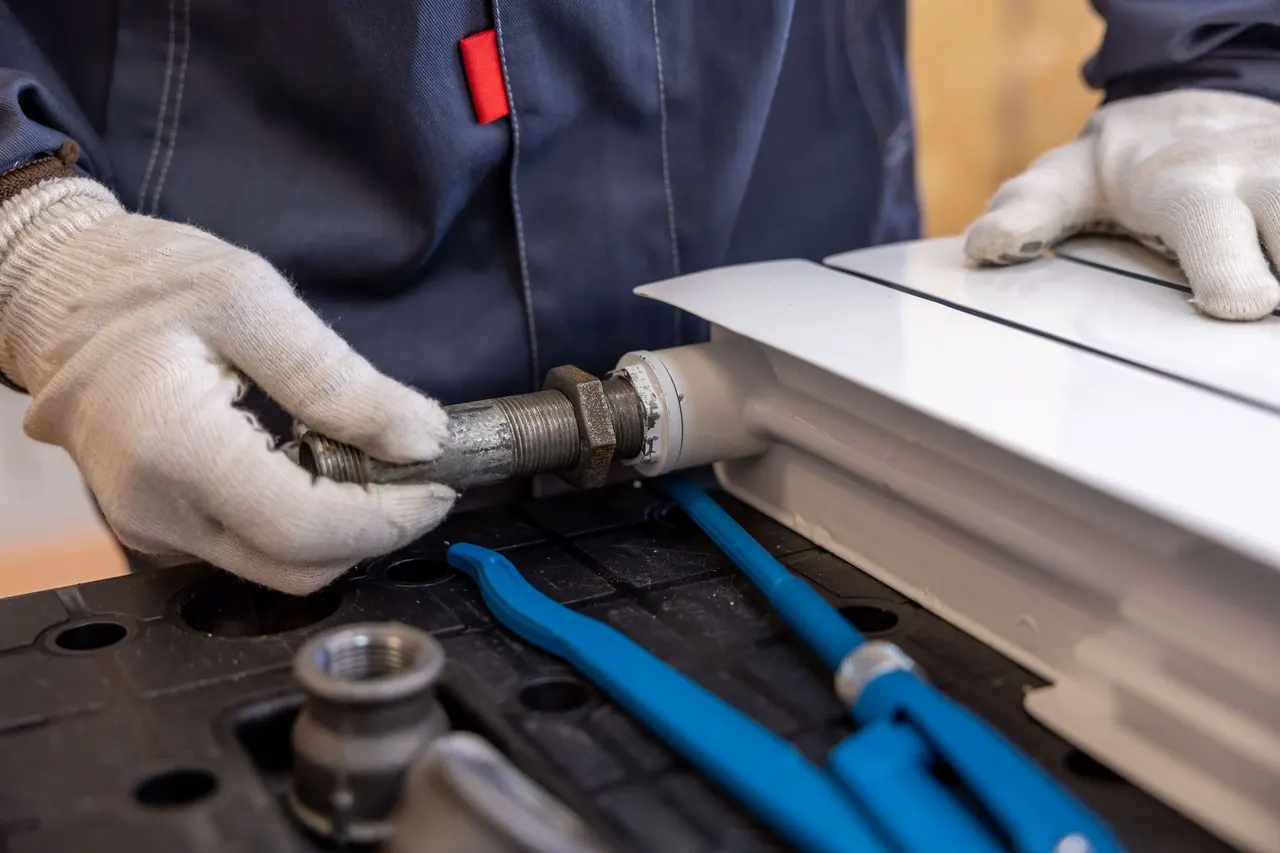
Once the cavity is dry and verified, we replace drywall, insulation, baseboards and any flooring that came out. We also fix the source, whether that is a roof leak, burst pipe or failed vapor barrier, so the same spot does not get wet again. Final walkthrough takes about 30 minutes.
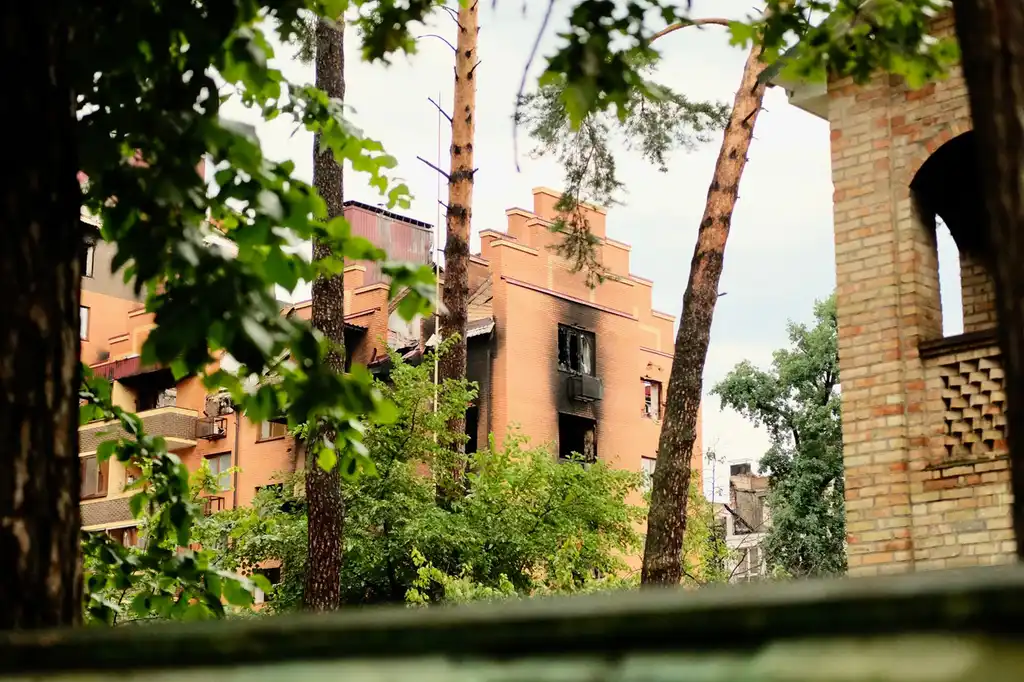
Move across a circle, or focus it and press Enter, for an illustrative thermal view of the photograph.

Pin and pinless meters map moisture in drywall, framing and subfloor. The hygrometer tracks relative humidity in the work zone so we know when drying is actually complete.
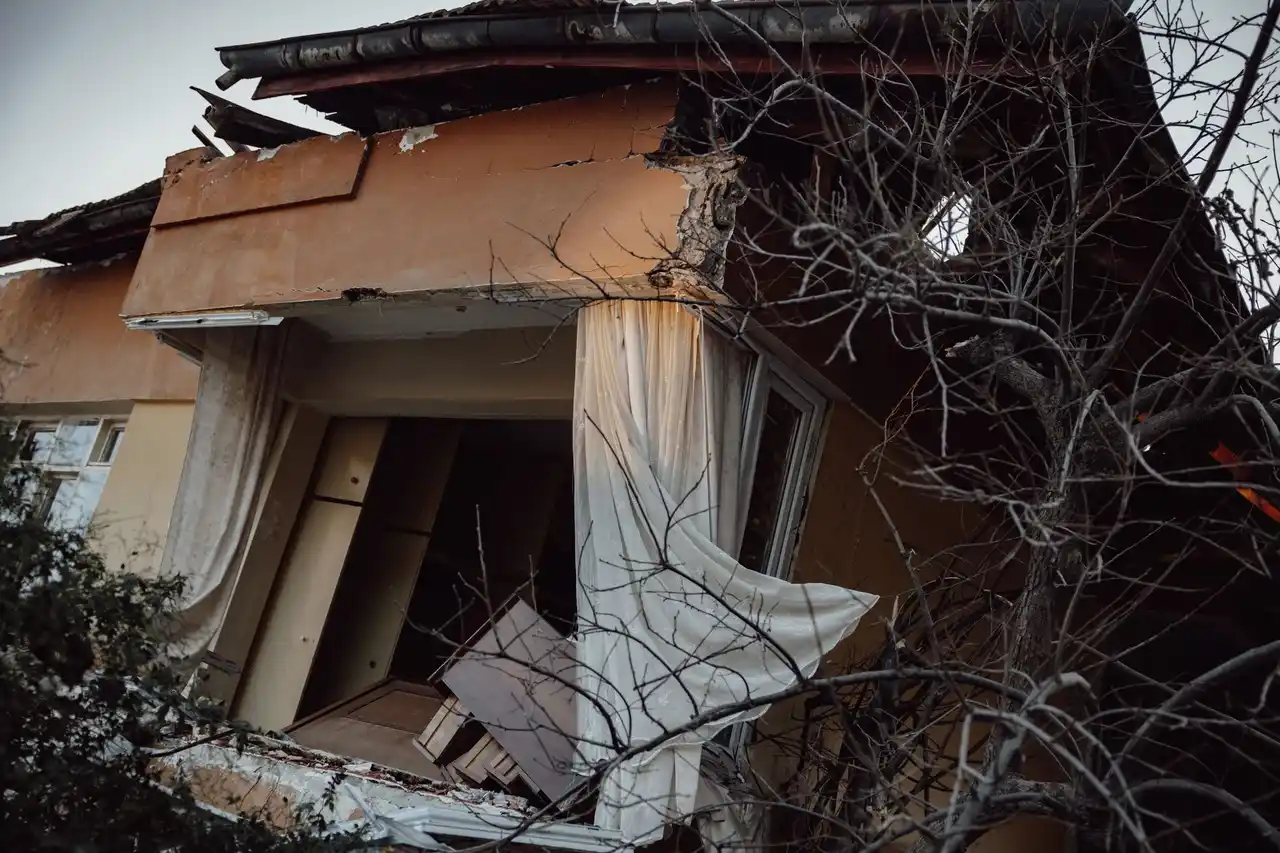
Shows temperature differences behind walls and under floors, which reveals hidden moisture without tearing everything open. It is how we find the leak source before demolition starts.
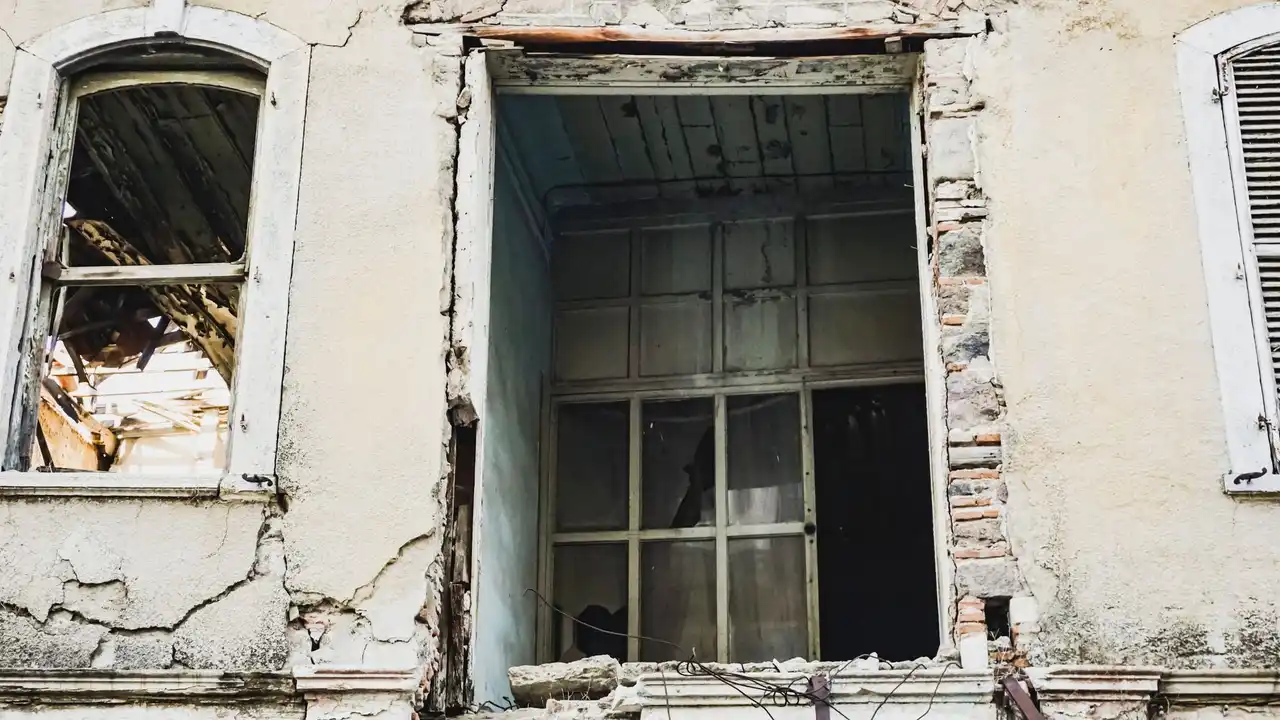
A flexible camera that goes inside wall cavities, crawlspaces and ductwork. We use it to confirm mold growth in areas you cannot see from the outside.
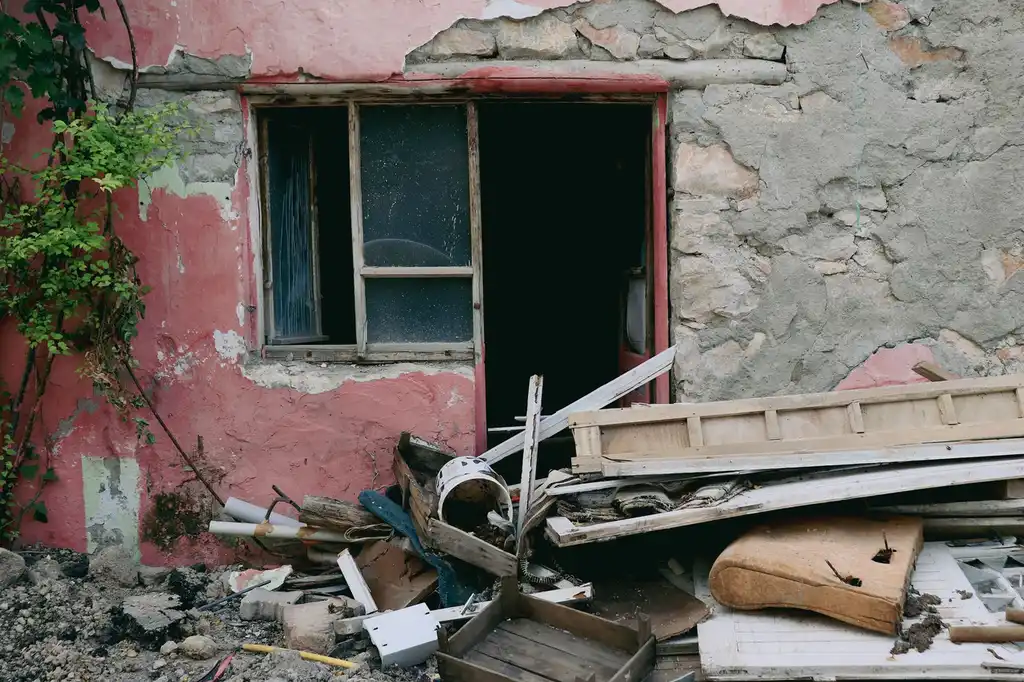
Commercial-grade drying equipment that pulls moisture out of framing and subfloor fast. We size the equipment to the cubic footage of the affected area, not a one-size-fits-all count.
HEPA vacuums capture spores during removal instead of spreading them. The ozone generator treats odors and residual microbial growth in the contained space after removal is complete.
Thermal views are illustrative, generated from the photographs.
Cut-out saws, reciprocating saws and drills used for controlled demolition of drywall, baseboards and subfloor. Cordless tools let us work in crawlspaces and attics without running power.
The industry standard for assessing and remediating mold. It guides how we contain, remove, clean and verify, including when to use negative air pressure and how to handle porous versus non-porous materials.
The standard for structural drying that tells us how many air movers and dehumidifiers a space needs and when the structure is actually dry. Following it is what keeps mold from returning after the job is done.
6-mil poly barriers plus a HEPA air scrubber create negative pressure in the work zone so spores cannot drift into clean rooms. This is standard on every job, even small bathroom removals.
After removal, exposed framing is wire-brushed, HEPA-vacuumed and treated with an antimicrobial solution. This is the step that protects the materials that stay in place.
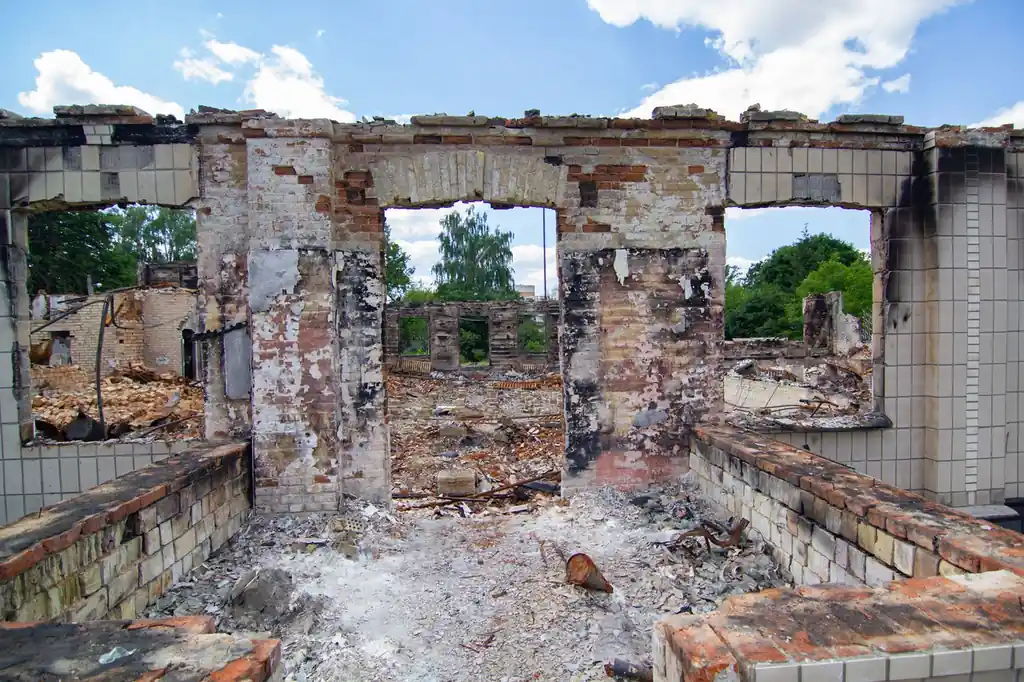
A roof leak during monsoon season soaked the ceiling and attic insulation in a Show low home.
We inspect the attic and ceiling cavity with a boroscope, remove saturated insulation and drywall, treat the framing, and dry the structure with air movers and a dehumidifier. We also check the roof deck for ongoing leaks.
Outcome: The ceiling cavity reads dry in 3 days, the air test comes back clean, and the ceiling is rebuilt with new drywall and insulation.
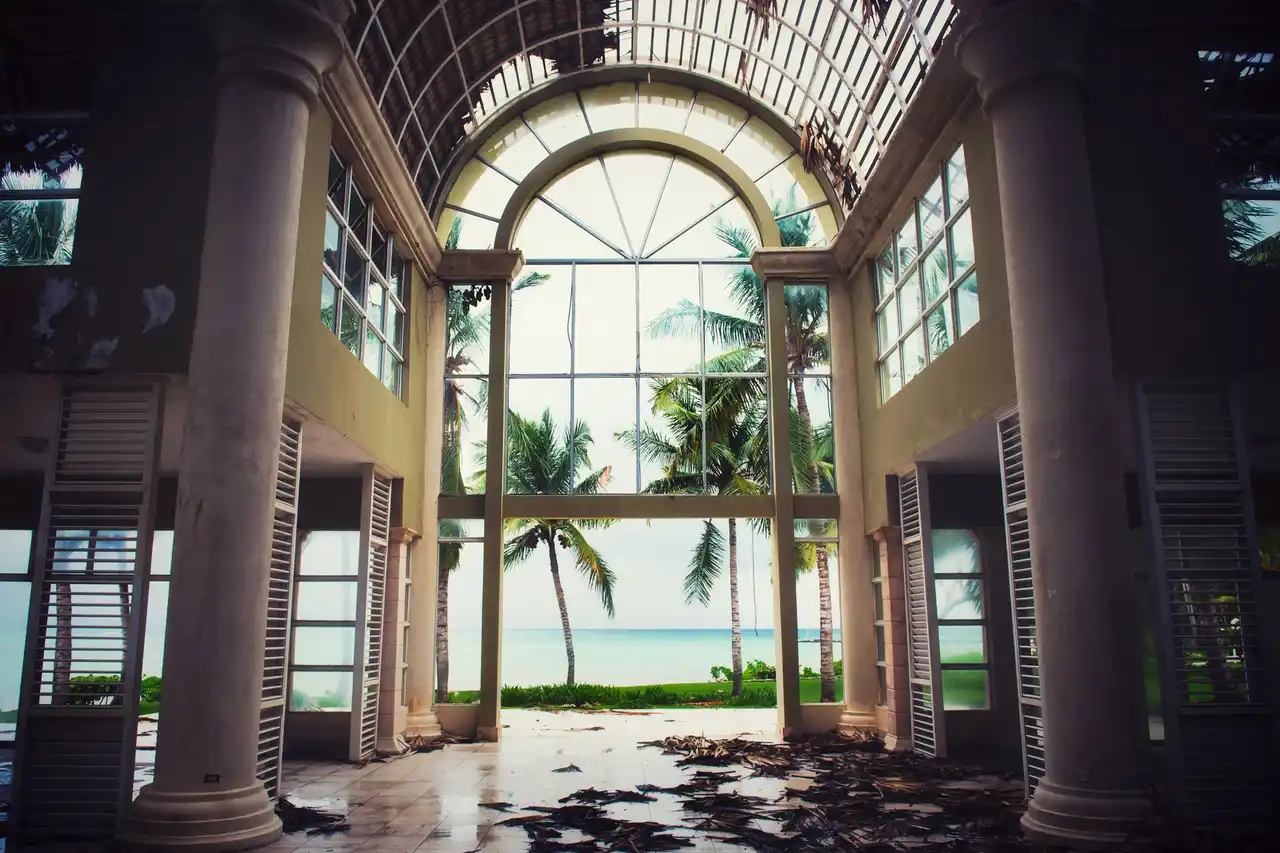
A slow supply-line leak under a bathroom sink kept the cabinet base wet for weeks before anyone noticed.
We pull the cabinet, remove the swollen base and wet drywall behind it, treat the framing with an antimicrobial solution, and dry the wall cavity. The supply line gets repaired at the same time.
Outcome: The musty smell is gone, the cabinet base is replaced, and the wall reads dry on the final moisture log.
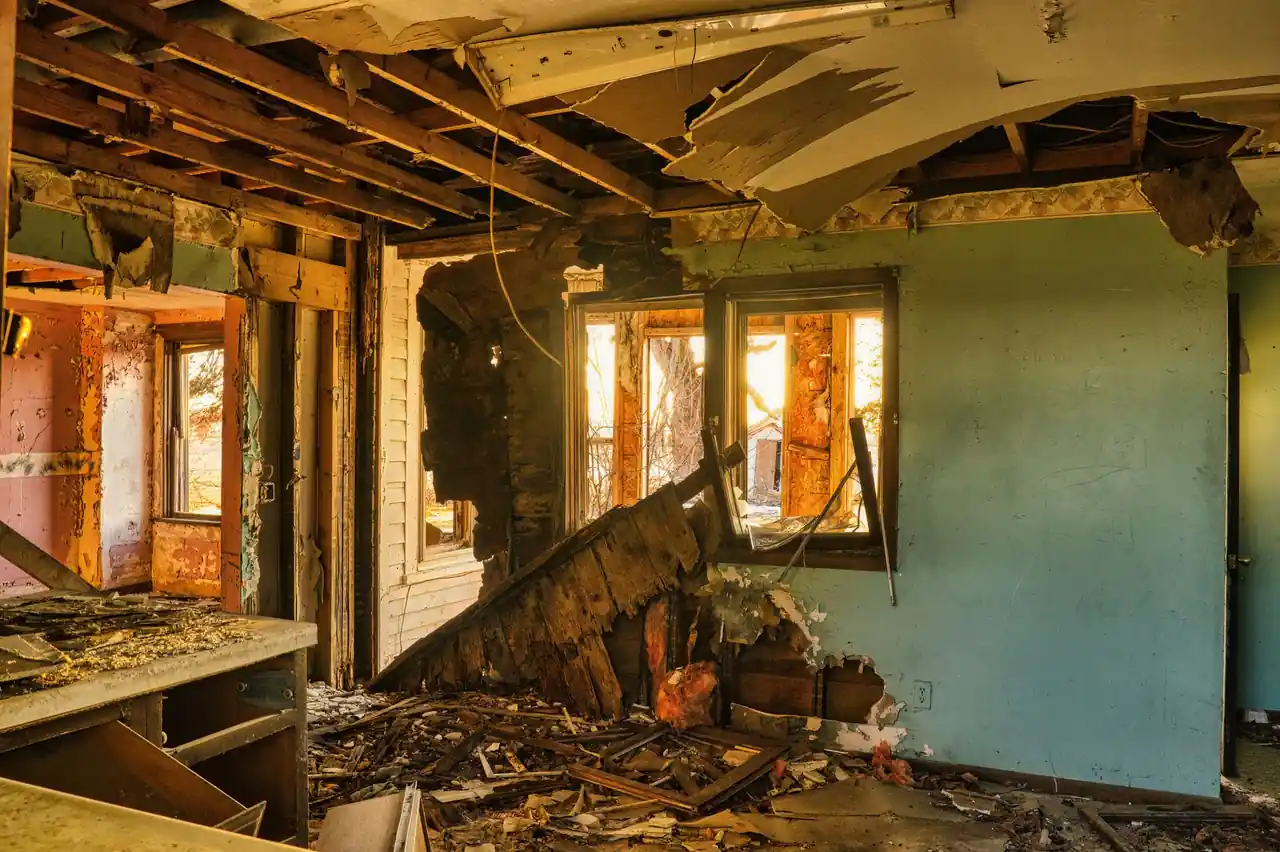
A crawlspace in Lakeside has been damp since last winter, with visible mold on the floor joists.
We suit up, set containment at the crawlspace access, remove saturated insulation, wire-brush and treat the joists, and run a dehumidifier until the space reads dry. We also inspect the vapor barrier.
Outcome: Joists read dry in 4 days, the musty smell in the house fades, and the vapor barrier is repaired to keep ground moisture out.
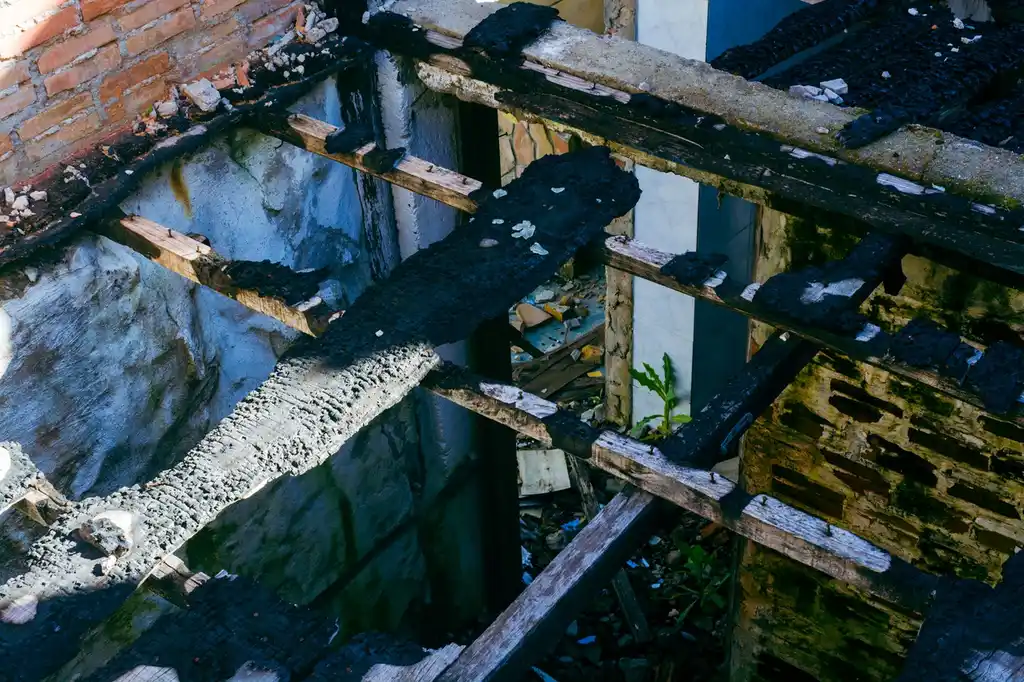
A burst pipe in a Snowflake rental flooded a bathroom and part of the hallway during a cold snap.
We extract standing water, remove wet baseboards and drywall, contain the work area, and dry the structure. Mold that had started behind the baseboards is removed and the framing is treated.
Outcome: The unit is dry and mold-free in 9 days, with a full photo log and moisture report for the insurance claim.
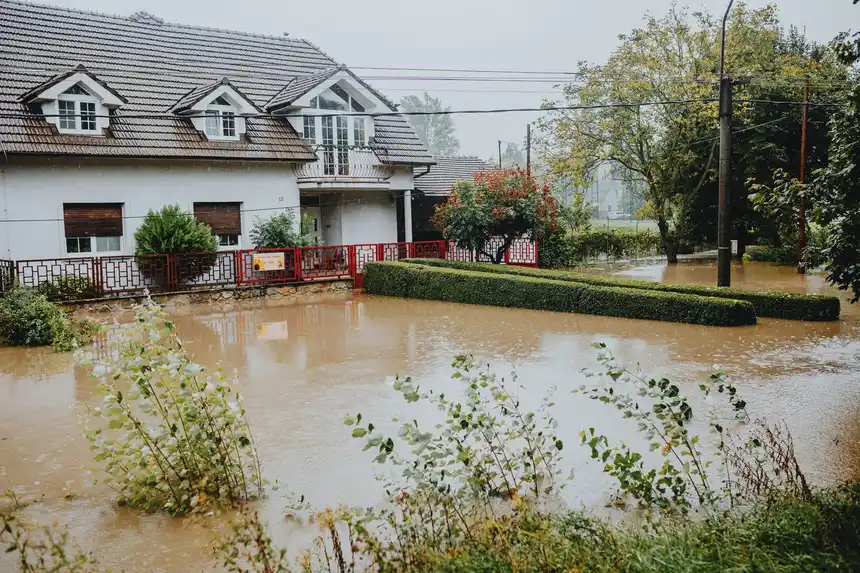
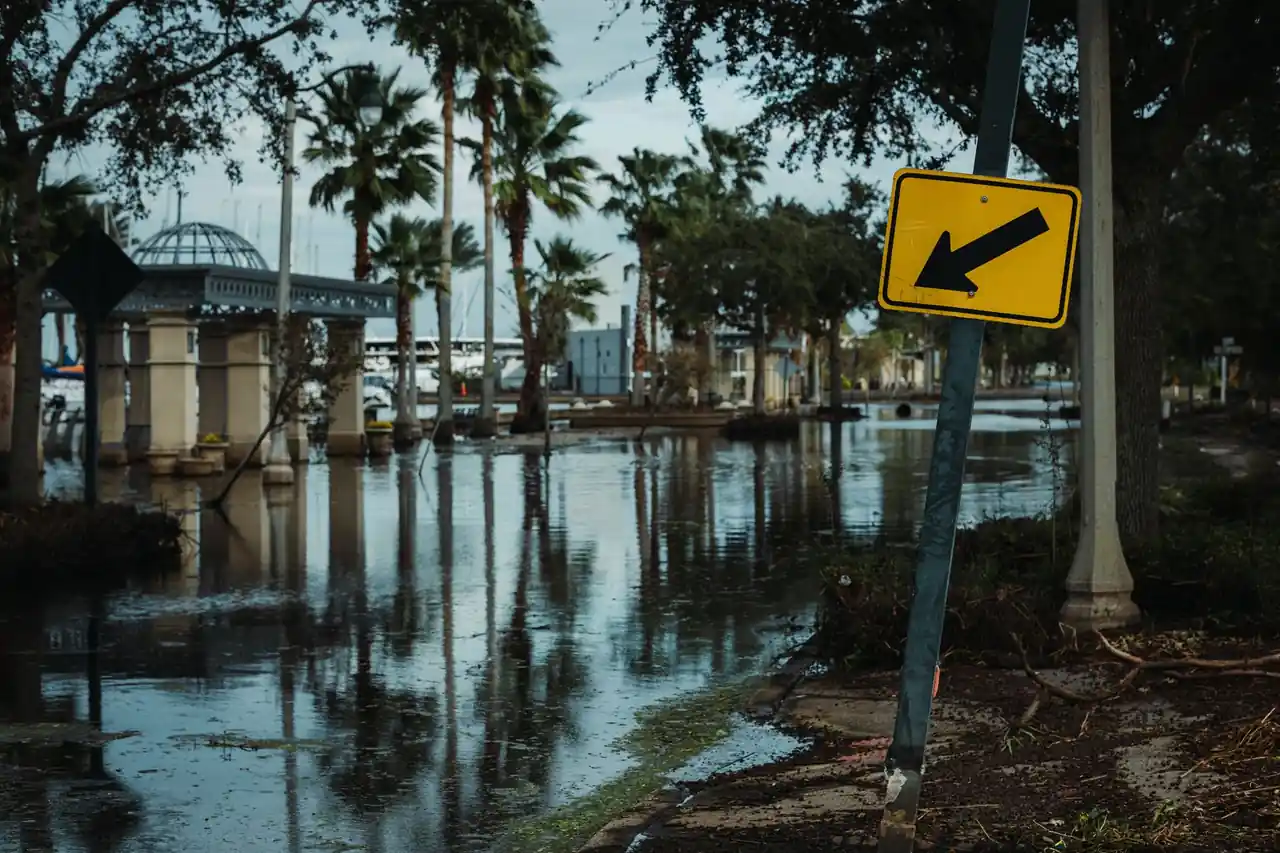
Show low sits at about 6,400 feet in Navajo County, and that altitude changes how mold behaves. Summer monsoon storms drive water into roof decks and attic insulation, while winter cold snaps burst supply lines in unheated crawlspaces. The dry air on the surface makes walls feel dry while the cavity behind them stays wet for weeks.
That is why we always verify with a hygrometer and thermal imaging camera instead of trusting a hand test. Homes here range from 1970s cabins with minimal vapor barrier to newer tight-envelope builds, and each one dries differently. If you are searching for black mold remediation Show low open now, we can usually be on site the same day and have containment up within an hour of arrival.
We also handle mold removal after water damage in Show low, whether the source was a roof leak, burst pipe or appliance overflow.
Before: A roof leak during a July monsoon soaked the bathroom ceiling and attic insulation. Black mold growth covered about 15 square feet of drywall, and the musty smell had spread into the adjacent bedroom.
After: We removed the affected drywall and insulation, treated the framing with an antimicrobial solution, and dried the cavity for 3 days. The air test came back clean, and the ceiling was rebuilt with new drywall and insulation.
Check the roof flashing each spring before monsoon season and keep the bathroom exhaust fan running for 15 minutes after every shower. Both habits keep that ceiling dry.
Before: A Lakeside crawlspace had been damp since last winter. Visible mold covered roughly 40 percent of the floor joists, and the musty smell was noticeable in the living room above.
After: We removed saturated insulation, wire-brushed and treated the joists, and ran a dehumidifier for 4 days. Final readings showed the joists dry, and the smell in the house was gone.
Keep the crawlspace vents clear and check the vapor barrier every fall. If the ground under the house stays damp, a new vapor barrier is the cheapest fix.
Before: A burst pipe during a January cold snap flooded a hallway and part of a bathroom in a Snowflake rental. Water sat for two days before the tenant called, and mold had started behind the baseboards.
After: We extracted the water, removed wet baseboards and drywall, contained the area, and dried the structure for 3 days. Mold was removed, framing was treated, and the unit was back to rentable in 9 days.
Insulate exterior supply lines and keep the heat at 55 degrees or higher during cold snaps.
Most mold calls come down to one of a handful of moisture sources. Here are the ones we see most often in the White Mountains, and how we handle each one.
A dry, verified structure and a written record of the work.
Spores from black mold growth circulate through your HVAC and land in bedrooms. We contain the work area with 6-mil poly and negative air pressure, then run an ozone generator and HEPA scrubbers so the rest of the house stays clean. Most customers notice the musty smell is gone within 24 hours of the final dry-down.
Mold on drywall can spread a foot a day in a damp cavity. We cut 12 inches past the visible growth, remove saturated insulation, and treat framing with an antimicrobial solution. That stops the colony from creeping into the next room and saves you from a much larger rebuild later.
A buyer's inspector will find old mold staining, and a lender will ask for proof it was handled. We document every step with photos, moisture readings and a written scope, so you have a paper trail when you sell. That record is often the difference between a clean closing and a price cut.
Small bathroom or basement jobs are the ones people put off longest, and they are also the cheapest to fix early. A contained 10x10 area with no structural damage is a one-day job. Wait a season and the same leak can wick into a plywood subfloor, which turns a simple cleanup into a flooring replacement.
What a written scope covers and what shapes it. Prices are set by the business after the first look.
Included
Depends on
Clear records you can keep and share.
Before, during and after images of the work.
Daily readings for each affected material.
Written list of what was removed and treated.
Lab results when air testing is performed.
Mold needs moisture, a food source and time. Remove any one of the three and growth stops.
Growth on visible surfaces like drywall or tile.
Growth inside wall cavities or crawlspaces.
Growth that has reached framing or subfloor.
A list like this tells people straight away whether you cover their street. Not listed? Call and ask: it only takes a minute.
A bathroom corner with limited drywall removal sits at the low end. A crawlspace, attic or multi-room job with flooring replacement sits at the high end. We give you a written scope before work starts, so the number you see is the number you pay.
Black mold produces mycotoxins and spores that can trigger coughing, headaches and allergy symptoms, especially in kids, older adults and anyone with asthma. It is not usually life-threatening, but it should not be left alone. In Show low, the bigger risk is that the same moisture feeding the mold is also rotting framing and subfloor. We remove the growth, fix the water source, and verify with air testing.
Most policies cover mold remediation when it traces back to a covered event like a burst pipe, appliance overflow or storm water intrusion. Long-term neglect or a slow slab leak is often excluded. We document the source, photograph the damage, and provide a scope formatted for adjusters.
A contained bathroom or hallway job takes 1 to 2 days for removal and 2 to 4 days for drying, so about a week total. A crawlspace or attic job runs 3 to 5 days of work plus drying time. Full-house jobs after a flood can take 2 to 3 weeks. We give you a day-by-day schedule in the written scope so you know when each phase wraps.
Other services from the same team.
Mold doubles in size fast when the moisture source is still active. Call Dry Crew Pros at (555)123-45678 and we will inspect, test and give you a written scope the same day. 26 years in Navajo County, and we stand behind the dry-down.
Call us any time, day or night, for water damage restoration in Show low. We answer the phone, ask what happened, and get a crew moving. If you prefer to write, send us the details and we will get back to you quickly.